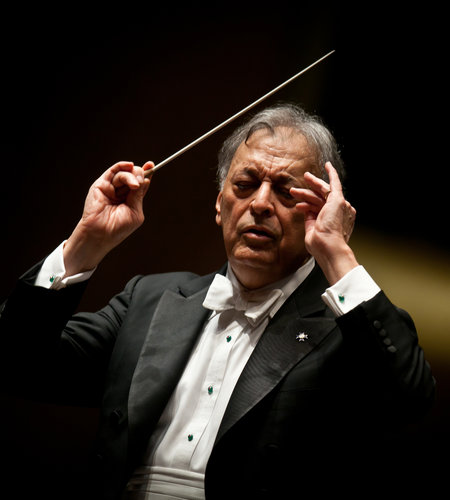
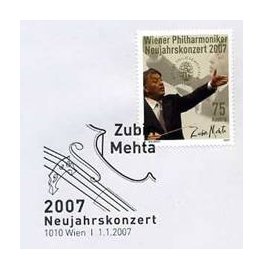
| Zubin Mehta is one of the world`s
leading conductors. He is a vivid symbol of today`s cross-cultural world
and a living proof of the power of music to bridge different cultures and
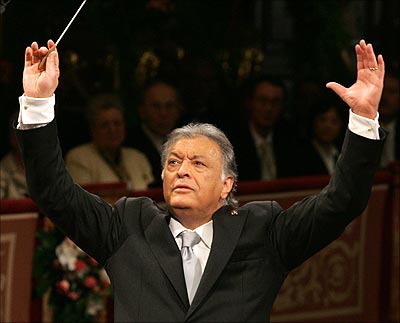
to break social and political barriers. His tremendous sense of social responsibility has taken his music from India to Buchenwald - from Sarajevo to the Palestinian territories. He has sought to develop the universal appeal of music and through it to bring peace and comfort to all areas of the world. His contribution to today`s music world is so valuable, that it can be said that he is one of its main "designers". Not only was he music director of some of the world`s leading orchestras/opera houses, encompassing three continents (New York, Los Angeles, Montreal, Munich, Florence, Israel) and 50 years of constant, highly intensive activity; but most probably he is the music director, who has given more opportunities for young artists (soloists, conductors, composers) in debut performances, than any other figure of his stature. Mehta was born in Bombay, India, into a Parsee family in April 1936, the son of Mehli Mehta who founded the Bombay Symphony Orchestra and who was a violinist and his wife Tehmina Mehta. At the age of 18 Zubin Mehta moved to Vienna to study conducting with the eminent teacher Hans Swarovsky. At the age of 22, four years after his arrival in Vienna he made his conducting debut and the same year he won the International Conducting Competition in Liverpool and shortly thereafter the Koussevitsky competition in Tanglewood. Zubin's early success led him to be appointed assistant conductor and then Music Director of the Royal Liverpool Philharmonic. Still only in his twenties, he had already conducted the Vienna Philharmonic and the Berlin Philharmonic - two of the greatest orchestras in the world. The Israel Philharmonic Orchestra appointed Mr. Mehta Music Advisor in 1969, Music Director in 1977, and Music Director for Life in 1981. Since 1986, he has also acted as Music Advisor and Chief Conductor of the Maggio Musicale Fiorentino, the summer festival in Florence, Italy For more information about Zubin Mehta, visit his official website. |
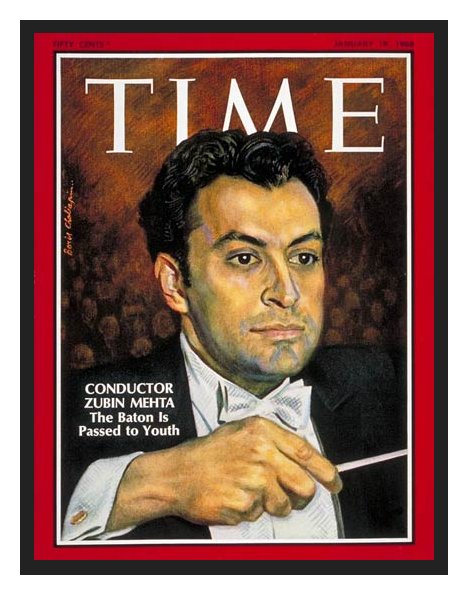 ZM: Yes, but those are not the singers I meant.
It shouldn’t sound that derogatory because we have singers of such fine quality
today. I’m talking about from the musical standpoint, because there
have been always great voices. There’s never been a generation without
great voices.
ZM: Yes, but those are not the singers I meant.
It shouldn’t sound that derogatory because we have singers of such fine quality
today. I’m talking about from the musical standpoint, because there
have been always great voices. There’s never been a generation without
great voices.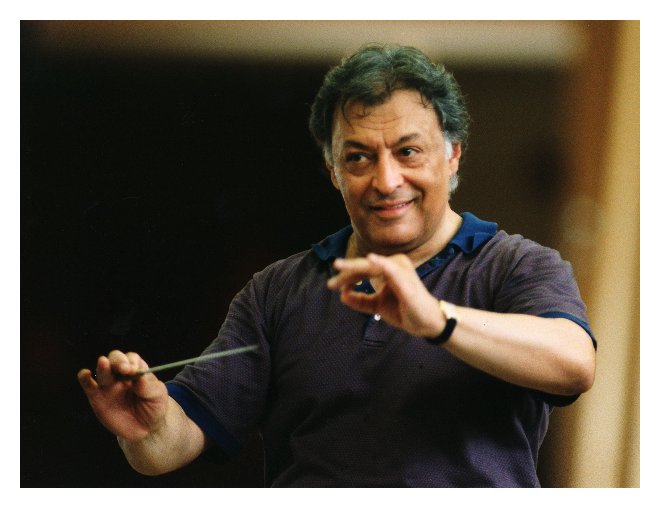 ZM: All the technical work is done, of course, at
rehearsal. All the construction is done; it’s my obligation.
With soloists it’s different, but with a string section, if they don’t feel
the phrase where it starts, where it has its high point, we have to point
that out. All that has to be done in the rehearsal. The question
of tension arises at the concert, which I purposely don’t do at rehearsals.
You can’t give all the punch lines out. In the rehearsal I sit down
and quietly go through high points. I let it build up, and a lot of
the intimate high points have to be really rehearsed, of course. You
can’t just do that only at the concert. But with an orchestra like
the Israel Philharmonic, that I am so at home with, we hardly work at development
sections of classical symphonies. We let that blossom at the concert.
Of course, it is taken for granted that they knew the notes and it’s perfectly
in tune and rhythmically accurate, all that. So with me a lot happens
at the concert.
ZM: All the technical work is done, of course, at
rehearsal. All the construction is done; it’s my obligation.
With soloists it’s different, but with a string section, if they don’t feel
the phrase where it starts, where it has its high point, we have to point
that out. All that has to be done in the rehearsal. The question
of tension arises at the concert, which I purposely don’t do at rehearsals.
You can’t give all the punch lines out. In the rehearsal I sit down
and quietly go through high points. I let it build up, and a lot of
the intimate high points have to be really rehearsed, of course. You
can’t just do that only at the concert. But with an orchestra like
the Israel Philharmonic, that I am so at home with, we hardly work at development
sections of classical symphonies. We let that blossom at the concert.
Of course, it is taken for granted that they knew the notes and it’s perfectly
in tune and rhythmically accurate, all that. So with me a lot happens
at the concert. ZM: Let’s say there’s an evolution. [Both
laugh] When do we really realize this? During the last week,
when everything’s functioning! Even if I agree with everything that’s
going on, I feel, “Why didn’t he do that four weeks ago?” Four weeks
ago he had a completely different idea! He could have come the last
week with this idea and put it together because the singers know their roles
and they don’t really need all that time to rehearse on stage.
ZM: Let’s say there’s an evolution. [Both
laugh] When do we really realize this? During the last week,
when everything’s functioning! Even if I agree with everything that’s
going on, I feel, “Why didn’t he do that four weeks ago?” Four weeks
ago he had a completely different idea! He could have come the last
week with this idea and put it together because the singers know their roles
and they don’t really need all that time to rehearse on stage.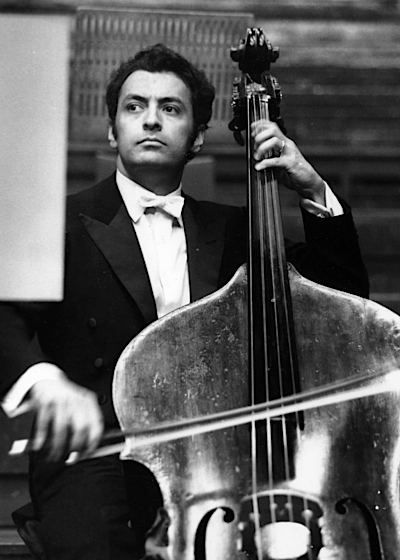 ZM: Mm-hm. I love going to colleagues’
rehearsals and listening. I used to go a lot to Lenny’s rehearsals
in Vienna because in the sixties and even seventies the Vienna Philharmonic
didn’t know all the Mahler symphonies. I remember the Mahler Seventh. They were sight reading
like school children, and sitting at those rehearsals, I learned a lot!
ZM: Mm-hm. I love going to colleagues’
rehearsals and listening. I used to go a lot to Lenny’s rehearsals
in Vienna because in the sixties and even seventies the Vienna Philharmonic
didn’t know all the Mahler symphonies. I remember the Mahler Seventh. They were sight reading
like school children, and sitting at those rehearsals, I learned a lot!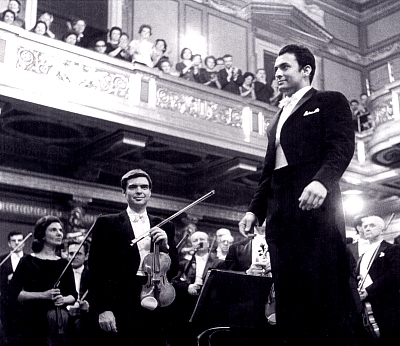 BD: Now when you climb some of these mountains,
you look over and you see the other peaks. Do you discover peaks that
you didn’t know were there and other mountains that you want to climb later?
BD: Now when you climb some of these mountains,
you look over and you see the other peaks. Do you discover peaks that
you didn’t know were there and other mountains that you want to climb later?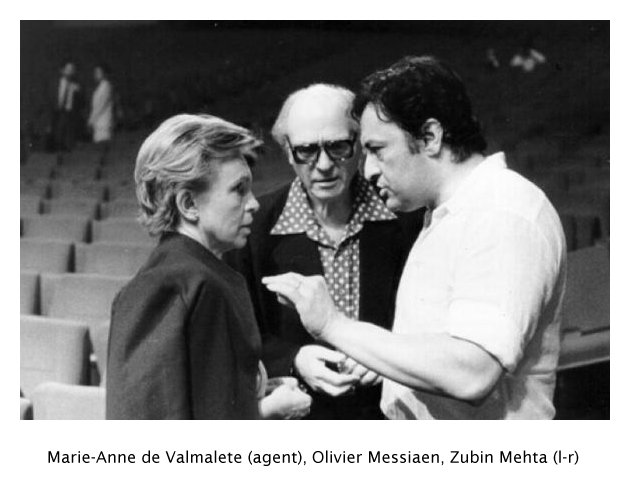 BD: Helpful critical?
 ZM: Yes, because he kept on changing. There
are so many versions of the Second Symphony.
His changes came about from his rehearsing the symphonies with different
orchestras. We have scores in the New York Philharmonic library notated
by him, and if you go to Prague you find his red ink notations even in orchestra
parts.
ZM: Yes, because he kept on changing. There
are so many versions of the Second Symphony.
His changes came about from his rehearsing the symphonies with different
orchestras. We have scores in the New York Philharmonic library notated
by him, and if you go to Prague you find his red ink notations even in orchestra
parts.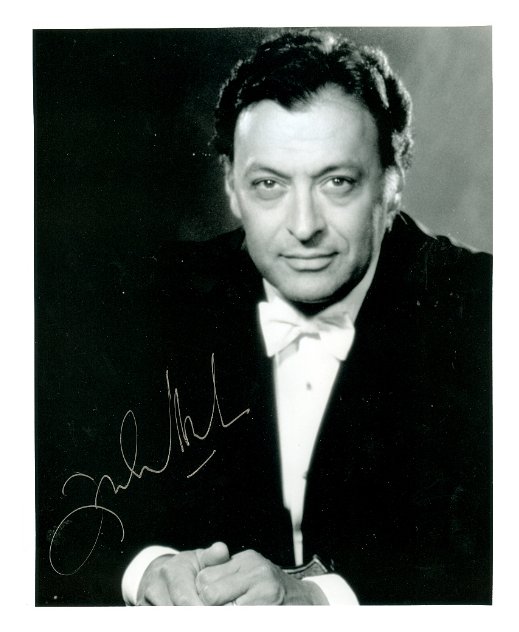 BD: That’s a great thing.
 BD: Then let’s talk about the symphony. You’ve
been music director in Los Angeles and New York and Israel, but you guest
conduct all over the place.
BD: Then let’s talk about the symphony. You’ve
been music director in Los Angeles and New York and Israel, but you guest
conduct all over the place. 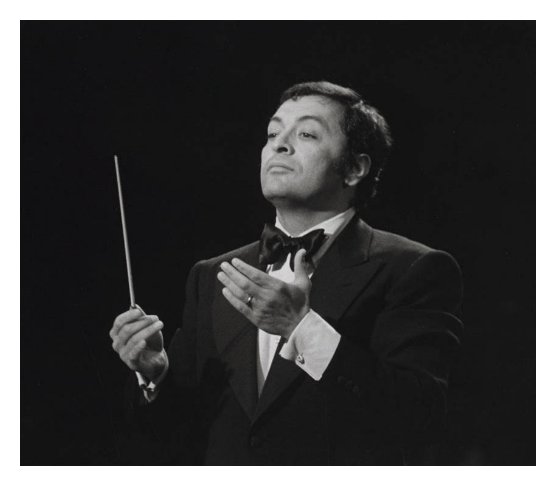 BD: They do eight performances of the same show
a week.
BD: They do eight performances of the same show
a week.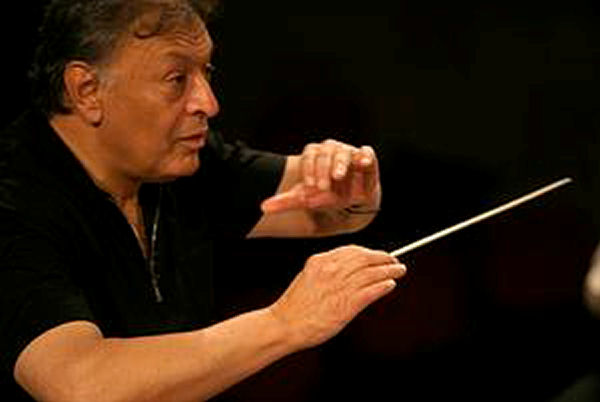 ZM: Even rehearsing it, I feel myself conducting
one opera lasting over seventeen hours.
ZM: Even rehearsing it, I feel myself conducting
one opera lasting over seventeen hours.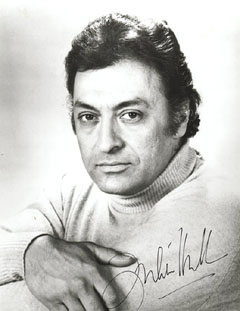 ZM: I hope very little is me, basically. I
love the scores I conduct so much that I am continuously kneeling before
them. I have come to the point in my life that I only conduct what
I want. My period of my life that I was obligated to do certain things
is over... Well, it’s not completely over, but it’s mostly over, so
that every piece of music I put in the program is because I want to and I
love it, or it is for a soloist I perform with. At this point, I only
perform with those soloists that I feel I breathe with.
ZM: I hope very little is me, basically. I
love the scores I conduct so much that I am continuously kneeling before
them. I have come to the point in my life that I only conduct what
I want. My period of my life that I was obligated to do certain things
is over... Well, it’s not completely over, but it’s mostly over, so
that every piece of music I put in the program is because I want to and I
love it, or it is for a soloist I perform with. At this point, I only
perform with those soloists that I feel I breathe with.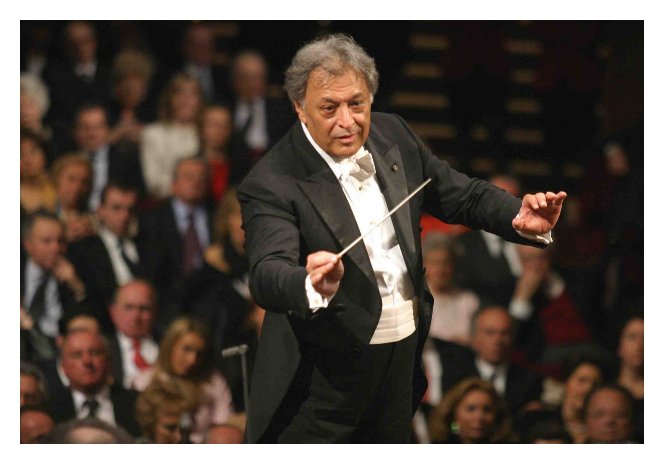 ZM: If you are really very talented as a teen-ager,
you want to be a soloist... and your mother wants you to be a soloist!
Most times also the teacher wants you to be a soloist, and that’s where the
mistake happens. The teacher, for his own ego or for his own advertisement,
does not see the potential of a good orchestral player. I have arguments
with teachers all over the world. I say, “You have talent. If
this talent is going to be a soloist, you can’t stop this.” That person
will become a soloist whether you put him down or whether you encourage him.
But if you have a real talent, that talent has to be geared to what’s the
best that you can possibly imagine for him. If then he wants to be
in an orchestra or to go into a quartet or become a soloist, he can always
try. I’ll give you an example. I nurtured a six year-old boy
in Los Angeles. His father was the leader of my second violin section.
He was an extremely talented kid, and as a child I made him play little solos
with the orchestra for children’s concerts, etc. Then he grew up.
Of course he wanted to be a soloist. He had real soloist material.
He went to New York and studied with the great Ivan Galamian, and I encouraged
him. Then he started playing solo recitals and I heard him. Considering
the talent of the people playing already in the late 1960’s, I knew he would
not make a world career. I was not going to discourage him, but I talked
to his father. I said, “I’m willing to take him in as Assistant Concertmaster
and he’s only in his late teens now. I will see to it that he plays
as much solo as possible as well as being with the LA Philharmonic.
I’ll give him time off to play his dates so he has the satisfaction of playing
solo, but I will prophesy that seating him next to an experienced player
— a concertmaster — will give him the experience,
and by the time he’s twenty-five he will be ready to be concertmaster of
the best orchestra.” His father must have talked to him, and in a few
years he came to me. I think he was about twenty or twenty-one and
he said, “I want to take you up on your offer.” So with the agreement
of the orchestra I put him on the second stand. He was assistant concertmaster
and he sat next to a former concertmaster — a real
old fox, a man who knew everything about that profession — and
he kept on coaching him. I would see at rehearsals that he was getting
advice from a master.
ZM: If you are really very talented as a teen-ager,
you want to be a soloist... and your mother wants you to be a soloist!
Most times also the teacher wants you to be a soloist, and that’s where the
mistake happens. The teacher, for his own ego or for his own advertisement,
does not see the potential of a good orchestral player. I have arguments
with teachers all over the world. I say, “You have talent. If
this talent is going to be a soloist, you can’t stop this.” That person
will become a soloist whether you put him down or whether you encourage him.
But if you have a real talent, that talent has to be geared to what’s the
best that you can possibly imagine for him. If then he wants to be
in an orchestra or to go into a quartet or become a soloist, he can always
try. I’ll give you an example. I nurtured a six year-old boy
in Los Angeles. His father was the leader of my second violin section.
He was an extremely talented kid, and as a child I made him play little solos
with the orchestra for children’s concerts, etc. Then he grew up.
Of course he wanted to be a soloist. He had real soloist material.
He went to New York and studied with the great Ivan Galamian, and I encouraged
him. Then he started playing solo recitals and I heard him. Considering
the talent of the people playing already in the late 1960’s, I knew he would
not make a world career. I was not going to discourage him, but I talked
to his father. I said, “I’m willing to take him in as Assistant Concertmaster
and he’s only in his late teens now. I will see to it that he plays
as much solo as possible as well as being with the LA Philharmonic.
I’ll give him time off to play his dates so he has the satisfaction of playing
solo, but I will prophesy that seating him next to an experienced player
— a concertmaster — will give him the experience,
and by the time he’s twenty-five he will be ready to be concertmaster of
the best orchestra.” His father must have talked to him, and in a few
years he came to me. I think he was about twenty or twenty-one and
he said, “I want to take you up on your offer.” So with the agreement
of the orchestra I put him on the second stand. He was assistant concertmaster
and he sat next to a former concertmaster — a real
old fox, a man who knew everything about that profession — and
he kept on coaching him. I would see at rehearsals that he was getting
advice from a master.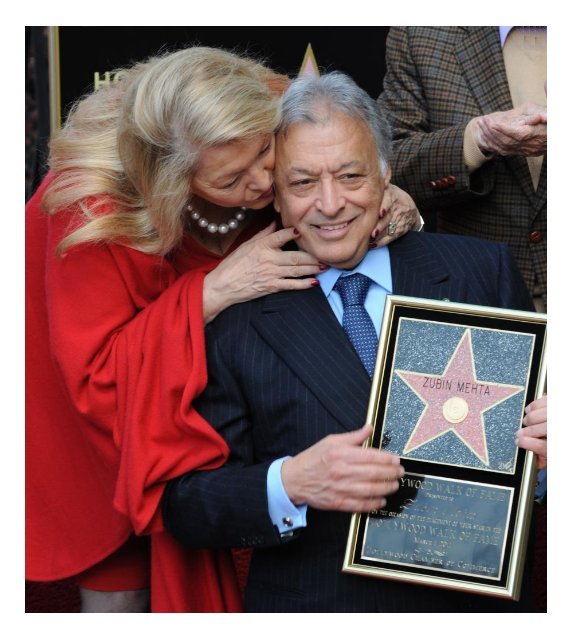 ZM: No. No, it doesn’t. I would love
to conduct my kind of programs on television. In fact, with the New
York Philharmonic, three times a year we did Live from Lincoln Center. I loved
to work those programs out with the producer and then do them, but those
were live performances, and I think live performances have a great, positive
value to them.
ZM: No. No, it doesn’t. I would love
to conduct my kind of programs on television. In fact, with the New
York Philharmonic, three times a year we did Live from Lincoln Center. I loved
to work those programs out with the producer and then do them, but those
were live performances, and I think live performances have a great, positive
value to them.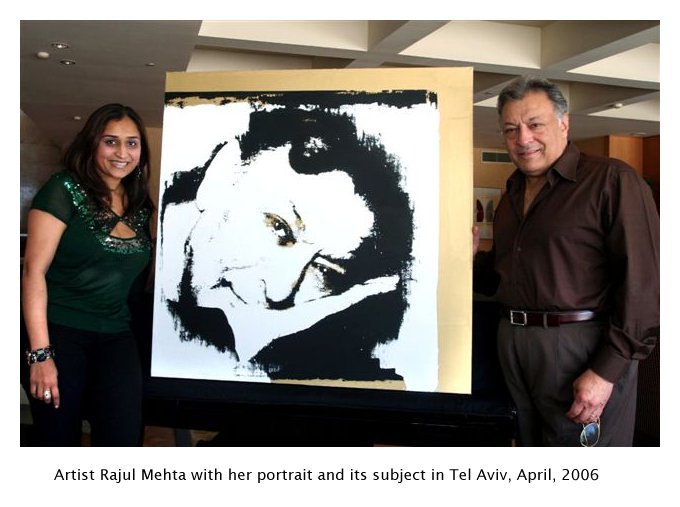
These interviews were recorded in the office suite of the Civic Opera House in Chicago on December 8, 1993 and February 29, 1996. Portions (along with recordings) were used on WNIB in 1993, and twice in 1996. This transcription was made and posted on this website in 2012.
To see a full list (with links) of interviews which have been transcribed and posted on this website, click here.
Award - winning broadcaster Bruce Duffie was with WNIB, Classical 97 in Chicago from 1975 until its final moment as a classical station in February of 2001. His interviews have also appeared in various magazines and journals since 1980, and he now continues his broadcast series on WNUR-FM.
You are invited to visit his website for more information about his work, including selected transcripts of other interviews, plus a full list of his guests. He would also like to call your attention to the photos and information about his grandfather, who was a pioneer in the automotive field more than a century ago. You may also send him E-Mail with comments, questions and suggestions.