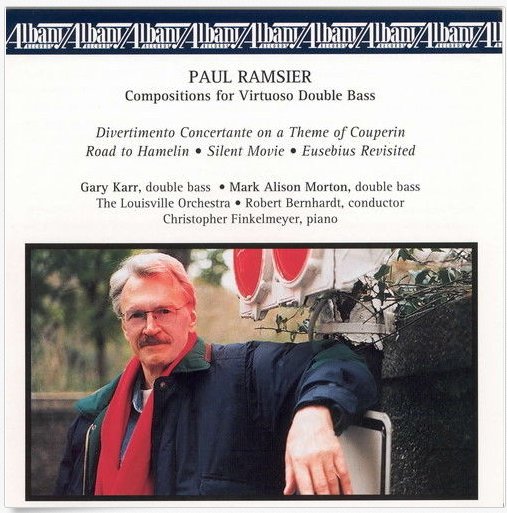
| Born in Louisville, Kentucky,
Paul Ramsier showed promise as a pianist at the age of five and began
composing at nine. At sixteen, he entered the University of Louisville
School of Music. His graduate studies included piano with Beveridge
Webster at the Juilliard School and composition with Ernst von Dohnanyi
at Florida State University. In his early career in New York City, he
was a staff pianist with the New York City Ballet where he was
influenced by Balanchine and Stravinsky. During that period he studied
composition with Alexei
Haieff. [Names which are
links on this page refer to my Interviews elsewhere on my
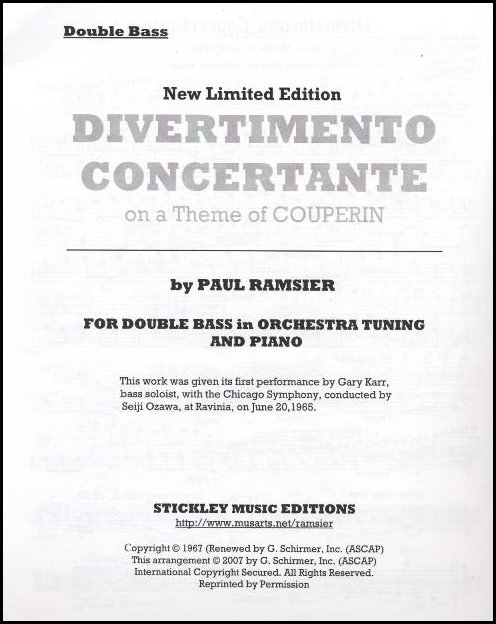
website. BD] Ramsier’s output includes orchestral, opera, choral, instrumental and chamber works, but his best known contribution to contemporary music is his body of work for the double bass, which has established him as a major figure in the development of the instrument. His renowned double bass compositions include four works with orchestra beginning with the landmark Divertimento Concertante on a Theme of Couperin. This and two subsequent works, Road to Hamelin and Eusebius Revisited have since become bass standards, and are regarded as the most performed compositions for bass and orchestra since l965. There have been well over 150 such performances with orchestral ensembles including the Chicago Symphony, Toronto Symphony, London Symphony, Hong Kong Philharmonic, Melbourne (Australia) Symphony, Rotterdam Philharmonic, Puerto Rico Symphony, Montevideo Symphony, Minnesota Orchestra, Indianapolis Symphony, Kansas City Symphony, Columbus Symphony, Atlanta Symphony, Israel Sinfonia, Louisville Orchestra, Istanbul State Symphony, Florida Symphony, Atlantic Symphony, Basel Symphony, Zurich Chamber Orchestra, McGill Chamber Orchestra, and I Musici de Montreal. Among his other compositions, a one-act opera, The Man on the Bearskin Rug, is well known and frequently performed, as is another large bass work, Silent Movie for solo bass with strings and harp. Ramsier taught composition at New York University and the Ohio State University. After earning a Ph.D., he turned his attention to the study of psychoanalysis, and has since pursued a double career in psychotherapy and musical composition. Dr. Ramsier composes, and practices psychotherapy, in Florida. His practice includes many creative and performing artists. |
 PR: I’ve been doing
this work for the
double bass for so long that I haven’t thought about that particular
question for a while, because it seems such an organic thing
for me to do at this point.
PR: I’ve been doing
this work for the
double bass for so long that I haven’t thought about that particular
question for a while, because it seems such an organic thing
for me to do at this point.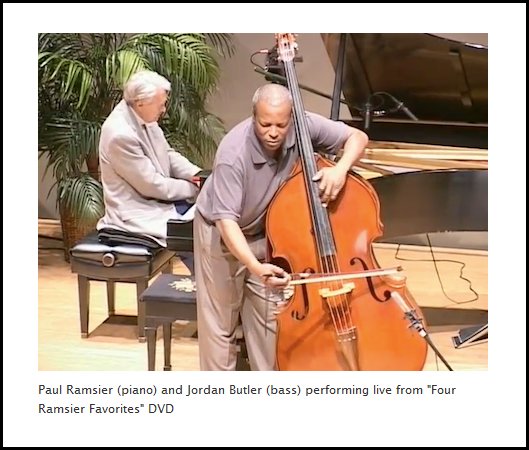 PR: It came out that
way. It’s certainly not
supposed to sound difficult, and Gary plays it with such ease, or
apparently with such ease that it seems to be without any kind of
complications for him. At this point, it’s not, but it took a
good many years before other bassists would tackle it. Some of
them are his students. He’s really very generous and imparting as
a teacher, but he knows. Lately there have been a number of
performers that are tackling that piece, and wrote to him. Two of
them are in Chicago. One is Jeff Bradetich, who is teaching at
Northwestern and has developed the International Society of Bassists to
a
very large degree, and Carol Hart, who came over a few months ago
to play the piece for me. I was very impressed with Carol.
She’s doing graduate work at Northwestern.
PR: It came out that
way. It’s certainly not
supposed to sound difficult, and Gary plays it with such ease, or
apparently with such ease that it seems to be without any kind of
complications for him. At this point, it’s not, but it took a
good many years before other bassists would tackle it. Some of
them are his students. He’s really very generous and imparting as
a teacher, but he knows. Lately there have been a number of
performers that are tackling that piece, and wrote to him. Two of
them are in Chicago. One is Jeff Bradetich, who is teaching at
Northwestern and has developed the International Society of Bassists to
a
very large degree, and Carol Hart, who came over a few months ago
to play the piece for me. I was very impressed with Carol.
She’s doing graduate work at Northwestern.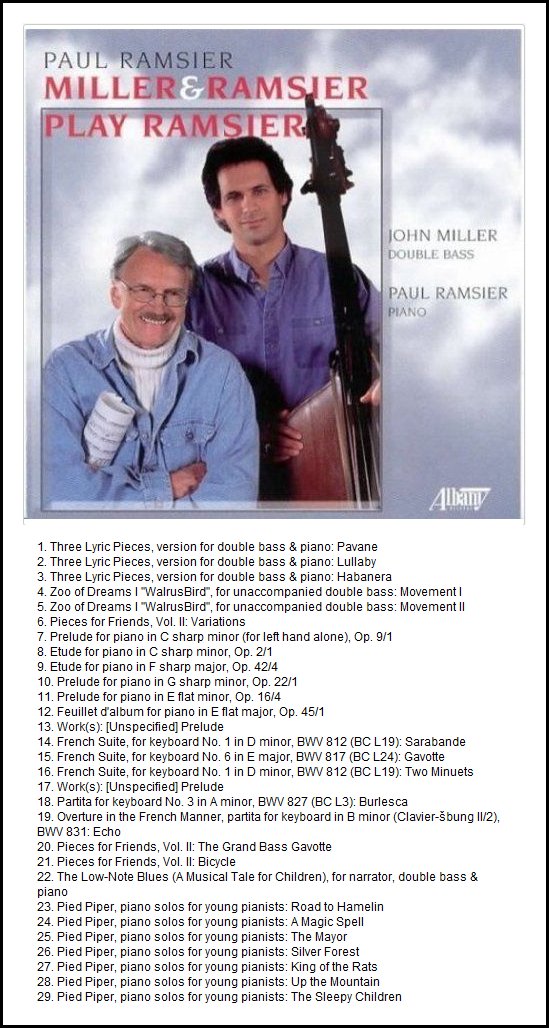 BD: Well, where is
the balance?
BD: Well, where is
the balance?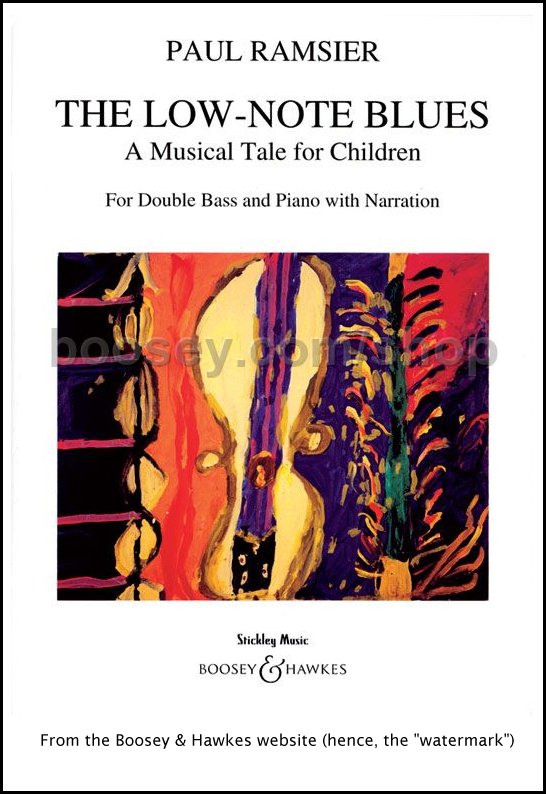 PR: Of course every
person is quite different,
but there are about three different types of problems that I
encounter. I have almost touched on it before, but I might go
into
that in a slightly different way. One would be the artist who
is perhaps not going to get performed or have their work shown. I
help them with how to deal
with that. The next might be the artist that has
recognition but absolutely no income. Strange as that may seem,
there is an assumption that if you’re famous in this country, that you
automatically make a living and a pretty good one. But that’s not
always the case, especially in the case of composers and poets,
certainly. Painters, by the way, tend to go in a different
category. If they get any recognition at all, they might be able
to make their living as painters because the
work is realized and it has some value on the market if the artist
becomes even half way well known. This is
not true for a composer who may have to teach or might have to
conduct. This is not full-time composing, when somebody has to
teach or conduct. So there is
certainly a group of artists that have some recognition but barely
enough money to live on. That’s a
terrible thing in our society, and dealing with that is
difficult. One might say they’re in the category of the poor and
famous. [Both laugh] The third category would be creative
artists or even performing artists who have attained a good
deal of recognition, and are obsessed, so to speak, with how to
maintain that. A painter, for example, might find that as long as
they supply the point of view that the gallery wants, everything is
fine. But what if something organic in them says,
“Well, hey, let’s try something else.” How do they handle
that? So that’s certainly a problem. Another problem is
the sense that many artists have that if they are not successful
they’re somehow looked down upon, and I think that’s quite true.
When they’re not successful they’re seen as perhaps crazy or weird
or bitter. When they become successful, they’re
suddenly delightfully eccentric.
PR: Of course every
person is quite different,
but there are about three different types of problems that I
encounter. I have almost touched on it before, but I might go
into
that in a slightly different way. One would be the artist who
is perhaps not going to get performed or have their work shown. I
help them with how to deal
with that. The next might be the artist that has
recognition but absolutely no income. Strange as that may seem,
there is an assumption that if you’re famous in this country, that you
automatically make a living and a pretty good one. But that’s not
always the case, especially in the case of composers and poets,
certainly. Painters, by the way, tend to go in a different
category. If they get any recognition at all, they might be able
to make their living as painters because the
work is realized and it has some value on the market if the artist
becomes even half way well known. This is
not true for a composer who may have to teach or might have to
conduct. This is not full-time composing, when somebody has to
teach or conduct. So there is
certainly a group of artists that have some recognition but barely
enough money to live on. That’s a
terrible thing in our society, and dealing with that is
difficult. One might say they’re in the category of the poor and
famous. [Both laugh] The third category would be creative
artists or even performing artists who have attained a good
deal of recognition, and are obsessed, so to speak, with how to
maintain that. A painter, for example, might find that as long as
they supply the point of view that the gallery wants, everything is
fine. But what if something organic in them says,
“Well, hey, let’s try something else.” How do they handle
that? So that’s certainly a problem. Another problem is
the sense that many artists have that if they are not successful
they’re somehow looked down upon, and I think that’s quite true.
When they’re not successful they’re seen as perhaps crazy or weird
or bitter. When they become successful, they’re
suddenly delightfully eccentric.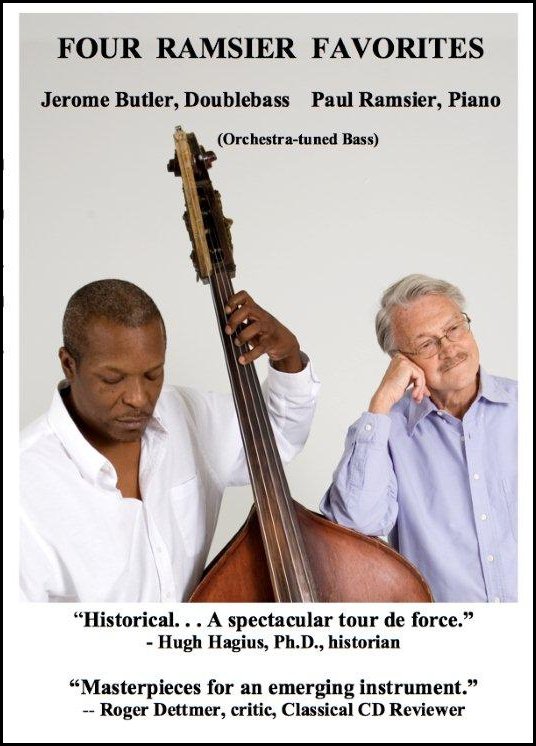 PR: First I would
have to know what
greatness is. Is greatness what I’m told greatness is? Is
Beethoven great? Yes, sure, Beethoven’s great. I picked
Beethoven as an example because I’m not always taken well with
Beethoven. I can say that without too much
apology because Stravinsky didn’t like Beethoven. I had the
privilege of working with Stravinsky when I was a staff pianist at the
New York
City Ballet, many, many years ago. And some great music became
great for me when I was able to analyze it as a music student, and some
didn’t. I can only say whatever greatness is appeals to me
on an emotional level. That’s all. The intellectual, per
se, is not for me. It’s fine if it’s for somebody
else. For example, I’ve always
liked Ravel, but when I hear it, it comes to me as such a fresh
expression, such incredible perfection, that I think, “How could a mere
mortal have written this?” Then I think, “Why did it take so
long for Ravel to catch on?” A lot of scholars have been just
paying him
lip service until lately, and maybe they are still, but one
certainly hears it a lot. For some reason, it’s taken this long
for it
to communicate. It’s ravishing, and everything that I hear of his
is. So for me that’s so incredibly great. Now somebody
else might say that Wagner is incredibly great, and I would
agree. I sat at the Metropolitan and heard a number of Wagner
operas, and felt that my life has been changed, but I was never sure
whether it was
for the better! [Laughs] I can’t tell you why, and I’m not
knocking Wagner, but it doesn’t matter because he’s
already got plenty of supporters.
PR: First I would
have to know what
greatness is. Is greatness what I’m told greatness is? Is
Beethoven great? Yes, sure, Beethoven’s great. I picked
Beethoven as an example because I’m not always taken well with
Beethoven. I can say that without too much
apology because Stravinsky didn’t like Beethoven. I had the
privilege of working with Stravinsky when I was a staff pianist at the
New York
City Ballet, many, many years ago. And some great music became
great for me when I was able to analyze it as a music student, and some
didn’t. I can only say whatever greatness is appeals to me
on an emotional level. That’s all. The intellectual, per
se, is not for me. It’s fine if it’s for somebody
else. For example, I’ve always
liked Ravel, but when I hear it, it comes to me as such a fresh
expression, such incredible perfection, that I think, “How could a mere
mortal have written this?” Then I think, “Why did it take so
long for Ravel to catch on?” A lot of scholars have been just
paying him
lip service until lately, and maybe they are still, but one
certainly hears it a lot. For some reason, it’s taken this long
for it
to communicate. It’s ravishing, and everything that I hear of his
is. So for me that’s so incredibly great. Now somebody
else might say that Wagner is incredibly great, and I would
agree. I sat at the Metropolitan and heard a number of Wagner
operas, and felt that my life has been changed, but I was never sure
whether it was
for the better! [Laughs] I can’t tell you why, and I’m not
knocking Wagner, but it doesn’t matter because he’s
already got plenty of supporters.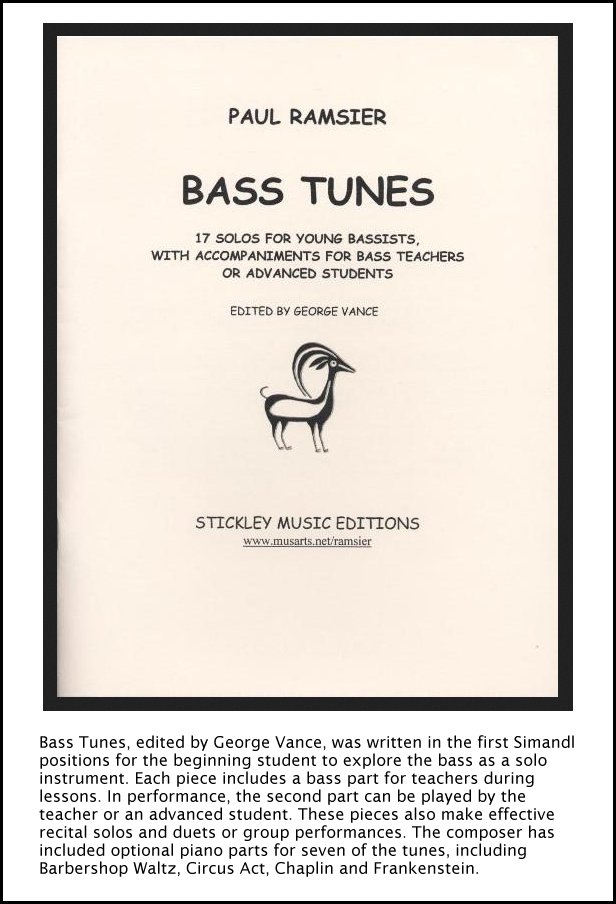
© 1988 Bruce Duffie
This conversation was recorded at his home in New York City on
March 26, 1988. Portions (along with recordings) were broadcast
on WNIB in 1997.
This transcription was made in 2015, and posted on this
website
at that time.
To see a full list (with links) of interviews which have been transcribed and posted on this website, click here.
Award - winning broadcaster Bruce Duffie was with WNIB, Classical 97 in Chicago from 1975 until its final moment as a classical station in February of 2001. His interviews have also appeared in various magazines and journals since 1980, and he now continues his broadcast series on WNUR-FM, as well as on Contemporary Classical Internet Radio.
You are invited to visit his website for more information about his work, including selected transcripts of other interviews, plus a full list of his guests. He would also like to call your attention to the photos and information about his grandfather, who was a pioneer in the automotive field more than a century ago. You may also send him E-Mail with comments, questions and suggestions.