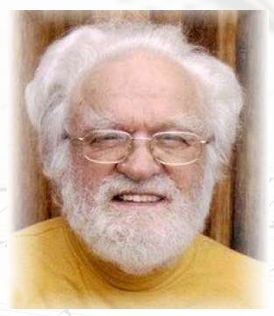
William Joseph Schmidt, Jr (March 6, 1926 – April 25, 2009) was an American composer, arranger and publisher of classical music.
Schmidt was born in Chicago, Illinois and began playing the saxophone at the age of six, and later added clarinet and piano to his studies. He started playing professionally by the time he was 12, and began arranging music a few years later.
 He served in the Navy (1944–46) as musician and arranger in the Admiral’s
band on the USS Iowa in the Pacific. Following this he attended Chicago
Musical College under the tutelage of Max Wald before moving to Los Angeles
in 1952. There, he attended the University of Southern California. Studying
with Ingolf Dahl, he received his Bachelor’s and Master's degrees in Music
Composition with honors. During the Korean War, he served again in the
Navy (1950–52) as musician and arranger on the USS Tarawa in the Mediterranean.
He served in the Navy (1944–46) as musician and arranger in the Admiral’s
band on the USS Iowa in the Pacific. Following this he attended Chicago
Musical College under the tutelage of Max Wald before moving to Los Angeles
in 1952. There, he attended the University of Southern California. Studying
with Ingolf Dahl, he received his Bachelor’s and Master's degrees in Music
Composition with honors. During the Korean War, he served again in the
Navy (1950–52) as musician and arranger on the USS Tarawa in the Mediterranean.
In 1959 Schmidt formed the company Avant Music, specializing in the publishing of classical music. In 1964, Avant became the core of Western International Music, Inc. (WIM), of which Schmidt was founder and president. The WIM Catalog lists nearly 1400 compositions and associated recordings.
In 1956 William Schmidt received a DuPont Band Composition Award, and from 1970-76 recording grants from the Ford Foundation. In 1981 he was nominated for the Pulitzer Prize in Music for his Double Concerto for Trumpet, Piano and Chamber Orchestra, commissioned, premiered, broadcast and recorded by the Pasadena Chamber Orchestra in California. He was a member of the American Society of Composers, Authors and Publishers (ASCAP), and received awards from that Society from 1979 until his death. From 1956 to 2008 he received commissions from many musicians, universities, festivals, and international professional organizations, including several commissions at the University of Northern Colorado.
After moving to Greeley, Colorado in 1987 Mr. Schmidt won the City’s competition for writing a trumpet fanfare to commemorate the new performance hall. A Greeley Fanfare for 6 Trumpets opened the Union Colony Civic Center in Greeley in 1988; the original manuscript is enclosed in the time capsule of the building’s cornerstone. In 1989 he won the Creative Fellowship in Music Composition awarded by the Colorado Council on the Arts and Humanities. In 1990 he was Composer-In-Residence at the Breckenridge Music Festival.
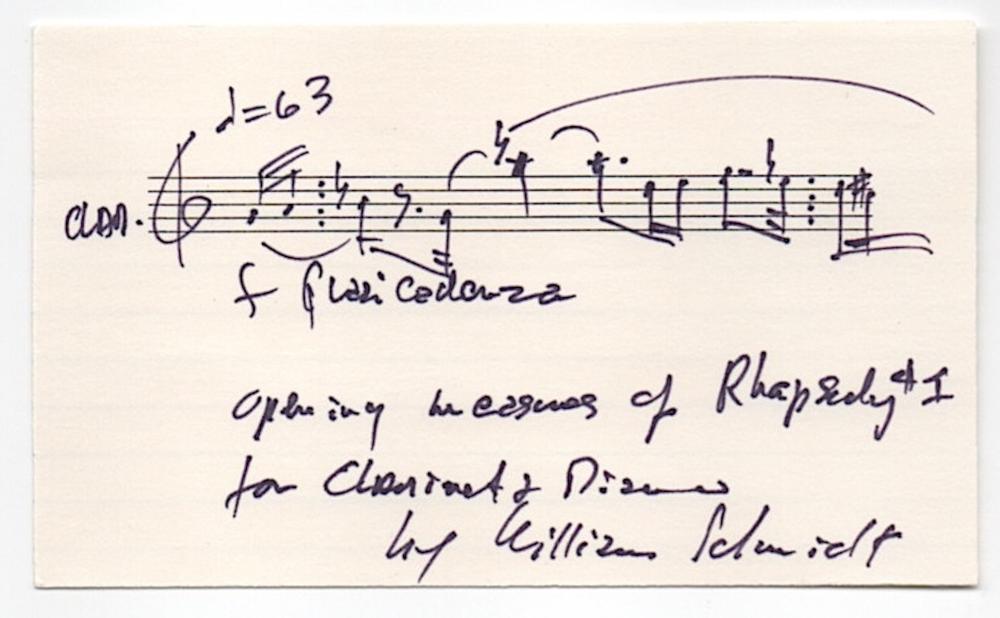
Much of William Schmidt’s music was influenced by jazz and folk music. He composed and arranged music primarily for saxophone, woodwinds, brass and percussion — from solos and chamber music, to clarinet choir, brass choir, symphonic winds, band and orchestra — a total of 160 original compositions, and 470 arrangements.
 This interview with William Schmidt was held
in Chicago on Thursday, October 1, 1987. Co-incidentally, that was
the day of an earthquake in California, which registered 6.1 on the
Richter Scale. He was somewhat shaken up, having tried to contact
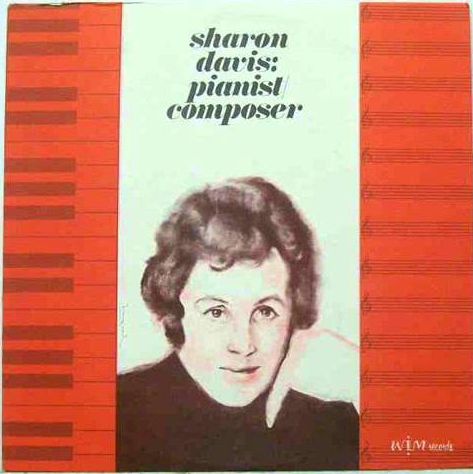
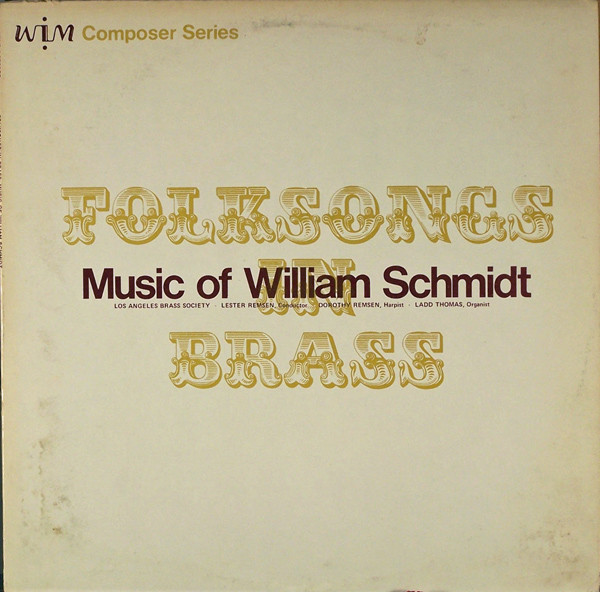
his wife, Sharon Davis [LP cover shown at right], on the phone
from the plane, and then at the airport, but the circuits were out.
When he arrived at my studio, he called California and was able to get
through immediately. His wife said that there was no damage; that
one thing had fallen in the china cabinet and that was all. They
called it just a ‘roller’. Needless to say, he was relieved, and
after that we settled down to have our chat . . . . .
This interview with William Schmidt was held
in Chicago on Thursday, October 1, 1987. Co-incidentally, that was
the day of an earthquake in California, which registered 6.1 on the
Richter Scale. He was somewhat shaken up, having tried to contact
his wife, Sharon Davis [LP cover shown at right], on the phone
from the plane, and then at the airport, but the circuits were out.
When he arrived at my studio, he called California and was able to get
through immediately. His wife said that there was no damage; that
one thing had fallen in the china cabinet and that was all. They
called it just a ‘roller’. Needless to say, he was relieved, and
after that we settled down to have our chat . . . . .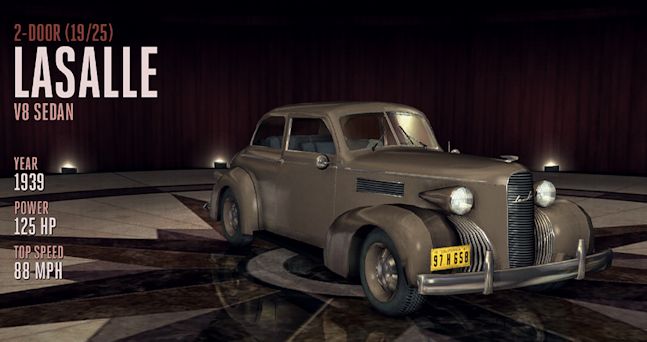 BD: My goodness! [My grandfather
was a test-driver of the earliest cars at the very beginning of the twentieth
century. To see some of those automobiles and the exploits he went
through, click HERE.]
BD: My goodness! [My grandfather
was a test-driver of the earliest cars at the very beginning of the twentieth
century. To see some of those automobiles and the exploits he went
through, click HERE.]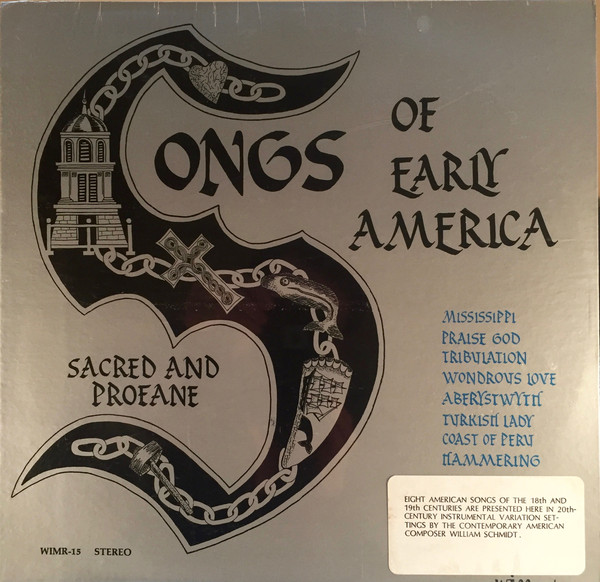 BD: But when you steal an idea, I
assume it then filters through your process and becomes your own.
BD: But when you steal an idea, I
assume it then filters through your process and becomes your own.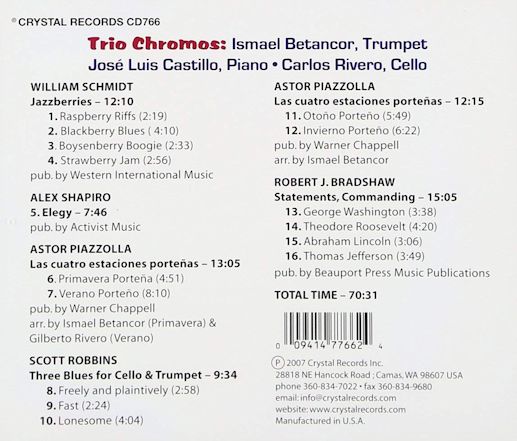 BD: I’m glad
it worked so well for you.
BD: I’m glad
it worked so well for you.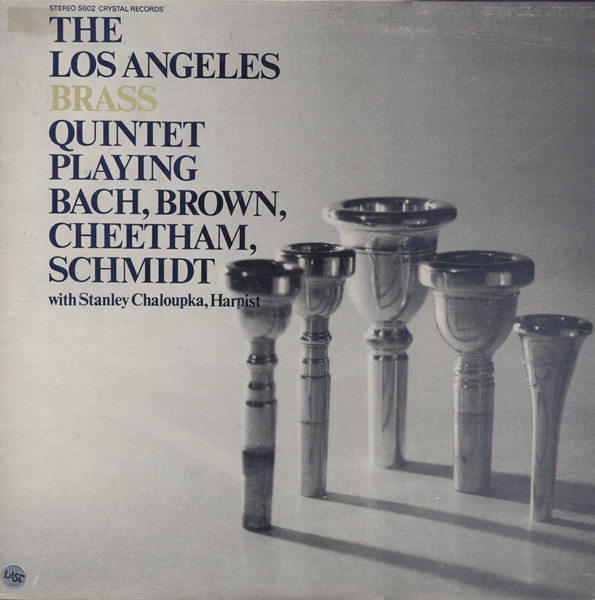 BD: Do you love working with the contrasts in
each section?
BD: Do you love working with the contrasts in
each section?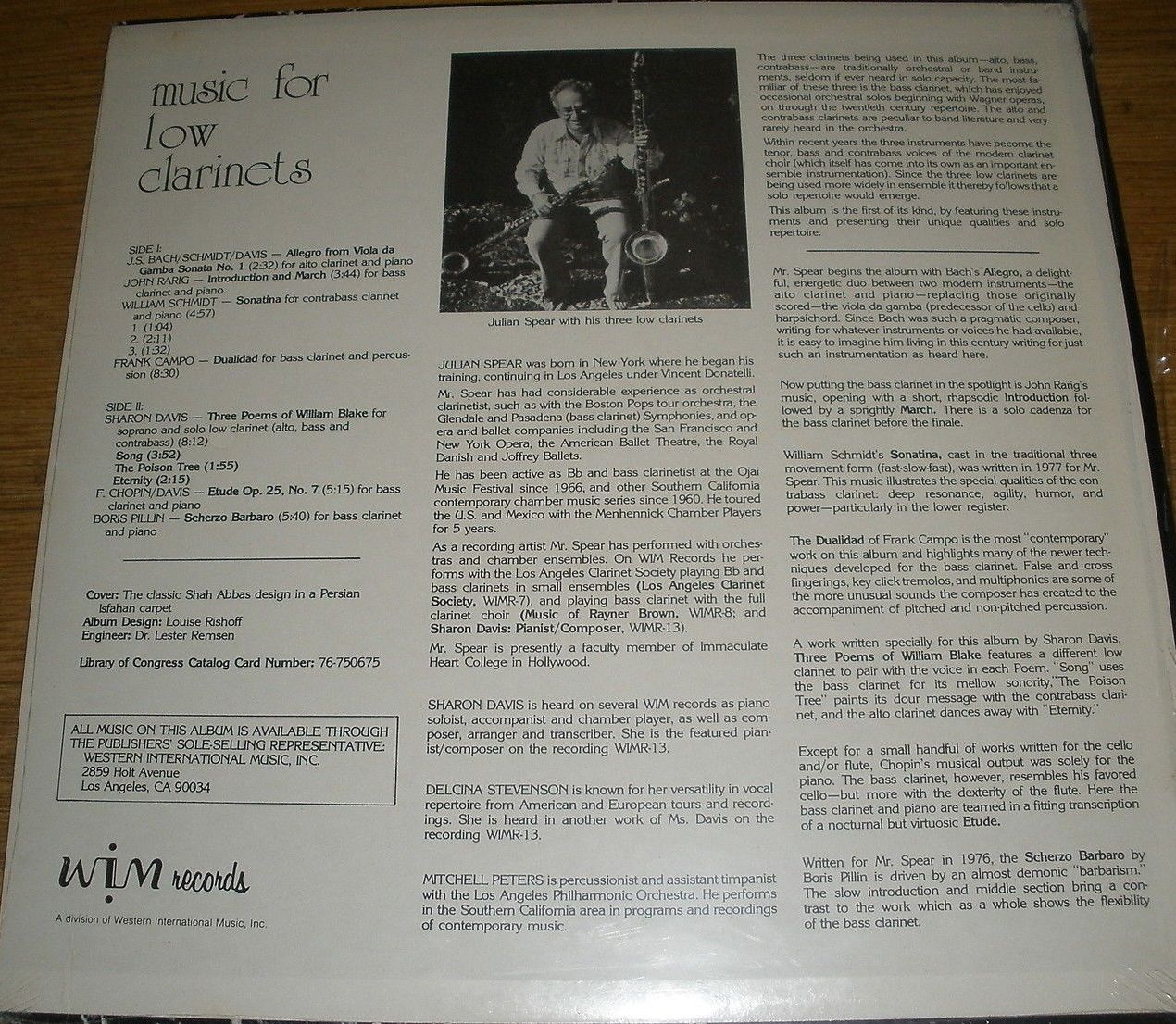
 WS: I look at music just as I look
at poetry or a painting, or theater, all the other arts. It’s
one part of the whole picture. The lesson I learned when I first
went to college is that a person who just listens to music and doesn’t
appreciate the other arts is missing a lot of the music. A
novel, a painting, a play, an opera, a symphony, all have form. They
have a beginning, middle, and end. It can all be beginning sometimes,
or ending, and still be successful, but you can pretty well determine
a thing’s got form. If it’s just one long note for half an hour,
even if you have a crescendo and a decrescendo, I don’t know if you really
can consider that a form. I’m talking about a more serious piece.
Music plays its part in the world of humanities, and it’s a very important
part.
WS: I look at music just as I look
at poetry or a painting, or theater, all the other arts. It’s
one part of the whole picture. The lesson I learned when I first
went to college is that a person who just listens to music and doesn’t
appreciate the other arts is missing a lot of the music. A
novel, a painting, a play, an opera, a symphony, all have form. They
have a beginning, middle, and end. It can all be beginning sometimes,
or ending, and still be successful, but you can pretty well determine
a thing’s got form. If it’s just one long note for half an hour,
even if you have a crescendo and a decrescendo, I don’t know if you really
can consider that a form. I’m talking about a more serious piece.
Music plays its part in the world of humanities, and it’s a very important
part. WS: All of them! Everybody
struggles, and even the dilettantes are pushing hard. I just
figure, they’re doing their thing and I’m doing mine. I can’t
go out and say that I don’t like minimalist music, that I think it’s
a bunch of garbage and it bores the hell out of me. There are
people that sit and listen to it and get mesmerized. They just
sit there for hours, so okay, do it. I’m glad. It’s fine.
WS: All of them! Everybody
struggles, and even the dilettantes are pushing hard. I just
figure, they’re doing their thing and I’m doing mine. I can’t
go out and say that I don’t like minimalist music, that I think it’s
a bunch of garbage and it bores the hell out of me. There are
people that sit and listen to it and get mesmerized. They just
sit there for hours, so okay, do it. I’m glad. It’s fine. WS: I revise it or rewrite it, and take a suggestion
on how to solve that particular fingering, or whatever is necessary.
Then, of course, they make suggestions for phrasing. Although
you can have tons of experience writing idiomatically for that instrument,
a really good player can say, “Hey why don’t
you change your dynamics here, and get a little more contrast between
this phrase and the next one.”
WS: I revise it or rewrite it, and take a suggestion
on how to solve that particular fingering, or whatever is necessary.
Then, of course, they make suggestions for phrasing. Although
you can have tons of experience writing idiomatically for that instrument,
a really good player can say, “Hey why don’t
you change your dynamics here, and get a little more contrast between
this phrase and the next one.”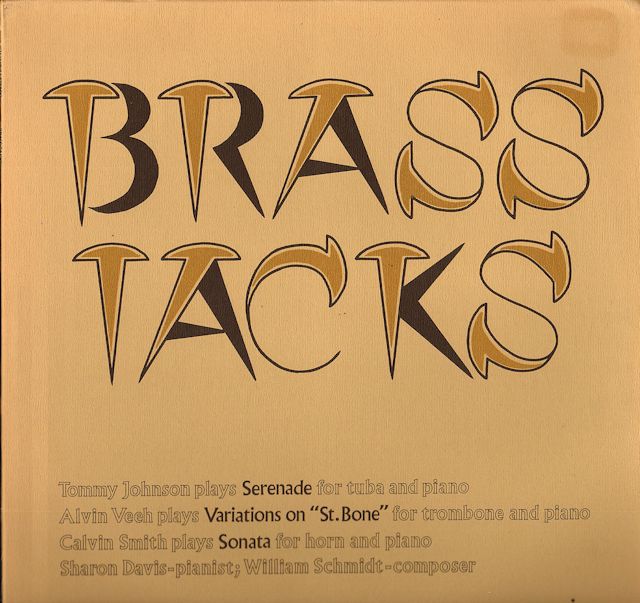 WS: No, I’m not trapped by that.
I’m doing what I want to do, and as long as I have food on the table
and I pay the bills, my expectations are very low. My wife is
the same way, except we are Oriental rug collectors. We’re good
enough collectors that we can go out and spend a hundred dollars when
another person has to spend a thousand to get the same thing because
we know what we’re buying. We cannot buy everything, but we do pretty
well. We’ve really made a study of it. We have a huge library,
and through the repetition of purchasing, and knowing dealers and shipping,
that’s the only real evil thing I indulge in. Otherwise, fancy cars
and all that sort of thing doesn’t mean anything to me. Those are all materialistic
things. Sharon’s a great musician. She’s really the
musician in the family. I just admire her.
WS: No, I’m not trapped by that.
I’m doing what I want to do, and as long as I have food on the table
and I pay the bills, my expectations are very low. My wife is
the same way, except we are Oriental rug collectors. We’re good
enough collectors that we can go out and spend a hundred dollars when
another person has to spend a thousand to get the same thing because
we know what we’re buying. We cannot buy everything, but we do pretty
well. We’ve really made a study of it. We have a huge library,
and through the repetition of purchasing, and knowing dealers and shipping,
that’s the only real evil thing I indulge in. Otherwise, fancy cars
and all that sort of thing doesn’t mean anything to me. Those are all materialistic
things. Sharon’s a great musician. She’s really the
musician in the family. I just admire her.