 Arnold Maurice Jacobs (June 11, 1915 – October 7, 1998)
was an American tubist who spent most of his career with the Chicago Symphony
Orchestra. He held that position from 1944 until his retirement in 1988.
He was considered one of the foremost brass pedagogues of his time, as well
as an expert on breathing as it related to brasswind, woodwind, and vocal
performance. Due to childhood illness and adult onset asthma, his lung capacity
was significantly impaired. He is best remembered for his playing philosophy
which he referred to as "Song and Wind."
Arnold Maurice Jacobs (June 11, 1915 – October 7, 1998)
was an American tubist who spent most of his career with the Chicago Symphony
Orchestra. He held that position from 1944 until his retirement in 1988.
He was considered one of the foremost brass pedagogues of his time, as well
as an expert on breathing as it related to brasswind, woodwind, and vocal
performance. Due to childhood illness and adult onset asthma, his lung capacity
was significantly impaired. He is best remembered for his playing philosophy
which he referred to as "Song and Wind."
Jacobs was born in Philadelphia, but was raised in California. The family
enjoyed music and he credited his mother, a keyboard artist, for his initial
interest in music. He spent his youth progressing from bugle to trumpet
to trombone and finally to tuba. When he was fifteen years old, he entered
Philadelphia's Curtis Institute of Music on a scholarship, and continued
to major in tuba. After his graduation from Curtis in 1936, he played two
seasons in the Indianapolis Symphony Orchestra under Fabien Sevitzky. From
1939 until 1944, he was the tubist of the Pittsburgh Symphony Orchestra
under Fritz Reiner�. In 1941, Jacobs toured the country with Leopold Stokowski
and the All-American Youth Orchestra. He was a member of the Chicago Symphony
from 1944 until his retirement in 1988.
During his forty-four year tenure with the Chicago Symphony Orchestra,
he took temporary leave in the spring of 1949 to tour England and Scotland
with the Philadelphia Orchestra. He was on the faculty of Western State
College's Music Camp at Gunnison, Colorado, during the early 1960s. In
June 1962, he had the honor of being the first tuba player invited to play
at the Casals Festival in Puerto Rico. He was also a founding member of
the Chicago Symphony Brass Quintet, appeared as a soloist with the CSO
on several occasions, and recorded the Vaughan Williams Concerto for
Bass Tuba and Orchestra with Daniel Barenboim conducting the Chicago
Symphony. In recognition of his outstanding career, in 2001, the Chicago
Symphony's tuba chair was dedicated as the Arnold Jacobs Principal Tuba
Chair, Endowed by Christine Querfeld. Jacobs was succeeded in the CSO by
Gene Pokorny.
Jacobs had the reputation as both the master performer and master teacher.
He taught tuba at Northwestern University, and also gave lessons on all
wind instruments in his private studio. He was one of the most sought-after
teachers in the world, specializing in respiratory and motivational applications
for brass and woodwind instruments and voice. His students include many
in orchestras and university faculties around the world. Jacobs gave lectures
and clinics throughout the world. During the CSO's 1977 and 1985 Japanese
tours, Jacobs presented clinics in Tokyo. In January 1978, he lectured
at Chicago's Michael Reese Hospital about playing wind instruments for
the therapeutic treatment of asthma in children. He presented masterclasses
at Northwestern University a week each summer from 1980 to 1998. The Second
International Brass Congress presented its highest award to him in 1984.
In 1991, he presented a clinic for the United States Marine Band in Washington
D.C. He gave masterclasses as part of the Hearst Scholar program at the
University of Northern Iowa and the Housewright Chair at Florida State University.
The Midwest Clinic presented Jacobs their highest award, the Medal of Honor,
in 1985. In 1994, The Chicago Federation of Musicians awarded him for Lifetime
Achievement at the first Living Art of Music awards. During his eightieth
birthday celebration in 1995, he presented a lecture to the International
Brassfest at Indiana University, and the International Tuba-Euphonium Conference
at Northwestern University. Northwestern's School of Music presented him
the first Legends of Teaching award. Mayor Richard M. Daley proclaimed June
25, 1995, as Arnold Jacobs Day in the City of Chicago. Jacobs was given an
honorary Doctor of Music degrees from the VanderCook College of Music in
1986 and DePaul University in June 1995.
|
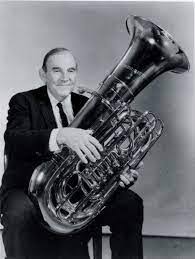
William John Bell (December 25, 1902, Creston, Iowa - August 7, 1971,
Perry, Iowa) was the premier player and teacher of the tuba in America during
the first half of the 20th century. In 1921, he joined the band of John
Philip Sousa, and from 1924 to 1937 he served as Principal Tuba with the
Cincinnati Symphony Orchestra. In 1937 General Electric's David Sarnoff
invited conductor Arturo Toscanini to select personnel for The NBC Symphony
Orchestra. William Bell was the third musician selected by Toscanini, after
his concertmaster Mischa Mischakoff and principal oboe Philip Ghignatti.
In 1943, Bell became principal tubist for the New York Philharmonic.
Leopold Stokowski invited Bell to perform and narrate George Kleinsinger's
"Tubby the Tuba'. In 1955, Bell performed the American premiere of Ralph
Vaughan Williams Concerto for Bass Tuba and Orchestra. He was professor
of tuba at the Manhattan School of Music until 1961, and Indiana University
from 1961 to 1971.
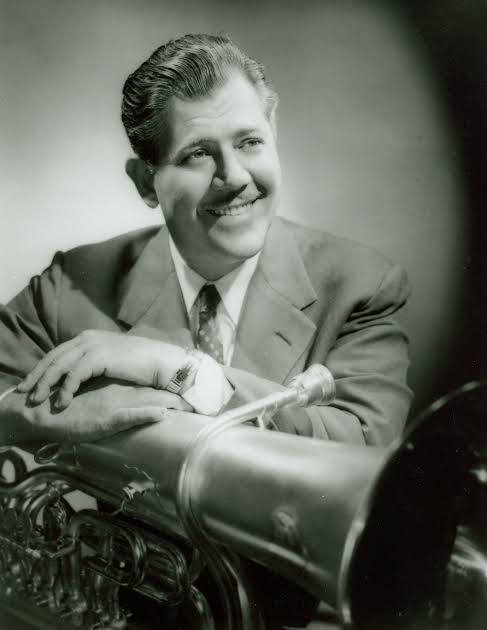
Bell's students included Harvey Phillips.
|
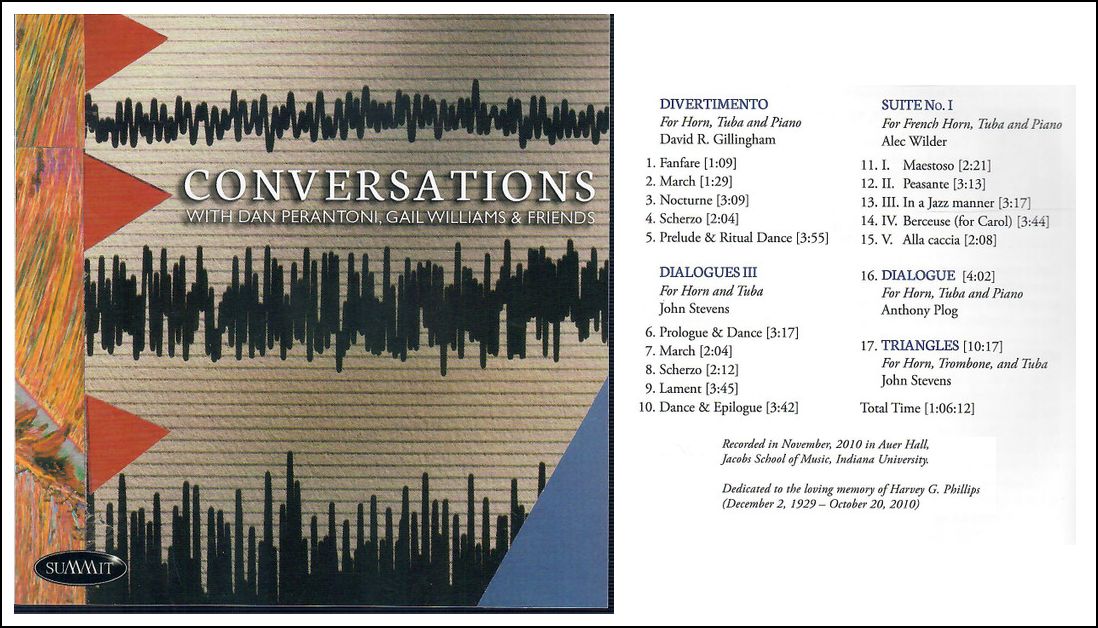
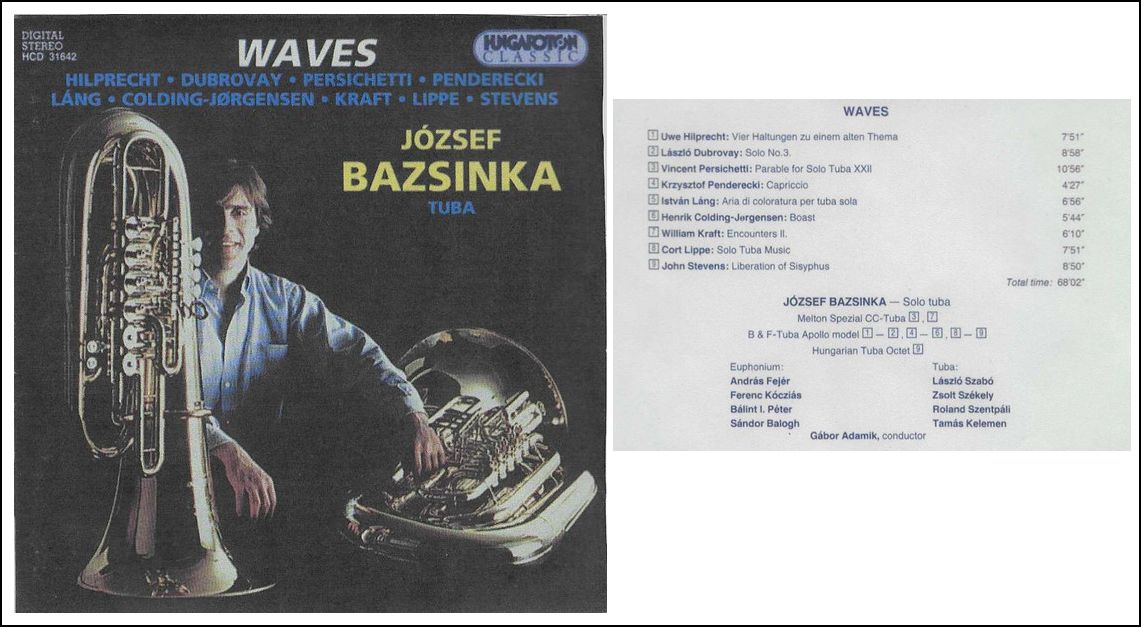
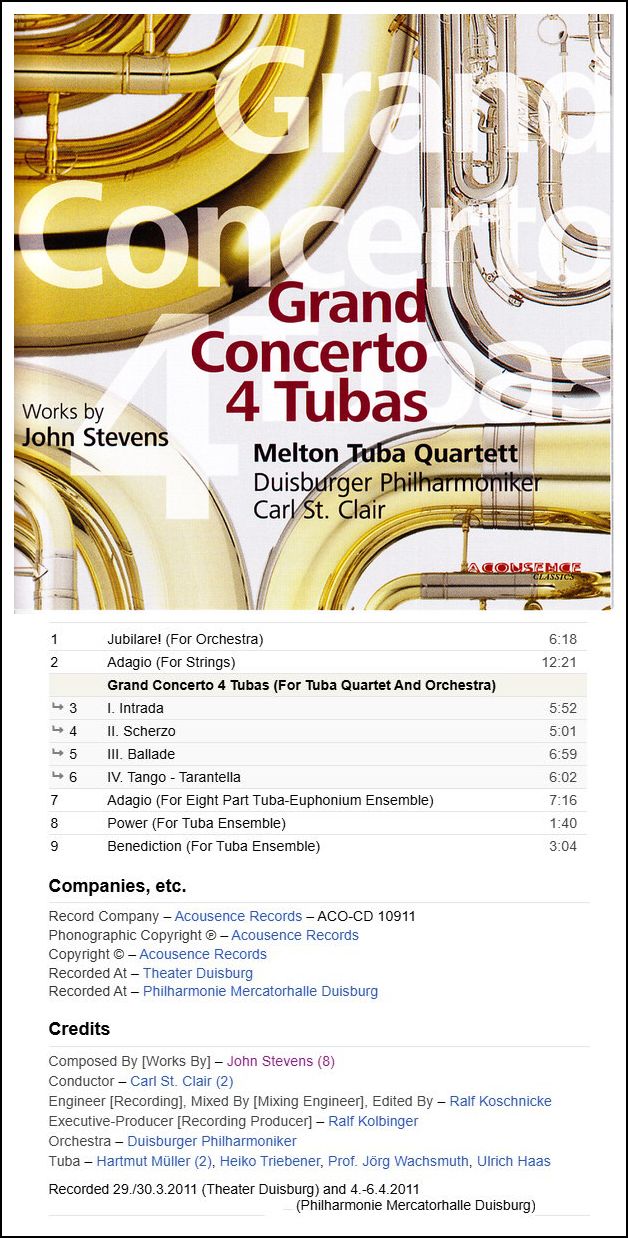
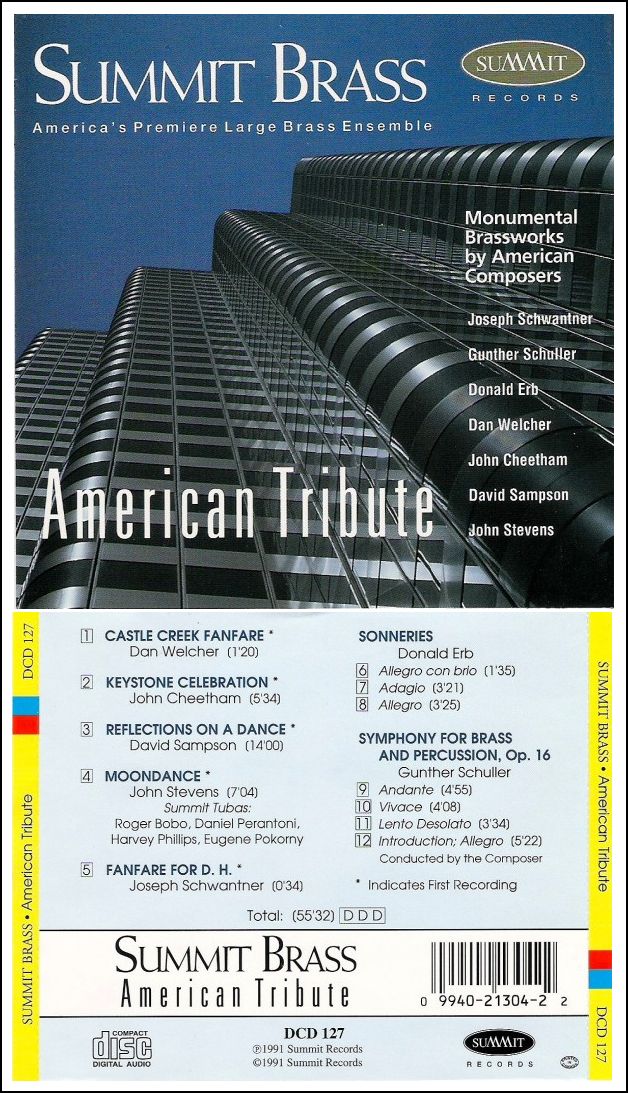
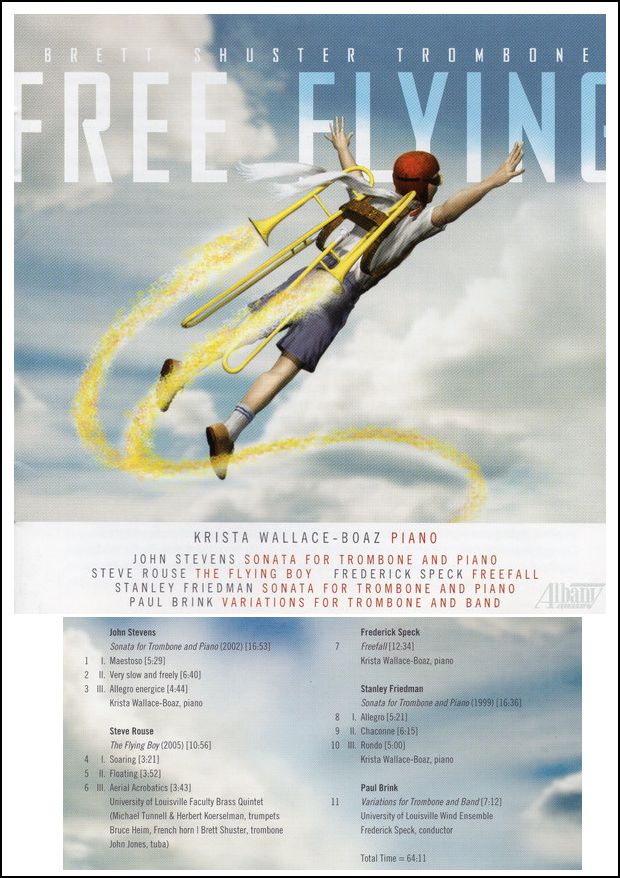
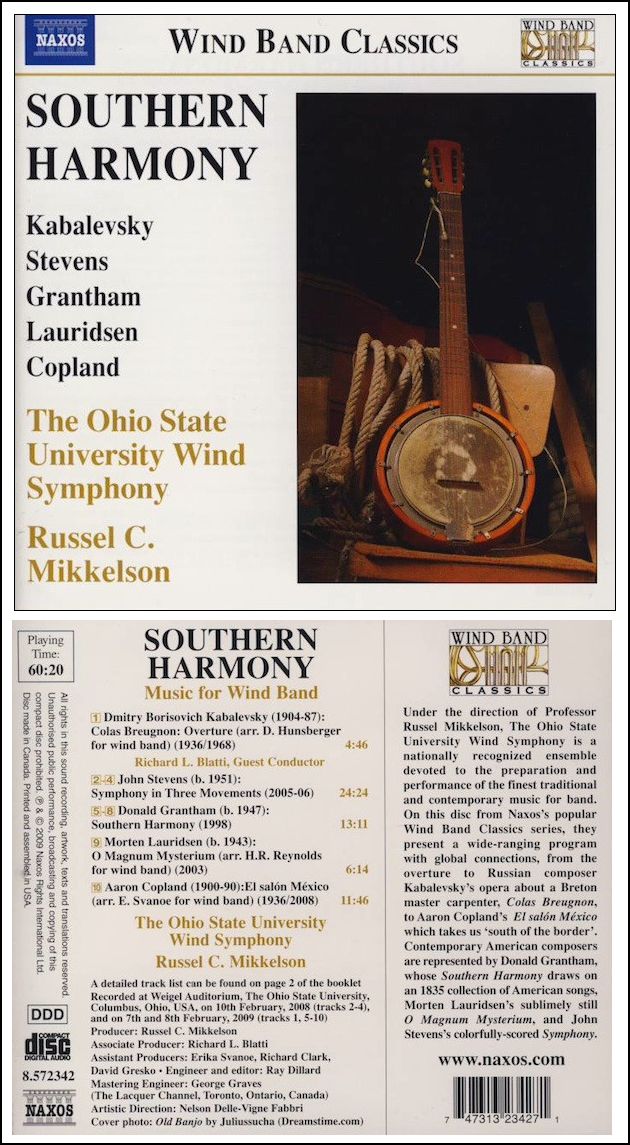
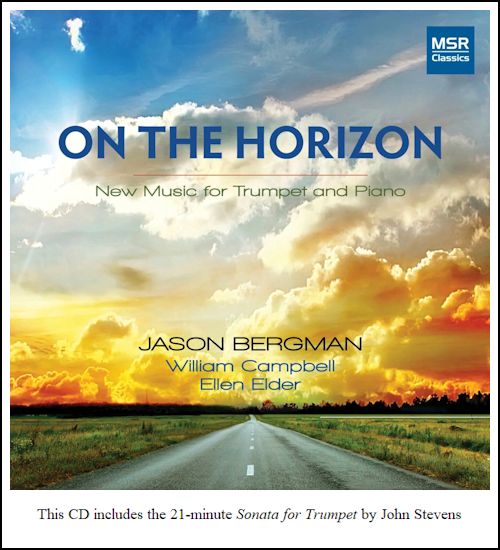
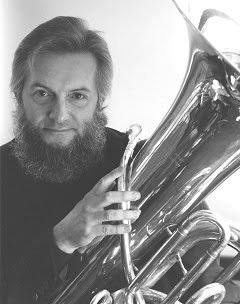 John D. Stevens (b. November 10, 1951, Buffalo, N.Y.) is an American
composer, arranger, tubist, and brass pedagogue. He holds degrees in Music
Performance (tuba) from the Eastman School of Music (1973) and Yale University
(1975).
John D. Stevens (b. November 10, 1951, Buffalo, N.Y.) is an American
composer, arranger, tubist, and brass pedagogue. He holds degrees in Music
Performance (tuba) from the Eastman School of Music (1973) and Yale University
(1975). 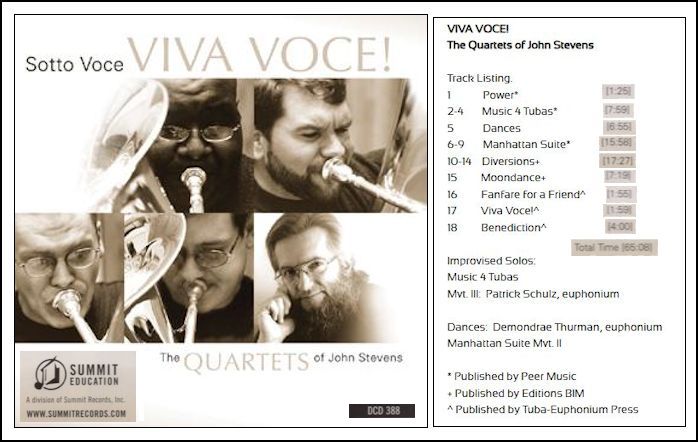
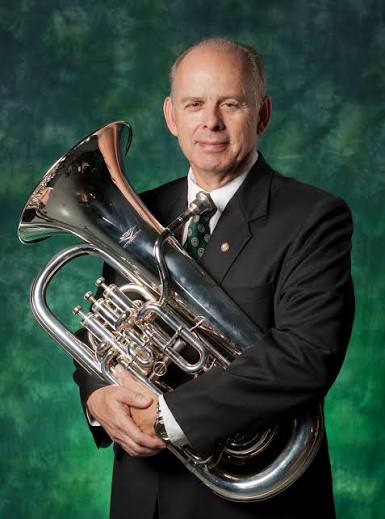 Brian Leslie Bowman (born July 22, 1946 in Fort Dodge, Iowa) is an
American virtuoso euphonium artist and music professor who, among other
things, held the principal euphonium chair and was a featured soloist with
the premier concert bands of the United States Navy and Air Force. On March
28, 1976, Bowman performed the first euphonium recital at Carnegie Hall.
Brian Leslie Bowman (born July 22, 1946 in Fort Dodge, Iowa) is an
American virtuoso euphonium artist and music professor who, among other
things, held the principal euphonium chair and was a featured soloist with
the premier concert bands of the United States Navy and Air Force. On March
28, 1976, Bowman performed the first euphonium recital at Carnegie Hall.