Pianist  Pascal  Rogé

A Conversation with Bruce Duffie


roge


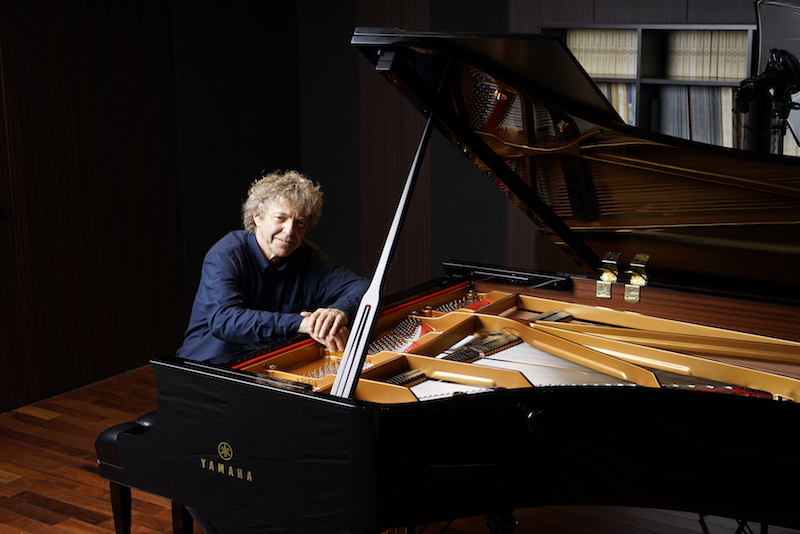
Born in Paris on April 6, 1951, Pascal Rogé was a student of the Paris Conservatory, and was also mentored by Julius Katchen and Nadia Boulanger. Winner of the Georges Enesco piano competition and 1st prize of Marguerite Long Piano competition, he became an exclusive Decca recording artist at the age of seventeen. His playing of Poulenc, Satie, Fauré, Saint-Saëns and especially Ravel and Debussy is characterized by its elegance, beauty and stylistically perfect phrasing.

Rogé has performed in almost every major concert hall in the world, and with every major orchestra across the globe. He has collaborated with distinguished conductors including Lorin Maazel, Michael Tilson Thomas, Mariss Jansons, Charles Dutoit, Kurt Masur, Edo de Waart, Alan Gilbert, David Zinman, Marek Janowski, Sir Andrew Davis, Raymond Leppard and others.

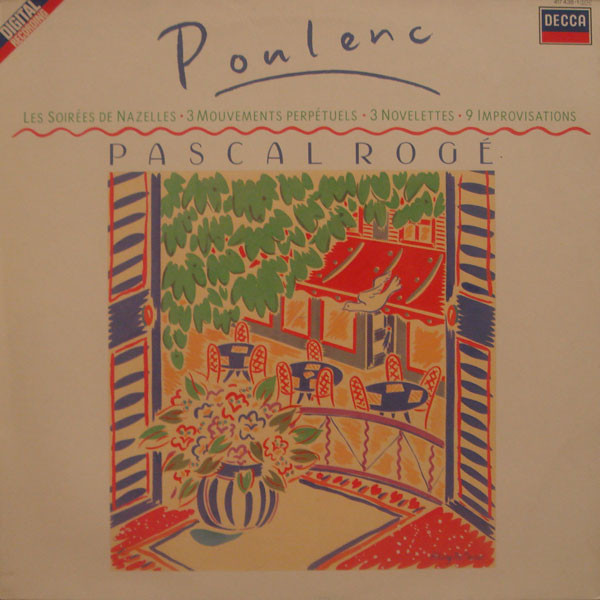
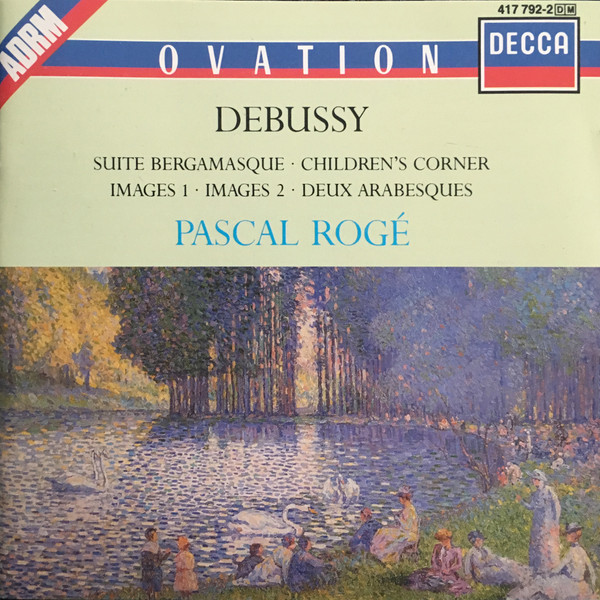
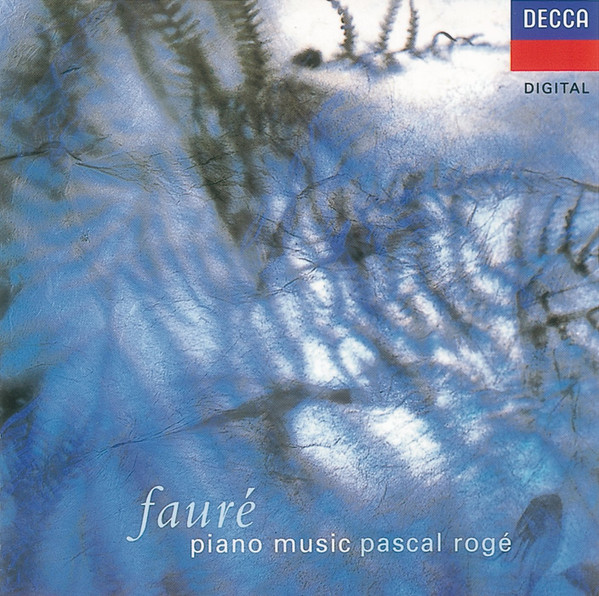
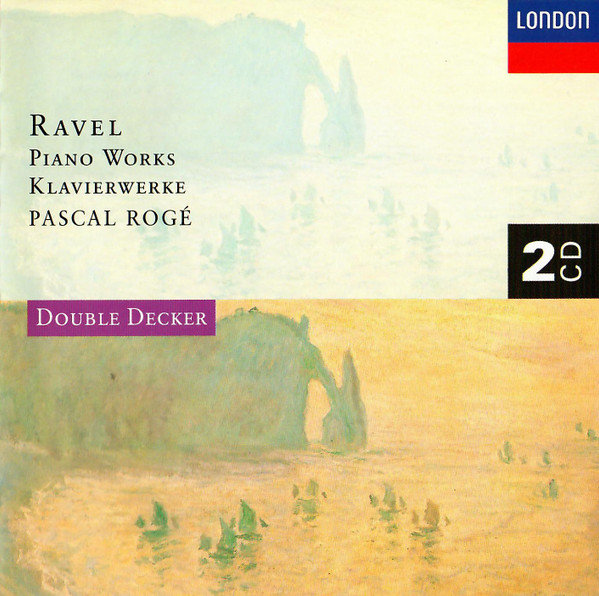
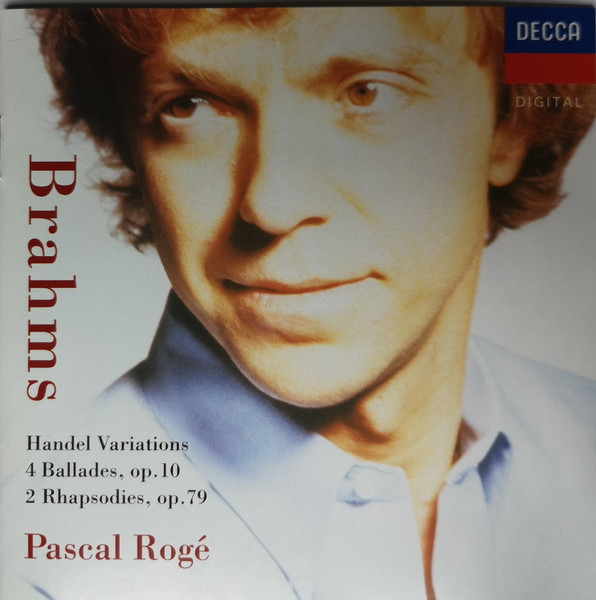
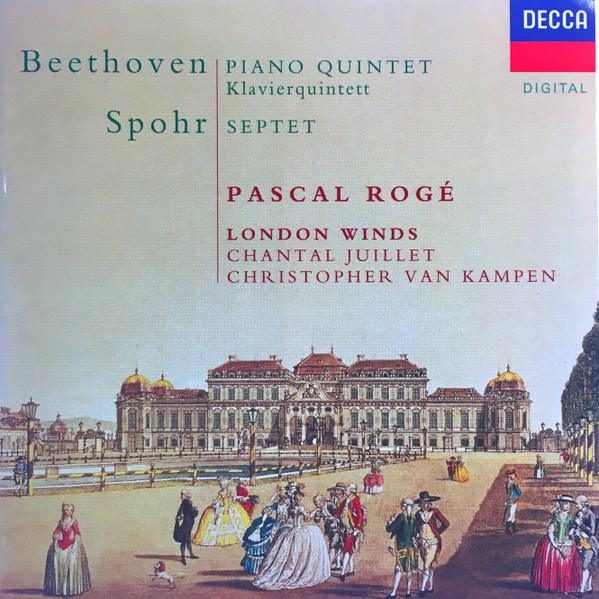
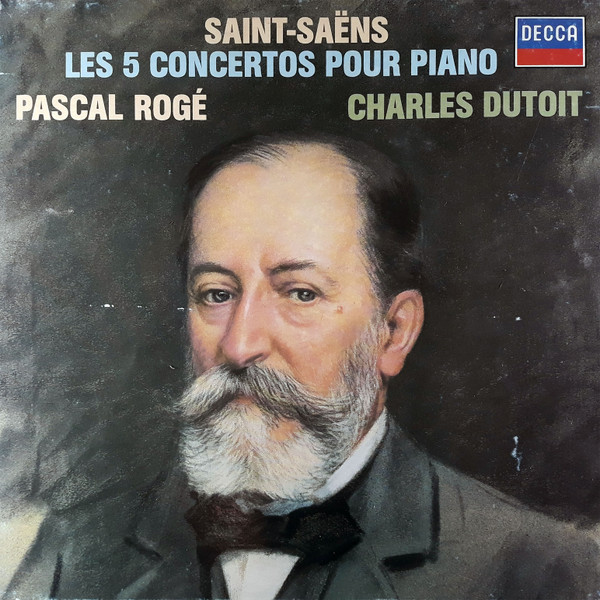
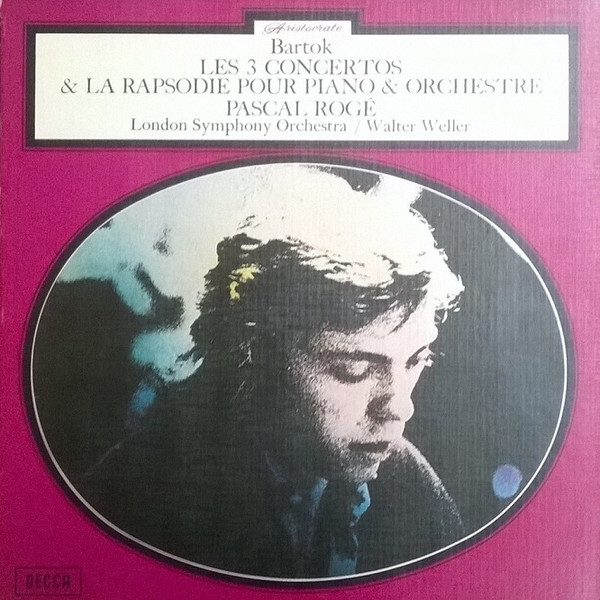
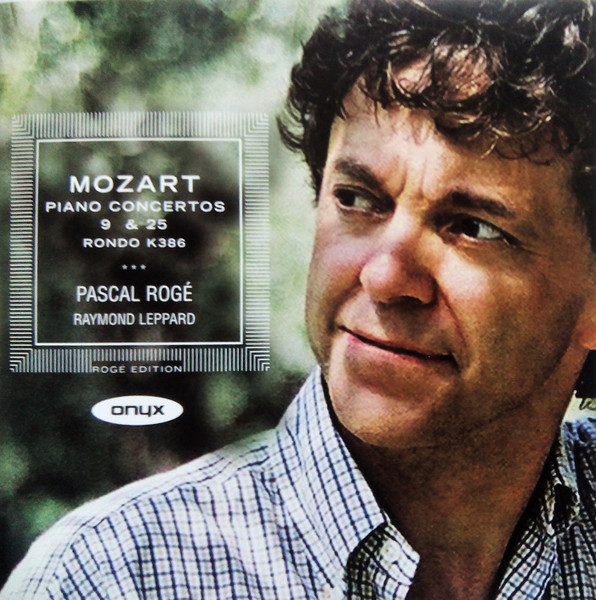
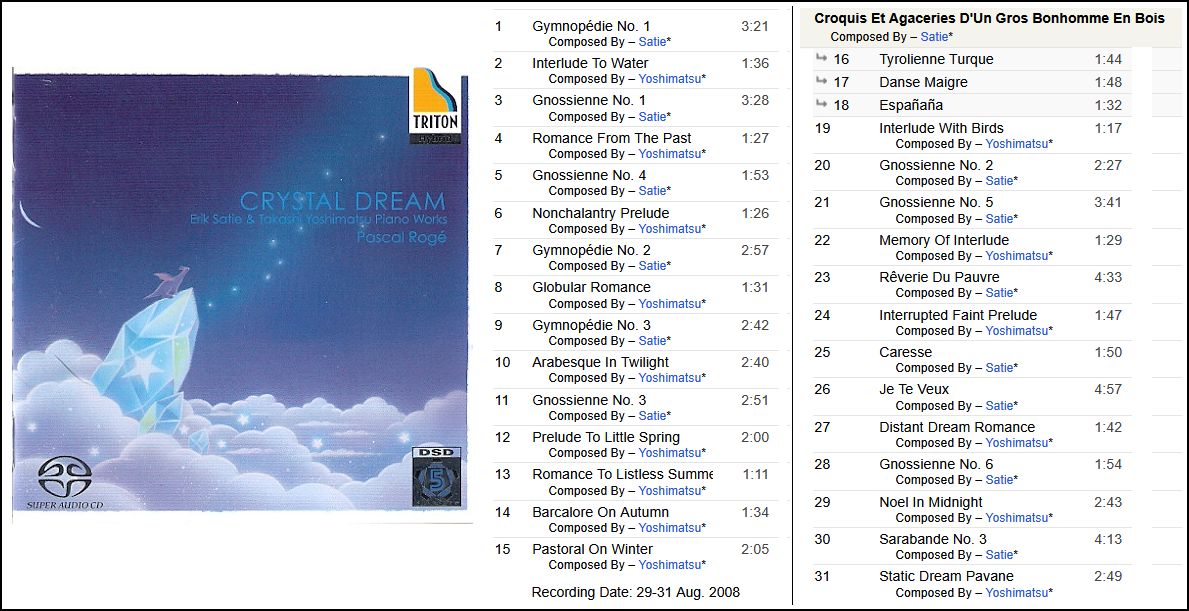
Rogé has won many prestigious awards, including two Gramophone Awards, a Grand Prix du Disque, and an Edison Award for his interpretations of the Ravel and Saint-Saëns concerti, along with the complete piano works of Ravel, Poulenc Debussy and Satie. Covers of some of Rogé's recordings appear as illustrations on this webpage.

Each season, he devotes more than fifty concerts to French music in Europe (Germany, Austria, Switzerland, England, Finland), as well as in the United States, New Zealand or Asia, and particularly in Japan where he teaches and plays regularly.

Rogé's interest in the younger generation has rendered him to be a chairman of the Geneva Piano competition. He moreover enjoys dedicating his time to teaching, and is a current adjunct professor at the Trinity Laban College of Music and Royal Academy of Music in London. He also gives regular masterclasses in France, Japan, United States and United Kingdom.

==  Biography mostly from the artist's website  
==  Names which are links in this box and below refer to my interviews elsewhere on my website.  BD  


This interview was another of my occasional jaunts from Chicago ninety miles north to Milwaukee.  At the beginning of April of 1999, pianist Pascal Rog
é [pronounced pahs-kahl roe-zhay] was appearing with the Milwaukee Symphony, and since he had not been in The Windy City when I could meet him, we arranged this time for a conversation.  Parts were used on WNIB, Classical 97, and now, as he approaches his 75th birthday, I am pleased to present the entire chat.
roge
We met in his hotel room, and I noticed he had brought an electronic keyboard . . . . .


Bruce Duffie:   We’re talking about all of the things you need to take when you travel.  Do you like wandering the world with your electronics and with your music?

Pascal Rogé:   Oh yes, I love traveling.  Actually, I’ve been away since the beginning of January, starting the long trip not far from here, in Indianapolis, with the Indianapolis Symphony Orchestra and Raymond Leppard.  We did a sort of French Feast with three different concertos, mainly Poulenc.  I actually played two concertos on the very 100th birthday of Poulenc on January seventh.  So I celebrated it in Indianapolis doing the Harpsichord Concerto and the Piano Concerto.  I spent three weeks there, and then I went on to England, then Australia, and then Italy without having been even two hours at home.  It’s been a long trip.  Three months is usually the maximum I do away from home.

BD:   When I interview singers, they mention having to take care of the throat.  Are there any kinds of similar problems with pianists, or can you just keep going, and going, and going?

Rogé:   Unfortunately, yes.  We’re supposed to have no problems with anything, so you can just play anywhere.  I always manage to keep some time in between to relax, to think of something other than music, and see also what’s around.  I love visiting nature, the museums, and enjoying the beauty of the cities or the country where I am.  I hate traveling just for seeing the concert hall.  I like to see other things, so if you take it that way in the profession, then it’s wonderful.  If all you do is see the airport and the concert hall, then I think it’s a nightmare.

BD:   Do you leave enough time for family?

Rogé:   Yes.  My wife was with me in Australia for three weeks, and today she just went back home, because after two months you need to be there.  My children are grown-ups now.  They are 20 and 21, and they are at university in Switzerland.  They used to travel with us quite a lot, but now they almost have adult life, and they cannot be as flexible as they used to be.  But we still travel quite a lot together.  We’ve been a traveling family from the very beginning, and that’s the only way to make it.  I enjoy it.  It’s not a hassle for me.  I enjoy being at home, and I enjoy traveling, so I’ve no complaints about the profession.  Of course, it’s demanding and it’s tiring, but it has so many advantages, and so many privileges that I don’t think one should complain about too much traveling.

BD:   You look at the positive aspects of it.

Rogé:   Yes, and there are many.

BD:   Did you encourage your children to get into music, or did you encourage them to stay away from it?

Rogé:   [Laughs]  First I checked out their gifts.  They both played the piano when they were very young, and I discovered very quickly that they were normal.  By that I mean they were playing like everybody could play, but without either a desire to be a musician, or special gifts for it.  So, I told them they
d better go and look at something else, because the music profession is too difficult and too challenging to do without having a real exceptional gift for it.  They were not really eager to do anything in music.  They love music, but when my son was six, he told me that he would never be as good as I am, so he didn’t think he should go on with it.

BD:   You intimidated him?

Rogé:   Maybe!  But it’s better that way, and I was glad that he looked for other interests.  I didn’t want to put pressure on them because I’m the third generation musician in my family.  There could a break now, and maybe the next generation will return to it.
roge
BD:   I assume that all the rest of the family is music lovers?

Rogé:   Oh yes, of course!  But to love music has nothing to do with the competition of the world of professional musicians.  I try to push everyone to enjoy music, and even to play an instrument, because you enjoy it more.  But to take it up as a profession is a different matter.  You really need another motivation than just liking music.  You want to be on stage, you want to be an extrovert, you want to perform.  It’s a different way of life.  I never questioned myself, because I was born that way.  I never realized that it was in my system even before I was born.  When one usually asks oneself what you are going to do in life, around 17 or 18, I was already a professional pianist.  So I never had to decide or to choose.

BD:   How early did you decide that you had this gift?

Rogé:   I never decided.  My mother decided for me.  I started the piano when I was three-and-a-half years old, and in the most natural way it was absolutely evident and normal that everybody was playing an instrument.  My mother was playing the organ, my grandfather was playing the violin, so music was all around.  It was natural that I was also playing music.  It was only when I went to school at five or six that I discovered that there were other young children who were not playing the piano!  [Both laugh]  This was a big surprise!  But I’ve never been forced to play the piano.  I was crying to play the piano for my mother.  She was also a piano teacher, and had students other than me.  I couldn’t stand it when other students were coming home and having lessons, because I thought I was better than they were, and I should play not them!  So, it was always that I wanted to play.  It’s never been something that has been imposed on me.  That’s the best way!

BD:   Has it always been that you wanted to play, or was there ever a time when there was a little dip, and then you came back to it?

Rogé:   Yes, there was a little dip when I was maybe at a difficult age of 13 and 14.  I was on holiday, and the other young kids would go on the beach all day.  But I would only be there two or three hours because I had to play the piano for the rest of the day, even during holidays.  Sometimes I found it a little unfair not to have as much of a holiday as the others.  But I wasn’t serious about having recreation.  I always liked playing piano.  Music has always been appealing, even if not the work of practicing the piano.  Even playing scales was not much of an unpleasant thing for me, because I knew it was to get better, to be able to play things I wanted to play.

BD:   So, right from the start, you were not just a technician but you were also a musician?

Rogé:   I hope so!  My mother was always very much looking for musical teaching, and my teachers at the conservatory were people who had been connected with the French composers that I play so often.  I’ve never been attracted to the show-off part of the piano.  When I was young, I played all the brilliant things by Tchaikovsky and Rachmaninoff, but I wasn’t really into them.  It was fun to test my ability, my technique, and see how far I could go, and how fast I could play, but very soon I discovered that there was a limitation to that, and my real pleasure was not there.  It took me a few years, because I started by playing the usual repertoire
all the pieces that a young pianist can playand little by little I discovered that they were not giving me enough pleasure.  After playing those showy pieces a few times, I was getting bored, because it was always the same thingtrying to achieve a certain technical ability, and trying to play as few wrong notes as possible.  It was not enough, and I knew that the research of sound, of colors, and of musicality was the real challenge.  That can be Mozart or Debussy, but when a piece is a musical challenge and not a physical one, it takes years to find that, and little by little you discover your language, and what your music is.  This is the music with which you can really express the best of yourself, and touch as many people as possible.

BD:   Eventually, you come to a core repertoire that you often return to?

Rogé:   Yes.  At the moment, it’s mainly French music from the nineteenth and twentieth century... Fauré, Debussy, Satie, Poulenc, Ravel, etc.

BD:   Being a Frenchman, is it close to your heart to have the French music in your fingers and in your soul?
roge
Rogé:   It just happens that I’m French, and I don’t see that as defending my country at all.  Music is the international language in the arts, so it’s true that having been born in France and having had teachers who were so close to those composers might have been a help.  Or it might have been that I simply realized there was something special about that music.  I live in Switzerland, and I married a Swiss woman.  I travel all around the world, so I don’t attach that to a root in France.  Of course, you have to know the culture and the story of those musicianswhere they lived, what they read, what they felt, and what they liked.  All of that is important for the construction of the interpretation, but you don’t have to live in France for that.  You just have to love the country and what is around.  But it’s accessible to anyone.

BD:   How many of the details of a composer’s life are really needed in order to get into the music?  Is it not all there on the page, in the notes, and flags, and stems, and slurs?

Rogé:   There are two things.  If we take Poulenc as an example, because I have played a lot of his music recently, he’s certainly a very French composer in the sense that he was deeply rooted in France, and had his influences around the painters and the writers who were living at the same time.  It’s important to read and to know what he was doing, and what he was reading, and what he was trying to achieve with other artists like Cocteau and Picasso.  All of those people were not only French, but were also living in France and creating a very special musical world at that time.  So it’s important to know that.  Then you just dive into the music, and play it without trying to refer to any special details.  You have to digest all that, and then it becomes something personal when you just play the music as you feel it should be played.  I don’t believe so much in the territorial approach of French music.  It’s much more about emotions and sensitivity, and things that you feel rather than things that you’ve constructed and established a long time before.  I don’t think one approaches Debussy in the same way as you do Beethoven or Schumann.  They need much more elaboration, construction, and knowledge of the work than the French music, which is much more based on a central instinctive way of playing.

BD:   Is there any different instrument that would work better for French music, such as a French piano?

Rogé:   No, no.  I’m not too inclined into period or special instruments, as long as it is a good piano, and has the quality and the technique.  With a good piano, you can always make it sound the way you want.  The sound is in your fingers and in your head.  It’s not only in the instrument, because being a pianist, you meet so many different instruments all the time.

BD:   It’s up to you to get the right sound out of each piano?

Rogé:   Exactly.  I think that’s the way.

BD:   Does every good piano potentially have that sound in it?

Rogé:   Some, yes.  Of course, some are easier than others.  Some are naturally born for that kind of music.  You just have to touch it and it’s immediately there, whereas some you have to work very hard to make it sound the way you want it to sound.  But that’s your job.  I don’t believe that one should have one piano and travel with it.  For me, it would be a nightmare.  I know that would be the dream of some pianists, and it used to be a fashion a few years ago, but for me, it would be the contrary.  There would be no more excitement of finding what a new piano can provide and can propose to me.  I might change my interpretation because of the piano.

BD:   [Surprised]  Really???

Rogé:   Yes, because of the acoustic.  Debussy is so much better on colors and resonance and sound effects, that you never know how long you need to create that effect.  You might need more pedal or less pedal, more time or less time.  All that is flexible.  That’s why it’s so exciting to play this music.  There’s much more freedom for me in that music.  You cannot have that much flexibility if you play Beethoven or Brahms, because there’s more structure in the music.  It’s the difference between Impressionism and Classicism in painting.  The shape is much more detailed, and you have to follow a pattern which is much more precise than in the Impressionistic or modern paintings.  In more modern music, I like that kind of freedom given to the interpreter that leaves in self-invention on the spot.  I have a pattern of my interpretation, but then when I’m on stage, I just leave it open to whatever I can feel, or what the piano gives to me, or what the audience gives to me, or what the hall is sounding like.

BD:   So, it’s always spontaneous?

Rogé:   Yes, I try to be spontaneous.

BD:   Even when you’ve played a piece many, many times, it’s still spontaneous?
roge
Rogé:   Oh, yes!  Here in Milwaukee, I’m playing the Ravel concerto, which I’ve played maybe 200 times, and every time I play the second movement, I feel the same emotion.  I feel that each phrase is going for the first time under my fingers, and results in a different shape.  Of course, I have some ideas as to how it should be and how it should sound, but I know that there’s always a little part of improvisation or flexibility which is given by my feelings in the moment, as well as the piano, and the conductor.  I’m open, within a certain form and pattern.  I feel free to move and adapt myself to the piano, to the sound, and to what I want to express on that day, which might be different from the day before.

BD:   Is this perhaps what influences you to change your repertoire, or to limit your repertoire, if you find you’ve done as much as you can with a piece resulting in your no longer wanting to play it anymore?

Rogé:   Yes.  I had that feeling for some pieces when I’ve played them, and there was no more musical challenge.  As I said before, the only challenge was how many wrong notes I would play, or if there was anyone who could play it better or faster.  If there were, then what’s the point?  There are so many good pianists who can do that.  Nowadays, as a general approach to interpretation, one should feel special whatever you play.  I remember Glenn Gould saying that if you don’t think your interpretation is totally new, and doesn’t bring something totally fresh to the work, then don’t play it.  Maybe that’s an extreme point of view, but there’s something true in it.

BD:   I trust you don’t want to be new just for the sake of being new.

Rogé:   [Laughs]  No, no, no, of course not!  He was adding respect to the text and the work, because if he’s only going to play upside down to be new, it doesn’t make any sense.  You must respect the work, but at the same time you should bring something personal to it, and you think you’re the only one who can bring it.  Without sounding pretentious, I have that feeling with the French music.  I know that I can express things that are really unique to that music, and it’s important for the audience to know that they, too, are going to experience something really unusual.  That music is not yet popular in the sense that people have heard it over and over.  In many places, I play Poulenc or even Saint-Saëns for the first time, and it’s great.  You have a feeling of bringing something different, and something that people haven’t heard twenty-five times in the same season.

BD:   Is there a little bit of a joker, because even for a first performance in a city, people have heard your record, or other people’s records of that particular piece, so it’s not really brand new?

Rogé:   No, of course it’s not brand new, but it’s still more new than the Beethoven Fifth Piano Concerto.  I have that feeling of being able to bring something fresher, something that people could say they haven’t heard that often, or something more personal, something more out-of-the-way.  Of course, I still play lots of Beethoven, and I enjoy it a lot, but it’s a different relationship for other composers.  It’s a little bit like having a friendship with someone, and having an admiration for God.  Too much admiration kills the intimacy a little bit, and I feel much more intimate with Ravel and Poulenc than I do with Beethoven and Mozart, whom I admire, but they are so far away, and involve everything.

BD:   [With a gentle nudge]  Do Beethoven and Mozart intimidate you?

Rogé:   Yes, a little!  [Both laugh]

BD:   But you don’t want to wrestle with them to get them pinned down?

Rogé:   No, I’m not a fighting character.  I like to feel friends around me, and a composer with whom I can have a kind of complicity.  I don’t want to fight with composers.  If their music is too much intimidation for me, I’d rather play their works for myself, or listen to them, but not have the challenge of playing them on stage.  A good example of this is the music of Bach, which maybe for me is the music I put above any other.  I would never play it on stage, because it’s music which I don’t think was composed to be performed.  It’s more music to read, to listen to, to analyze, to live with, but not to perform.  Some years ago, I had a great opportunity to take a TV project, which was meant to be for Glenn Gould, to record the complete The Well-Tempered Clavier for the TV in France.  That was fabulous, because I had two months with only cameras and pianos, like Gould would have done, just to work and construct something, and that was it.  I never played them on stage, because I thought the right thing to do was to construct something like the music is constructed.  We are talking about instinct and spontaneity.  I don’t think one can play Bach with instinct and spontaneity.  You have to have almost as much of a fabulous brain as he had to play his music.

BD:   That requires precision?

Rogé:   Yes, and such control of every single voice.  I don’t believe that one can achieve that on stage.  I’ve never heard a performance of those works on stage which was satisfactory for me.  Maybe I was not concentrating enough.  It’s just too much.  You can concentrate to a certain level for an amount of time, but not for two hours.  I don’t believe that for the audience, and even less for the interpreter.
roge
BD:   When you made the film for television, did you get it perfect?

Rogé:   No, of course not, but I got it as nearly as perfect as I could to my perfection.  I was able to control it, to listen to it, to redo it, and re-edit it.  I did it as if I were a movie maker.  I had all the possibilities to construct something, and when it was finished, I was satisfied with what was done.  But that was fifteen years ago, and maybe I would do it differently today.

BD:   When you assemble a recording bit by bit and piece by piece, is this not a fraud, because it cannot be performed like that?

Rogé:   No, I don’t think so.  You wouldn’t say to a writer that his book is not spontaneous because he did it in two years instead of writing it from the first page to the last.  It’s the same approach to certain works which have that kind of structure and construction, and I don’t think such works need the so-called inspiration of the moment.  I love recording, and if I had to choose between concerts and recording, I wouldn’t know which, because I enjoy both for different reasons.  They both bring out the best of an artist in communication.

BD:   Do you play the same in performance and recording?

Rogé:   Yes, except that in recording I find myself being even more adventurous than in concerts, because I know that if I go wrong in the phrasing or in the musical effect, I can go back and do it differently.  In a concert, you can’t go back.  You have to finish your phrase, and you have to finish your movement the way you started it.  So that’s why you’re less adventurous, because there’s a limit to the risk you can take in front of people.  In front of a microphone, you can take any risk, and then you sometimes discover something that works with one take, and it works with another take, and you offer it to the audience which is, as you said before, a kind of perfection.  It is your perfection at the moment you’ve done it, and you’ve controlled everything, including the sound, the speed, and the interpretation.  You are responsible for everything.  In a concert you’re not responsible for everything, because a lot of things happen outside of your control.  Sometimes it’s good, and sometimes it’s not that good.  Sometimes you disturb and sometimes you inspire, so much more is happening.  That’s why I hate recording live concerts because I think the whole thing is a fake.  Either the people are in the hall, and they get that special intimacy with the artist because they are both there together and they experience something live, or they are in their home and they listen to a recording.  So why should it be live because the live thing is not there?  It’s not just because you hear people coughing or clapping that it’s live.

BD:   One can’t get caught up in the spirit of the moment when they’re listening to a playback of a live concert?

Rogé:   No!  At least I’ve never been able to.  I remember having the experience of hearing a fabulous concert in Paris a few years ago.  That concert happened to be recorded, and a few weeks later I heard the same concert on the radio, and I was so disappointed.  Nothing of the excitement and the magic was there, because I wasn’t there anymore, and the artist wasn’t there anymore.  The magic was gone.  It was a different experience.  Maybe I was not in the same mood, or had the same receptivity.  Concerts should be one event, and then it is finished.  It was a dream.  It was a moment you had with someone on that day, and it will never happen again.  That is what concerts are about.  Of course, recording is totally different.  That’s why I cannot compare them, and I don’t see why people think it should be the same, because the approach of listening or playing is not the same.

BD:   They are two different things going along in parallel?

Rogé:   Yes, but not against each other.  It’s really two worlds of expression, and both are essential.

BD:   We’re kind of dancing around it, so let me ask the real easy question.  What’s the purpose of music?

Rogé:   I would go with a very simple idea.  Music is just to convey emotions, and just to bring happiness to people.

BD:   Your happiness or the composer’s happiness?

Rogé:   Happiness for the people who are listening, whether it comes from me or the composer.  We are both there to bring that kind of happiness, in the sense of a moment taken from normal everyday life.  It can also be taken from all the bad things and the sad things we have around us.  This is a moment given, and we hope that it will last more than just the concert.  Music is nothing more than that, but it’s already a lot.  I’m often asked about my profession, and if I don’t want to say that I am a pianist, and I bring happiness to people.  There are many ways to do it, but I do it in my own way.
roge
BD:   [With a wink]  That sounds like it should be illegal!

Rogé:   Yes!  [Both laugh]  That’s true.

BD:   Then is music just legal sensuality?

Rogé:   Maybe!  As I say, I’m not an intellectual.  I don’t approach music with my brain, but with my heart.  I play the music I love, and I believe that music should bring emotions and happiness to people.  I don’t want to teach them music.  I don’t want to teach them what art is all about, or what the history of music is all about.  That’s not my profession.  We have other people who can do that much better than I, but if I can bring them that kind of essential emotion, there’s no better life for me.  When people come up after the concert say they had such a wonderful moment, and have discovered music they never heard before, and was so moved, that’s all I need to know.  But it’s important to know!

*     *     *     *     *

BD:   When you sit down at the keyboard and you’re playing, are you sitting in front of an instrument, or does that keyboard then become part of you?

Rogé:   No, I’m not going into magic!  It’s just an instrument, and I try to do the best I can.  I think the emotion I might bring to people, but that’s beyond my control.  It’s not what I’m thinking about when I’m playing.  I think about more basic things, such as how it sounds, or how I want to do such things, or how the fingers are moving.  These are things that have nothing to do with the music itself.  People are always thinking that it is only inspiration, and all those beautiful things that you read in books.  Those are things that you should not be thinking about when you’re playing.  Those things are coming because of what you have in yourself, and what comes through the music naturally when you play it.  It’s not something that you invent in the moment.  It is something that you have in yourself already, and it comes out or it doesn’t.

BD:   That’s the automatic part?

Rogé:   Yes.

BD:   Then what do you think about, if anything?

Rogé:   Some very basic things, such as concentration, or being able to control the dynamics and the tempos, or the construction of the work and the acoustics.  There are all those technical things, and the emotions come on top of it.  My emotions at the moment I play are not important.  Sometimes I don’t even get involved emotionally when I play, because if you do there’s a danger.  I’m not really looking for that, because then you start disappearing in seventh heaven, and who knows what can happen?  There’s a French movie about actors which shows this.  There’s a very great actor who was also a great teacher.  In a very, very emotional part of a scene, a student gets very involved.  He starts crying, and gives everything he can for that moment.  After he finishes, all sweating and crying, he thinks he’s done the best performance ever of that part.  But the teacher very coldly looks at him and says that it’s the audience who should be moved, not you!  You must be aware of how it works, and how you get emotion to other people.  That sounds very square, and has nothing to do with all that we said before, but it works that way.  You have to be able to be in control.  Once you’ve felt that emotion, and you know how to convey it, then you have to learn how to do it even when you don’t feel like doing it, because sometimes you go on stage and you don’t feel like playing.  Maybe you’ve been sick, or you’ve had a bad meal, and if that happens, we’re human, but the audience doesn’t have to know that.  They are still there to have a great moment.

BD:   They should be completely unaware of what’s going on in your personal life that day?

Rogé:   Yes, exactly, so you have to be able to fake it in a way.  It’s not fake, it’s just being able to give them the best you can do, even if you don’t feel like being the best.

BD:   Rather than faking it, you are overcoming the problems.

Rogé:   Yes, that’s a nicer way to put it.

BD:   Do you have any students?

Rogé:   Occasionally I teach in France.  Every summer I have a masterclass in the south of France, and from time to time, especially in this country, I do masterclasses at the university.  I enjoy it very much as long as it’s occasional.  I wouldn’t do it regularly because it’s another profession, and I couldn’t commit myself with regular students.  But I really enjoy it, and that’s only because I think I can bring them something.  They also bring me something.  We exchange ideas, and the fact that you look at their problems and try and find a solution helps me get my solutions, too.
roge
BD:   Are you pleased with what you hear coming out of the fingers of the young pianists?

Rogé:   It depends.  I find them sometimes a little unaware of what the possibilities could be.  They only think about getting the right notes, but they don’t think enough about what’s behind the notes.  It’s the meaning of music, and it’s normal that students think of getting it right before anything else.  When they have a technical problem, I try to help them, but that’s not what I like to do.  Teaching is trying to open doors, and trying to make them realize that they have something in their fingers that is much more important than just playing the right notes.

BD:   What advice do you have for audiences?

Rogé:   Be open minded, open hearted, and not have preconceived ideas on composers or interpreters.  I like the audience to be open when they arrive.  Especially in big cities, such as Paris, New York, and London, I find those audiences are so privileged in a way, because they have so many opportunities to hear any kind of music, and any kind of artist.

BD:   Do they have too much?

Rogé:   No, there’s never too much, but they tend to be sort of picky.  When they’ve heard something before, they lose that spontaneity of just being happy and enjoying the music.  As an interpreter, I often get more pleasure when I play in smaller cities and centers where music is still an Event, and a concert is a Special Attraction.  It’s not just one of those typical concerts they have every week.  Usually I get more feedback, and people seem to be more eager and more curious to hear that music.

BD:   Should your concerts be more special?

Rogé:   Yes, and that’s why I’m glad my career goes from big cities to small ones.  I wouldn’t like to play only in large places.  I feel sorry for some of my great colleagues who only play in New York, and Frankfurt, and Paris, and Berlin because they lose something.  Of course, it’s very rewarding for the career, but humanly I’ve had very wonderful experiences in places where they’ve had maybe two concerts in a season.  You feel that you bring them more, and that’s what I like.  
I like being here in the US.  I like this country.  I like the audience, and I like the orchestra.  It’s the first time I will play in Milwaukee, and the quality of the orchestra is fantastic.  You have to go far in Europe to find orchestras of that quality.  The major orchestras in Europe are not like the major orchestras here.  You have to get very high in Europe to compete with that kind of orchestra, technically and professionally.  Even in smaller places where I’ve played here, I was surprised by the quality and the motivation of the musicians.  They want to do their best, and they are not just there as functionaries.

*     *     *     *     *

BD:   Have you played some brand new pieces?

Rogé:   Not enough unfortunately.  I wish I could have been as lucky as my teachers, when they were performing Fauré or Ravel for the first time.  I haven’t had the chance to meet composers who compose music I wanted to play.  Nowadays there’s a big problem with modern music, and it involves all the things we’ve been talking about.  The emotions and the communication have disappeared in a way.  It’s much more of an intellectual challenge, and always trying to be new.  At least it used to be.  [Remember, this conversation took place in 1999.]  Now it has changed, and they realize if music doesn’t have an audience, music will die.  The music which was being composed in the last twenty years didn’t have much audience, and there was a long time where composers were thinking that it was because people didn’t understand.  The composers felt they were too bright for the audience!  But now they’ve realized that maybe it’s the reverse, so that might change.  I hope so!

BD:   Do you have some advice for people who want to write music for the piano?

Rogé:   Oh no, not at all.  I’m not a composer!  I’ve never wanted to be a composer.  The only thing I would like, and maybe a composer can tell me if it’s possible anymore
and if not, that’s okaybut I would like to find music again that brings me and the audience pleasure and emotion.  If it’s not possible anymore, then we are kind of a museum.  We play music of the past, and I’m not sad about that.  It’s just a fact.
roge
BD:   We need to make sure that it remains a living museum, rather than a dead museum.

Rogé:   Exactly!  Hopefully!  [Both laugh]

BD:   [
Here we stopped for a moment to take care of a few technical details.  I also asked his birthdate.]  Are you at the point in your career that you want to be at at this age?

Rogé:   Oh, yes.  I have no regrets.  I have still a lot of things to learn, a lot of things to play, and I still feel hungry with music and repertoire.  I’ve been through all those years, and those experiences, and those different types of music, and I wouldn’t like to lose that.  I look at my children today, who are around 20, and I think I was more lucky to be 20 in the 1970s than now for many reasons.  I’m not talking musically, but I find we had so much freedom.  Now I think the world is so chaotic, and things are more difficult than when I was 20.  That’s my feeling, and it means I don’t regret anything.  I’m glad to be of that generation, and I hope that the black clouds we see coming up, will disappear.

BD:   As the world changes and progresses, does the music change and progress?

Rogé:   It has to if music wants to survive but, unfortunately one of the things I feel sorry about is that music is not anymore a reflection of our culture.  If you listen to the music of twenty or thirty years ago, and then the music of today, I don’t really feel a big difference.  Music seems to be going backwards rather than forwards.  Does it mean that the times today or our civilization is so dark and so hopeless that music reflects only the dark side of it?  I’m talking generally, and of course there are exceptions, but music today reflects only the very desperate and non-human world, which I don’t feel is the reason for music.  It’s the same with other arts, even movies.  I’m a fanatic of movies.  I read recently an article in a French magazine regretting the French movies nowadays are only reflecting what’s happening in the streets, and the bad things which are happening outside.  I don’t think this is the point for a movie.  I agree that it doesn’t have to be just pink and shiny, but it certainly has to take people out of their gray life.  If you’re going out to a movie or a concert or theater, it puts you down even more than how you were during the day.  So what’s the point?  The arts are an open window, and they should bring hope and not despair.

BD:   Is the music that you play, for everyone?

Rogé:   Oh yes, everyone who has an open ear and an open heart, and is ready to receive any kind of idea.  I don’t see any limit to the emotions I want to tell them, and this implies neither age nor race nor country.  That’s the great thing about music.  It can surprise anyone.

BD:   Is there anything that we should do to get more of the rock audience or the rap audience into the concert hall?

Rogé:   [Sighs]  That’s another problem.  I like rock music.  Some of it is very good.  I still am a great fan of The Beatles, or that music of my youth.  But I discovered that my children are still listening to it, which means even pop music has a repertoire now.

BD:   That’s scary! [Laughter]

Rogé:   Yes, because they’re going to die soon!  [More laughter]  That’s the danger of having your repertoire.  It’s bound to go over and over, and we
re not creating any more!  I like jazz.  Jazz is the second art which has been created in this century.  It’s great to have a century in which we make new art.  There hasn’t been any new arts for a long time.

BD:   Jazz is more spontaneous, and more improvisatory.

Rogé:   Yes, exactly.  I wish I could play jazz.  It’s one of my frustrations.  I am completely unable to play jazz, and being able to improvise completely is something I would like to experience.  But there are a lot of different types of music, and as long as any music brings a sincere reflection of who the interpreter is, I admire it.  I don’t believe in there’s Little Music and Great Music.  There are a lot of different types of music which can bring special happiness to people.  I think some of today’s music is only noise, and I feel it
s rubbish.  But the younger generation likes it, and it might be just a step to something different.  Every generation has had its own stupid music, but it doesn’t last.  There are things which will last because they have a reason to last in any music.
roge
BD:   It’s our job to sort it out?

Rogé:   Yes, and time will sort it out.  Time is the best judge and the best critic, and a lot of music which has been composed recently has been forgotten very quickly.  But I believe that Poulenc and Debussy will still be there.

BD:   We can hope anyway!

Rogé:   Yes!

BD:   One last question.  Is playing the piano fun?

Rogé:   Oh yes, definitely!  Otherwise, I wouldn’t do it!  I enjoy myself with everything I do.  The piano, of course, is the first thing, but all the different things I do, including traveling, or being with other people, or visiting museums, all that is fun.  That’s why I feel I have a very, very privileged life, because I am enjoying myself!  I’m not working.  [Laughs]  I don’t say that too often because it sounds so provocative, but I don’t believe that being in the company of Mozart, or Poulenc, or Satie is work.  Some people pay a lot of money to listen to that music, to be able to get close to that music, and I’m spending all my time with them.  I remember my teacher saying not to forget you’re doing what you like, and you get paid for it!  It’s very rare.  The only advice I’ve given to my children is that whatever you do, try to enjoy it!  I remember when they were complaining about going to school, and I told them to try to find a profession that is not a continuation of school [both laugh], because they felt obliged to go to school.  You are obliged to do that, but as long as it brings you to something that you are going to enjoy, it’s worth it.  But if it’s going to be the same all your life, then I feel sorry for you, because I’ve never known that.  Music is the biggest privilege, and all the rest are minor privileges.  But it is best to enjoy your profession every day, and to know that you would do it even if you win the Lottery.  I would still play the piano, and not everybody can say that about their profession.

BD:   Those of us who enjoy what we do are very lucky.

Rogé:   Yes.  It’s not only music, of course.  Doctors, lawyers, there is a whole list of people who really do find pleasure in what they do, because the real meaning is to take care of other people.  That’s the main thing.  After all, it’s communication, and if you do something which is only for your own fun, that’s not enough.  Even if it’s to make you rich, it’s not enough.  [Both laugh]

BD:   Thank you for all of the music!

Rogé:   Thank you for your questions, and your patience.  It was really interesting.


roge


© 199 Bruce Duffie

This conversation was recorded in Milwaukee, Wisconsin, on April 1, 1999.  Portions were broadcast on WNIB in 2001.  This transcription was made in 2026, and posted on this website at that time.  My thanks to British soprano Una Barry for her help in preparing this website presentation.

To see a full list (with links) of interviews which have been transcribed and posted on this website, click here.  To read my thoughts on editing these interviews for print, as well as a few other interesting observations, click here.

*     *     *     *     *

Award - winning broadcaster Bruce Duffie was with WNIB, Classical 97 in Chicago from 1975 until its final moment as a classical station in February of 2001.  His interviews have also appeared in various magazines and journals since 1980, and he continued his broadcast series on WNUR-FM, as well as on Contemporary Classical Internet Radio.

You are invited to visit his website for more information about his work, including selected transcripts of other interviews, plus a full list of his guests.  He would also like to call your attention to the photos and information about his grandfather, who was a pioneer in the automotive field more than a century ago.  You may also send him E-Mail with comments, questions and suggestions.