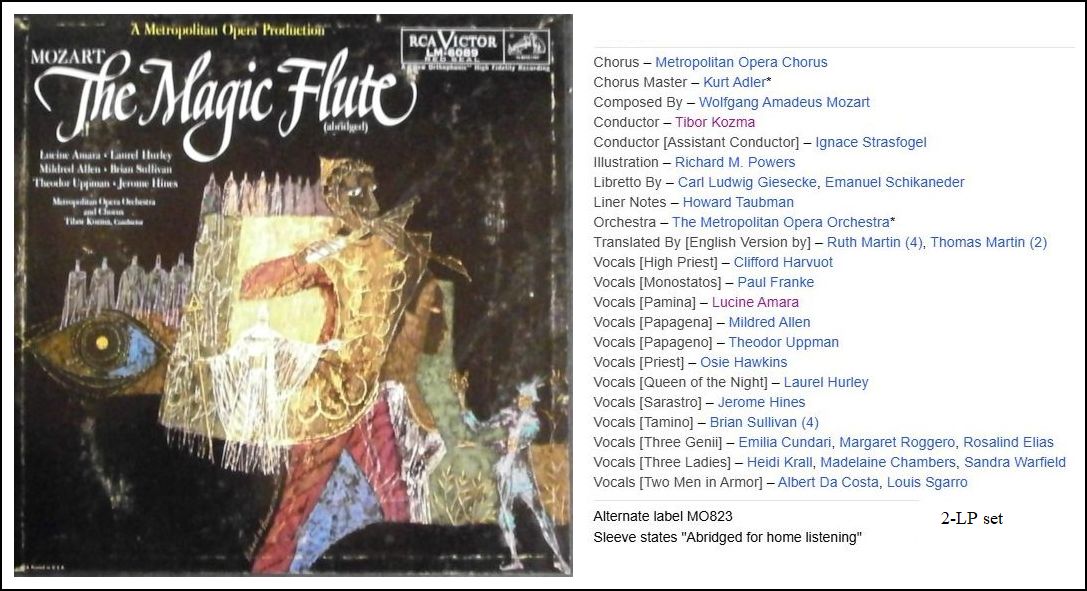
A Conversation with Bruce Duffie
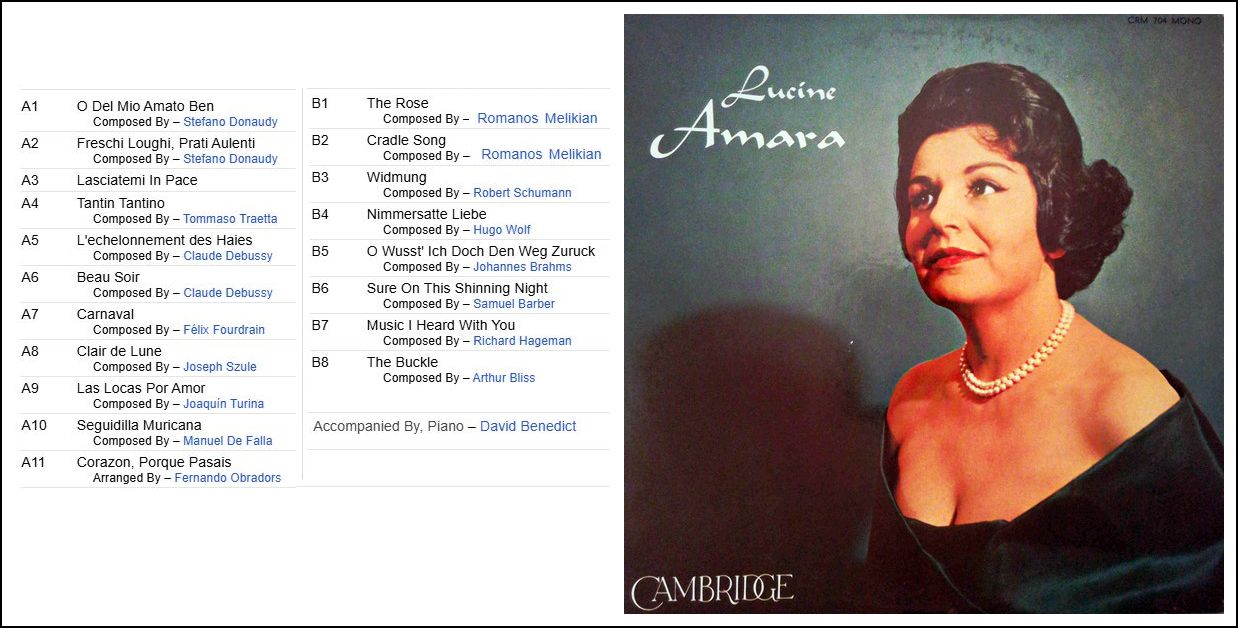
| Lucine Amara (born Lucine Tockqui Armaganian;
March 1, 1925 – September 6, 2024) was an American soprano who was
chiefly based at the Metropolitan Opera in New York. She was born in
Hartford, Connecticut to Armenian immigrant parents who had survived
the Armenian genocide. She grew up in San Francisco, and studied at
the San Francisco Community Music Center under Stella Eisner-Eyn and
sang (initially as a contralto before her voice gradually rose) in the
chorus of the San Francisco Opera, 1945–46. In 1946, Amara made her concert debut at the War Memorial Opera House. Continuing her studies at the Music Academy of the West with Richard Bonelli in 1947, she won a contest to appear at the Hollywood Bowl in 1948. She continued as a student at the University of Southern California, and as a soloist for the San Francisco Symphony for the following two years. Amara appeared in the title role of Ariadne auf Naxos and as Lady Billows in Britten's Albert Herring in 1949.  Amara made her Metropolitan Opera debut as the "Voice from
Heaven" in Verdi's Don Carlos, the opening night of Sir
Rudolf Bing's inaugural season as general manager, on November 6, 1950.
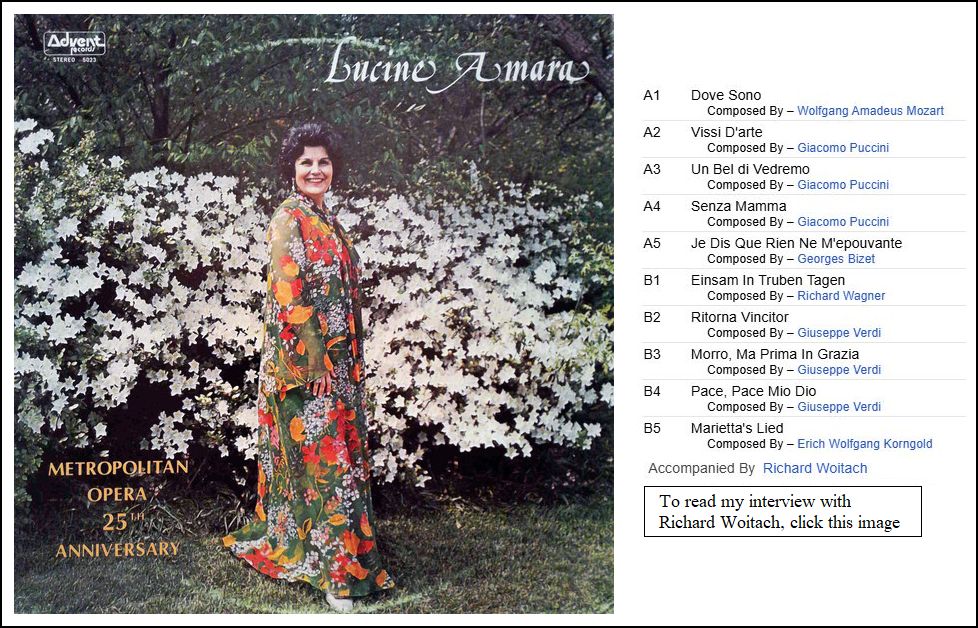
She continued at the Met over the course of 41 seasons until 1991, singing
56 roles in 882 appearances, nearly 60 of which were broadcast on radio
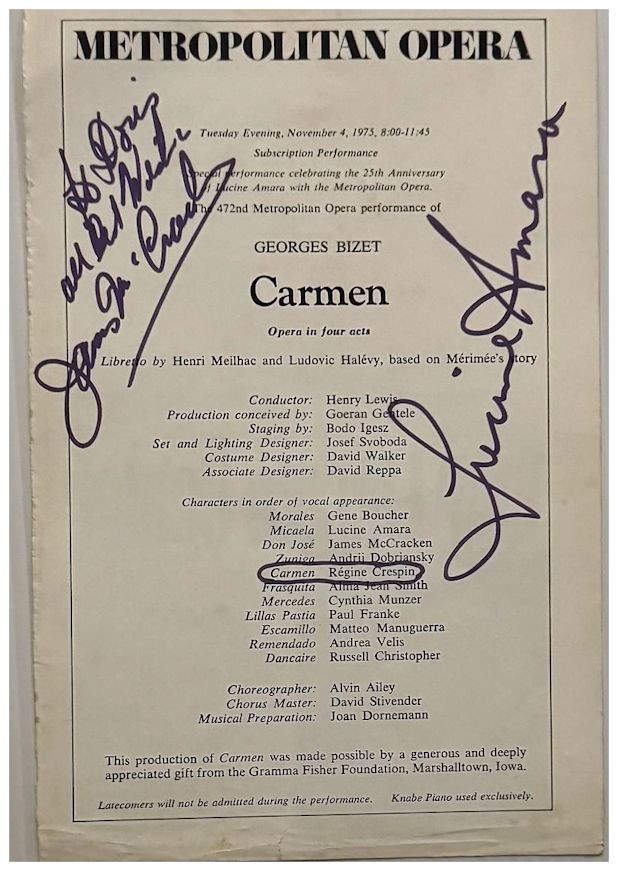
and television. Appearing regularly as Micaëla in Carmen, Cio-Cio-San
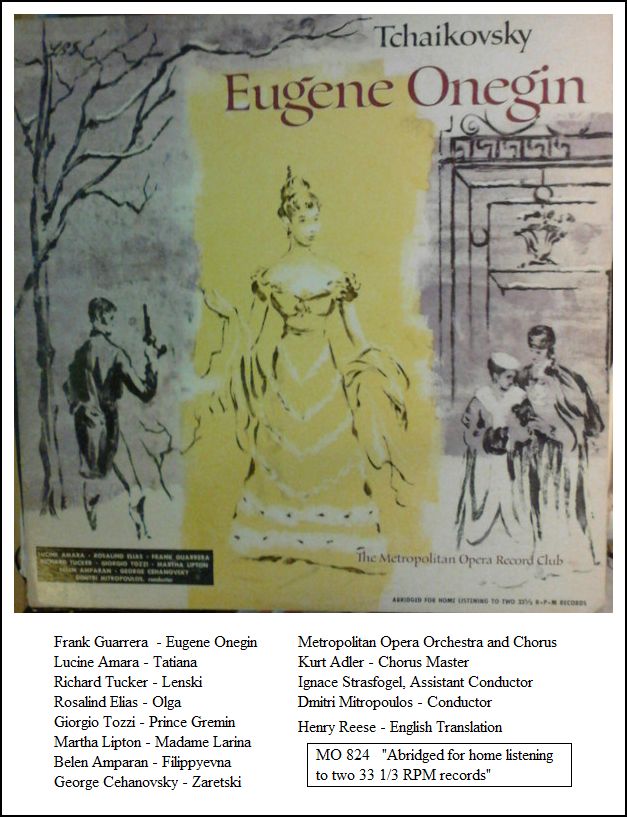
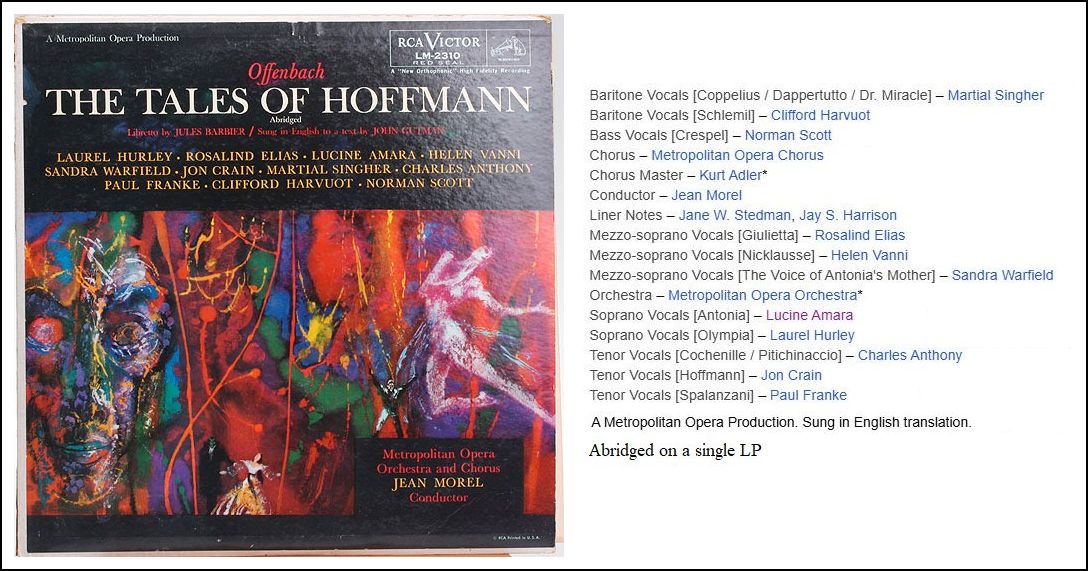
in Madama Butterfly, Tatiana in Eugene Onegin, Antonia in
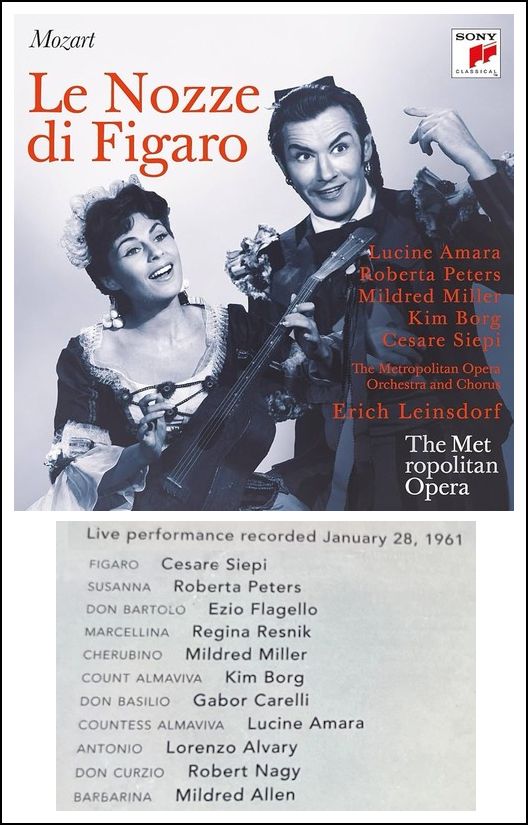
Les contes d'Hoffmann, Donna Elvira in Don Giovanni,
Nedda in Pagliacci, Mimì in La bohème, her
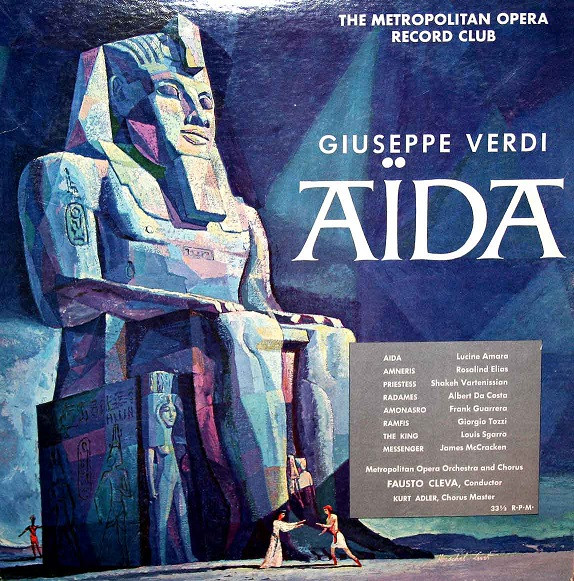
repertoire also included Leonora in Il trovatore and Aïda.
Amara made her Metropolitan Opera debut as the "Voice from
Heaven" in Verdi's Don Carlos, the opening night of Sir
Rudolf Bing's inaugural season as general manager, on November 6, 1950.
She continued at the Met over the course of 41 seasons until 1991, singing
56 roles in 882 appearances, nearly 60 of which were broadcast on radio
and television. Appearing regularly as Micaëla in Carmen, Cio-Cio-San
in Madama Butterfly, Tatiana in Eugene Onegin, Antonia in
Les contes d'Hoffmann, Donna Elvira in Don Giovanni,
Nedda in Pagliacci, Mimì in La bohème, her
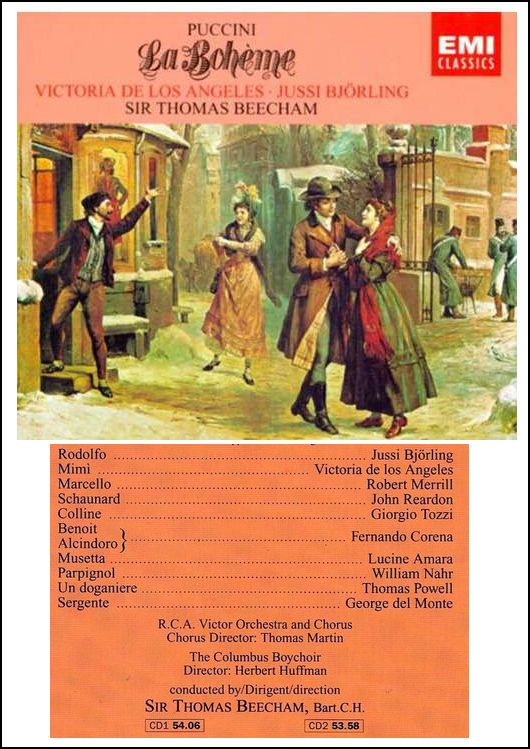
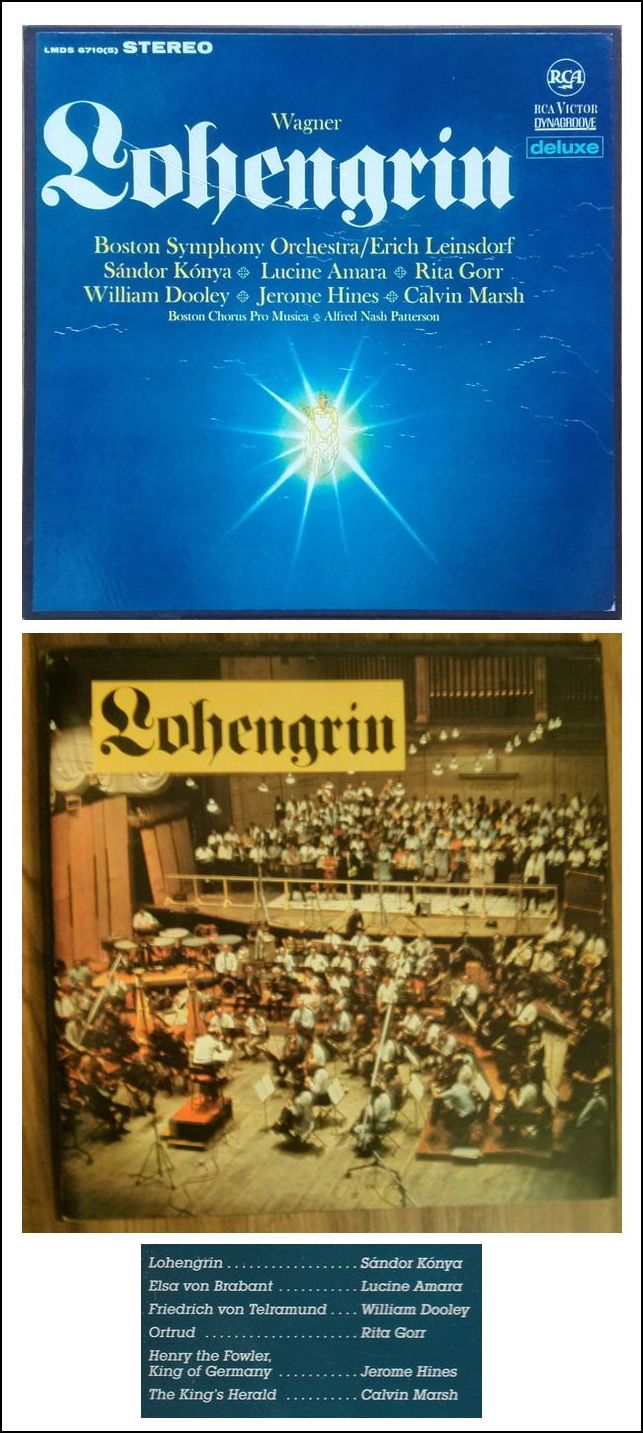
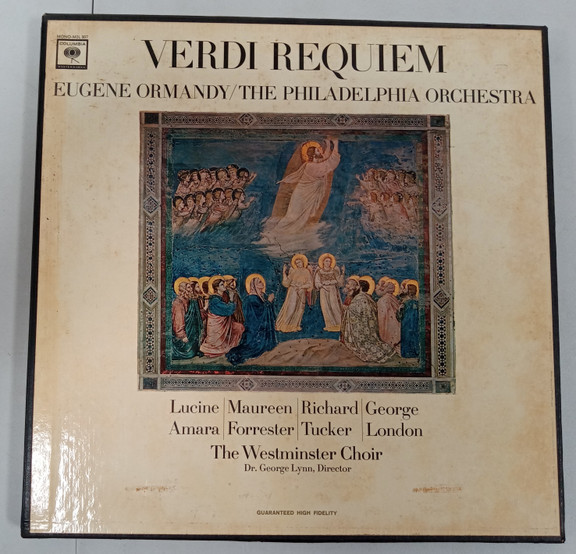
repertoire also included Leonora in Il trovatore and Aïda.In the mid-1970s, Amara was given only a 'cover' contract – essentially a contract to be a stand-by for an indisposed singer – and was scheduled for fewer and fewer performances. In 1976 at the age of 51, she successfully sued the Met for age discrimination, but sang only sporadically with the company after that, and was absent from the roster from 1977 until 1981, when she was given a new contract. In the last years of her Met career, she sang only one or two performances a season (one performance each in 1985, 1986, 1988, 1989 and 1991, and two in 1987; the 1985 performance took place at the Kennedy Center where the Met was on tour; the 1986 performance was presented by the Met in Brooklyn's Prospect Park). Amara did not appear with the company at its Lincoln Center home between 1983 and 1987. Amara also performed in Europe, Asia, and South America, including at Glyndebourne (1954–55, 1957–58), the Edinburgh Festival (1954), the Vienna State Opera (1960), Russia (1965), and China (1983). Amara made a few recordings, notably as Musetta in La bohème under Thomas Beecham, and as Elsa in Lohengrin under Erich Leinsdorf. She recorded the role of Nedda in Pagliacci three times, and also recorded Verdi's Messa da Requiem. After retiring, Amara became the artistic director of the New Jersey Association of Verismo and taught master classes in the United States, Canada and Mexico. On January 23, 2005, she performed as a special guest artist with the Musica Bella Orchestra. The Times called Amara "the greatest lyric soprano of our time". Time Magazine wrote that "she brought to the stage the kind of dazzling vocal splendor that made the Met famous". In 1989 she was inducted into the Academy of Vocal Arts Hall of Fame. == Names which are links in this box and below
refer to my interviews elsewhere on my website. BD
|
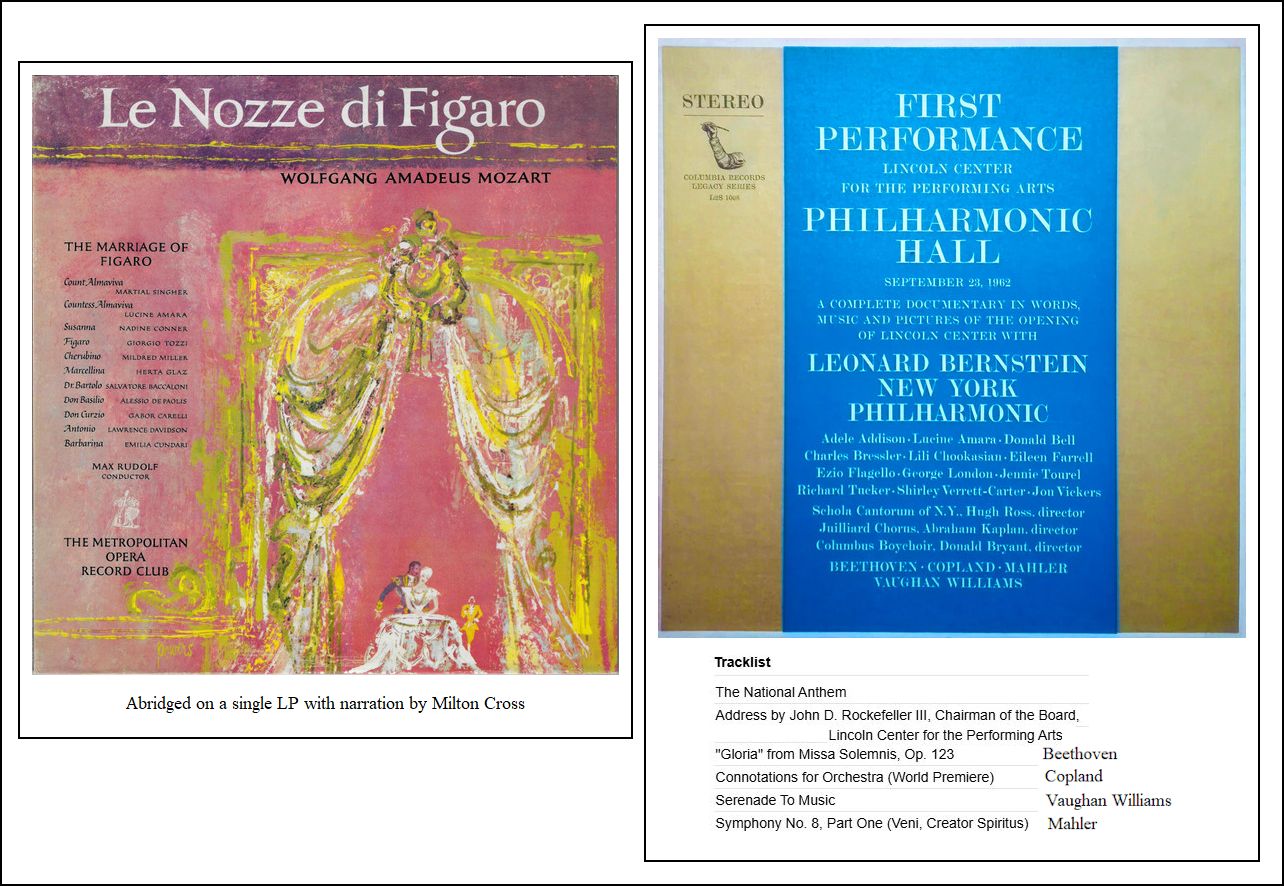
See my interviews with Martial Singher, Herta Glaz, Shirley Verrett(-Carter),
and Jon Vickers
© 1983 Bruce Duffie
This conversation was recorded on the telephone on December 13, 1983. Portions were broadcast on WNIB in 1990, and again in 1995 and 2000. This transcription was made in 2026, and posted on this website at that time. My thanks to British soprano Una Barry for her help in preparing this website presentation.
To see a full list (with links) of interviews which have been transcribed and posted on this website, click here. To read my thoughts on editing these interviews for print, as well as a few other interesting observations, click here.
Award - winning broadcaster Bruce Duffie was with WNIB, Classical 97 in Chicago from 1975 until its final moment as a classical station in February of 2001. His interviews have also appeared in various magazines and journals since 1980, and he continued his broadcast series on WNUR-FM, as well as on Contemporary Classical Internet Radio.
You are invited to visit his website for more information about his work, including selected transcripts of other interviews, plus a full list of his guests. He would also like to call your attention to the photos and information about his grandfather, who was a pioneer in the automotive field more than a century ago. You may also send him E-Mail with comments, questions and suggestions.