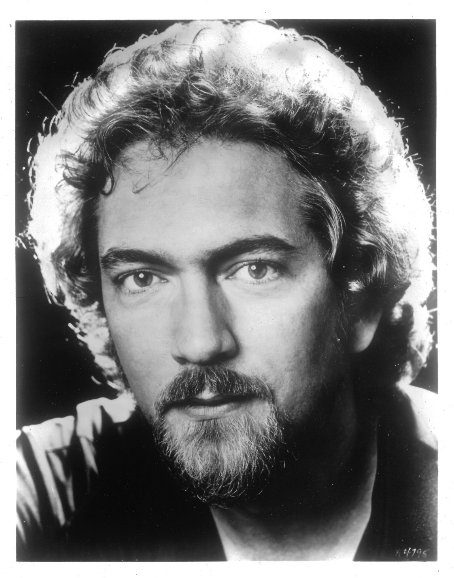
| Hailed by The New York Times as
"representative of the best type of American singing actor," Richard Stilwell
has appeared regularly with the major opera companies of the United States
and Europe. His performances have taken him to La Scala, Covent Garden,
the Paris Opera, Deutsche Oper Berlin, the Vienna Staatsoper, Teatro de
la Zarzuela Madrid, the Holland Festival, and Glyndebourne Festival, as
well as the San Francisco, Los Angeles, Dallas, Chicago, Washington, St.
Louis, Seattle, and Metropolitan Operas in the United States. Stilwell has
collaborated with Leopold Stokowski, Aaron Copland, Leonard Bernstein, James Levine, Zubin Mehta, Seiji Ozawa,
Sir Colin Davis, André
Previn, James Conlon,
and Lorin Maazel. His
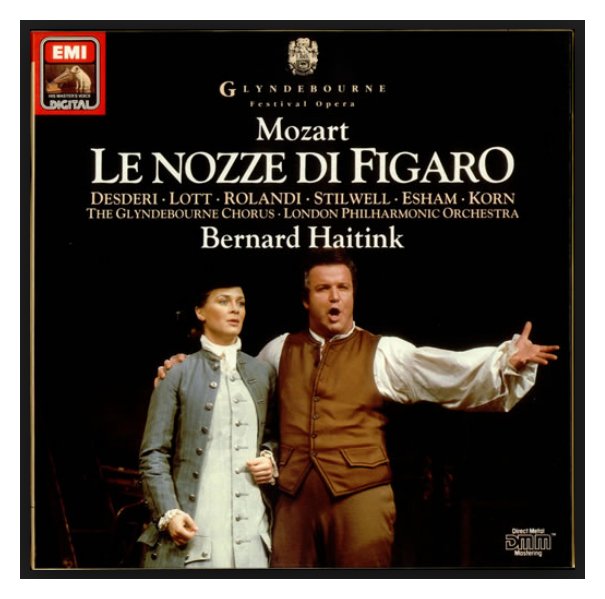
recordings include “Le nozze di Figaro”
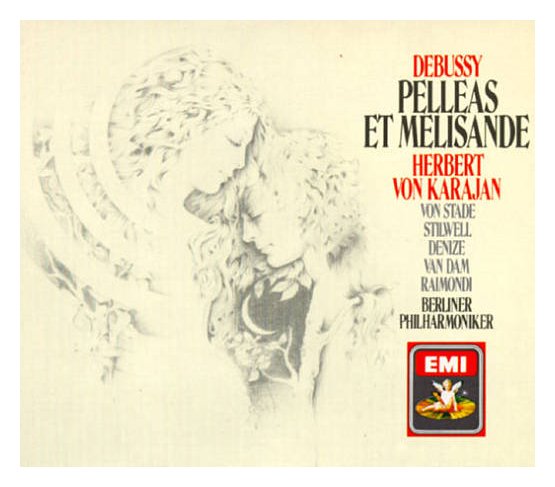
(Haitink), “Pelléas et Mélisande” (von
Karajan), the CBS “Il ritorno d’Ulisse
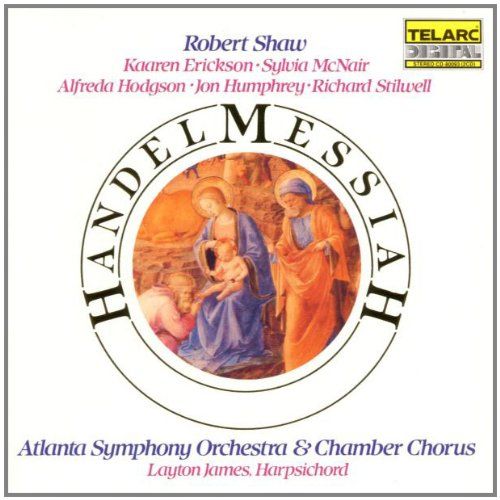
in patria” by Monteverdi, and both “Messiah” and the Brahms’ “Ein deutsches Requiem” with the Atlanta
Symphony (Robert Shaw).
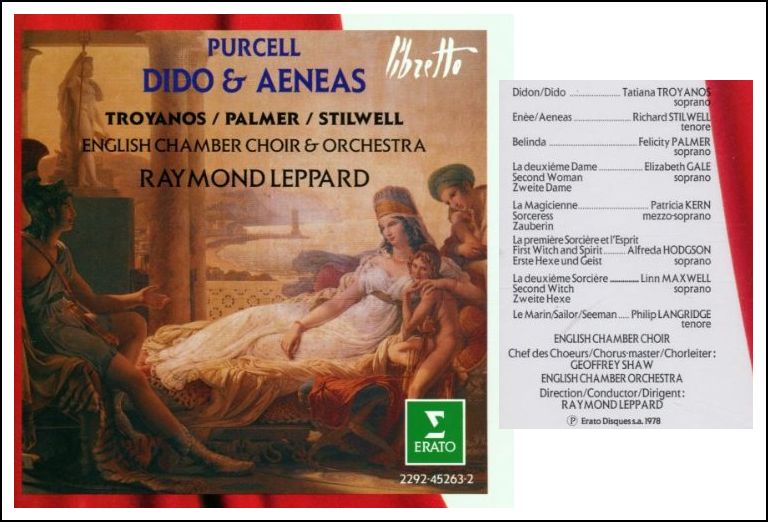
Stilwell also appears in the Unitel film of “Falstaff” with Sir Georg Solti, and on
the soundtrack of the Academy award winning film, “Amadeus”. [Note:
Names which are links refer to interviews with Bruce Duffie elsewhere on
this website.]
|
 Richard Stilwell: Oh, yeah? I have cats, too.
I’m a cat person.
Richard Stilwell: Oh, yeah? I have cats, too.
I’m a cat person.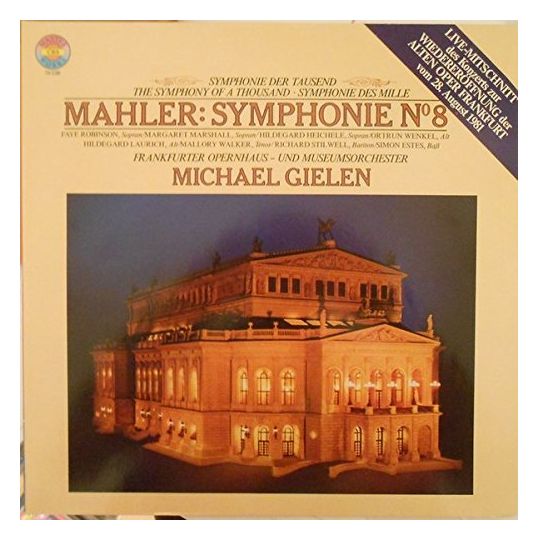 BD: Do you find that contemporary opera is split
into two — the kind that’s singable and
the kind that’s not singable?
BD: Do you find that contemporary opera is split
into two — the kind that’s singable and
the kind that’s not singable?Richard Stilwell at Lyric Opera of Chicago
1972 - Pelléas et Mélisande (Pelléas) with Pilou, Petri, Arié; Fournet 1975 - Orfeo ed Euridice (Orfeo) with Cotrubas, Zilio; Fournet 1977 - Orfeo ed Euridice (Orfeo) with Shade, Zilio; Fournet Barber of Seville (Figaro) with Ewing, Alva, Montarsolo, Desderi; Bellugi; Gobbi (Director) Callas Tribute Concert with Neblett, Vickers, Gobbi, Bartoletti, Fournet, and others 1978 - Don Pasquale (Malatesta) with Evans, Blegen, Kraus; Pritchard 1979 - [Opening Night] Faust (Valentin) with Freni, Ghiaurov, Kraus; Prȇtre 1980 - Don Giovanni (Giovanni) with Tomowa-Sintow, Neblett, Dean, Winkler; Pritchard, Ponnelle (Production Designer and Director) Italian Earthquake Relief Benefit Concert with Battle, Buchanan, Nucci, Scotto, Troyanos, and others 1982 - Così fan Tutte (Guglielmo) with Yakar, Howells, Winbergh/Negrini; Rudel, Sciutti (Director) 1985-86 - Madama Butterfly (Sharpless) with Tomowa-Sintow, Dvorský, Zilio, Doss, Del Carlo; Gomez-Martinez, Prince (Director) 1990-91 The Voyage of Edgar Allan Poe [by Dominic Argento] (Griswold) with Kaasch, Swenson, Futural; Keeene, Galati (Director), Conklin (Sets) 1991-92 - Madama Butterfly (Sharpless) with Malfitano, Leech, Romanò; Gatti, Prince (Director) 2011-12 - Magic Flute (Speaker) with Cabell, Castronovo/Shrader, Degout, Luna, Groissböck/Boyer; Davis, Everding (Original Production) -- [Note: In several of these productions,
the ballet was directed by Maria Tallchief, and
the lighting was designed by Duane Schuler]
|
 RS: We actually sat down and decided that at
the expense of a couplet sounding ludicrous we would just strike the rhyming
altogether and get to the sense of the words and the drama and what was happening.
You don’t want titters and guffaws in the audience when it’s meant to be
dramatic silence, and this has happened sometimes! So, it’s a problem.
It really is a problem. I understand some of Andrew Porter’s translations
are very good.
RS: We actually sat down and decided that at
the expense of a couplet sounding ludicrous we would just strike the rhyming
altogether and get to the sense of the words and the drama and what was happening.
You don’t want titters and guffaws in the audience when it’s meant to be
dramatic silence, and this has happened sometimes! So, it’s a problem.
It really is a problem. I understand some of Andrew Porter’s translations
are very good. 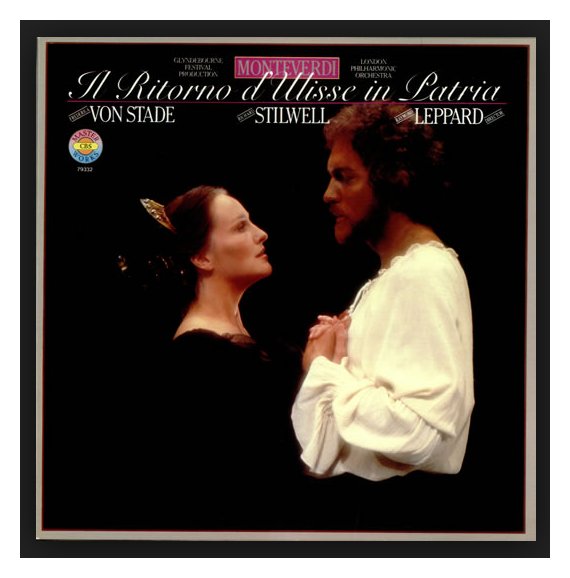 BD:
Do you think that the works of Monteverdi speak to us today?
BD:
Do you think that the works of Monteverdi speak to us today?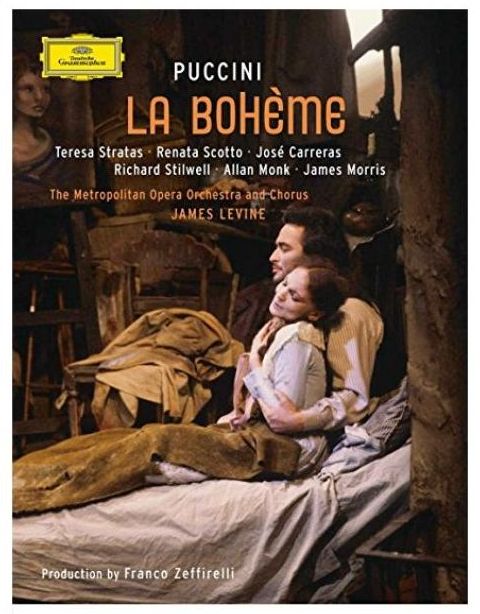 BD:
So you will try an experiment?
BD:
So you will try an experiment?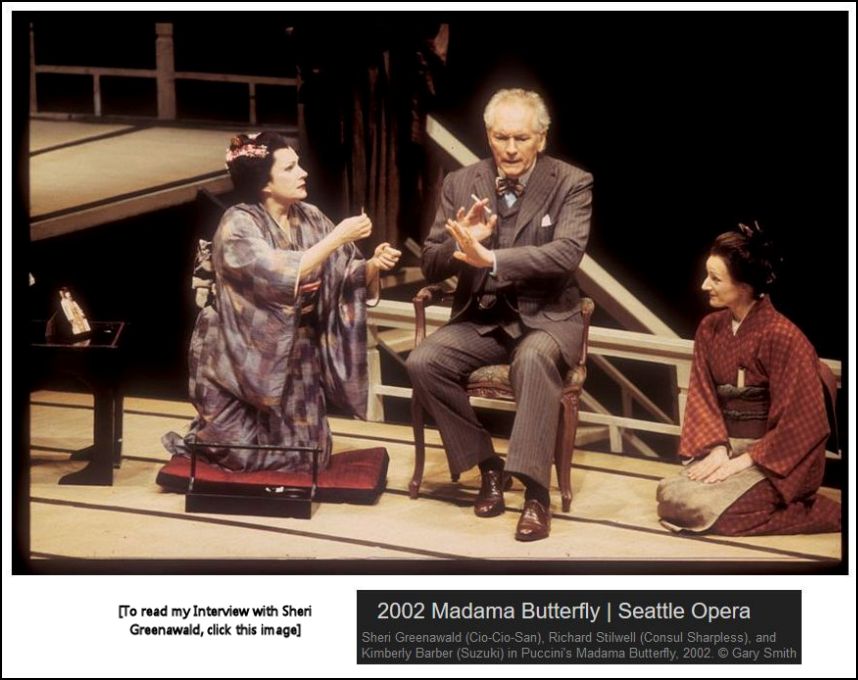
 RS: Yes, you really do! I don’t know about
Butterfly, but as far as versions
I was thinking of Don Giovanni because
there’s the version where the opera ends at Giovanni’s death. As far
as I know, they still perform it that way in Vienna. It became tradition
during Mozart’s time to do that, but everywhere else in the world, it would
be unthinkable to end the piece there. But I don’t think that I would
have the right to come into Vienna, for instance, and say, “You ought to
change tradition and do what the rest of the world is doing, and finish the
opera with the epilogue.” On the other hand, I think it would be wrong
for any other opera house not to do the complete work.
RS: Yes, you really do! I don’t know about
Butterfly, but as far as versions
I was thinking of Don Giovanni because
there’s the version where the opera ends at Giovanni’s death. As far
as I know, they still perform it that way in Vienna. It became tradition
during Mozart’s time to do that, but everywhere else in the world, it would
be unthinkable to end the piece there. But I don’t think that I would
have the right to come into Vienna, for instance, and say, “You ought to
change tradition and do what the rest of the world is doing, and finish the
opera with the epilogue.” On the other hand, I think it would be wrong
for any other opera house not to do the complete work. 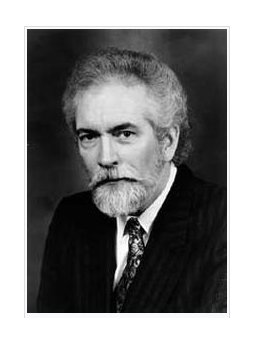 RS: Yes, definitely! It’s very encouraging,
in fact, because there are so many more opera houses now than there were
ten years ago. I’ve been singing professionally going on eleven years
now, and it was much more difficult to get work when I was starting.
Wonderful things are being done now by several opera companies all over the
United States, ones that have sprung up and have proven themselves very artistic
and very worthwhile endeavors. For instance, I couldn’t believe the
number of music festivals this summer that were going on in the United States.
I picked up a copy of Opera News
and paged through all of the festivals, and that was really heartening to
see. Some of them are only a couple of weeks, but nevertheless there
is opportunity there, and there is more and more opportunity for young singers.
Of course, there are more young singers coming along, but there’s no one
way to do it. I would say that a young singer should enter contests.
It’s going to be deflating at times, and yet you’ll grow from it.
When I entered the WGN contest here in Chicago, back when I was at Indiana
University, I came up here two or three times. It had taken quite
a while and some preparation. I made the semi-finals and then I was
in the finals, but I didn’t win anything. I didn’t win any prizes,
but I was presented with a WGN keychain. [Laughs] That was all
I’d come away with for this endeavor. Nevertheless, I grew from it,
and I think it’s important. I was put off by that, but I came back
and won a prize in the Met auditions other ones. After even the Met
auditions, I entered another contest and I lost, and I didn’t get anything
from it. But these things are important, I think.
RS: Yes, definitely! It’s very encouraging,
in fact, because there are so many more opera houses now than there were
ten years ago. I’ve been singing professionally going on eleven years
now, and it was much more difficult to get work when I was starting.
Wonderful things are being done now by several opera companies all over the
United States, ones that have sprung up and have proven themselves very artistic
and very worthwhile endeavors. For instance, I couldn’t believe the
number of music festivals this summer that were going on in the United States.
I picked up a copy of Opera News
and paged through all of the festivals, and that was really heartening to
see. Some of them are only a couple of weeks, but nevertheless there
is opportunity there, and there is more and more opportunity for young singers.
Of course, there are more young singers coming along, but there’s no one
way to do it. I would say that a young singer should enter contests.
It’s going to be deflating at times, and yet you’ll grow from it.
When I entered the WGN contest here in Chicago, back when I was at Indiana
University, I came up here two or three times. It had taken quite
a while and some preparation. I made the semi-finals and then I was
in the finals, but I didn’t win anything. I didn’t win any prizes,
but I was presented with a WGN keychain. [Laughs] That was all
I’d come away with for this endeavor. Nevertheless, I grew from it,
and I think it’s important. I was put off by that, but I came back
and won a prize in the Met auditions other ones. After even the Met
auditions, I entered another contest and I lost, and I didn’t get anything
from it. But these things are important, I think.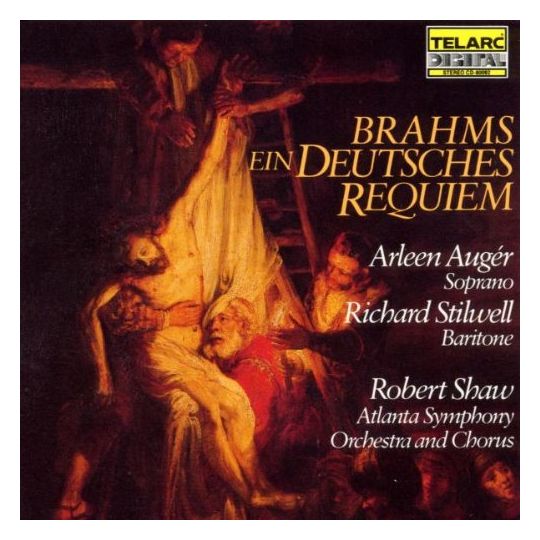 RS: No, this is true. I don’t know how
that is reached. I only know that quite often it becomes frustrating,
because people want to try at least to go as far as possible. You
might get into a situation where, after several years, you become known
for your comprimario roles. Andrea Velis, for instance, has done about
seventy-five different roles at the Met and is ensconced there. That’s
what he’s noted for, but that’s pretty rare. But should they accept
smaller roles? That really is an unanswerable question. It depends
totally on the person. If they feel at the time that the experience
is important and invaluable to them, then I think they should accept it.
Perhaps it is good for a year or even two sometimes, to do this. I
only know that I’ve talked with some colleagues who had been stuck at the
Met doing smaller roles, and had felt that their artistic endeavors were
getting squashed. They were frustrated and so when their contract was
up they would leave. In some instances, after having sung and proved
themselves in other places, would come back and do major roles with the
Met, but if you’re going to wish for a major career, you can’t spend very
much time doing small roles in any house.
RS: No, this is true. I don’t know how
that is reached. I only know that quite often it becomes frustrating,
because people want to try at least to go as far as possible. You
might get into a situation where, after several years, you become known
for your comprimario roles. Andrea Velis, for instance, has done about
seventy-five different roles at the Met and is ensconced there. That’s
what he’s noted for, but that’s pretty rare. But should they accept
smaller roles? That really is an unanswerable question. It depends
totally on the person. If they feel at the time that the experience
is important and invaluable to them, then I think they should accept it.
Perhaps it is good for a year or even two sometimes, to do this. I
only know that I’ve talked with some colleagues who had been stuck at the
Met doing smaller roles, and had felt that their artistic endeavors were
getting squashed. They were frustrated and so when their contract was
up they would leave. In some instances, after having sung and proved
themselves in other places, would come back and do major roles with the
Met, but if you’re going to wish for a major career, you can’t spend very
much time doing small roles in any house.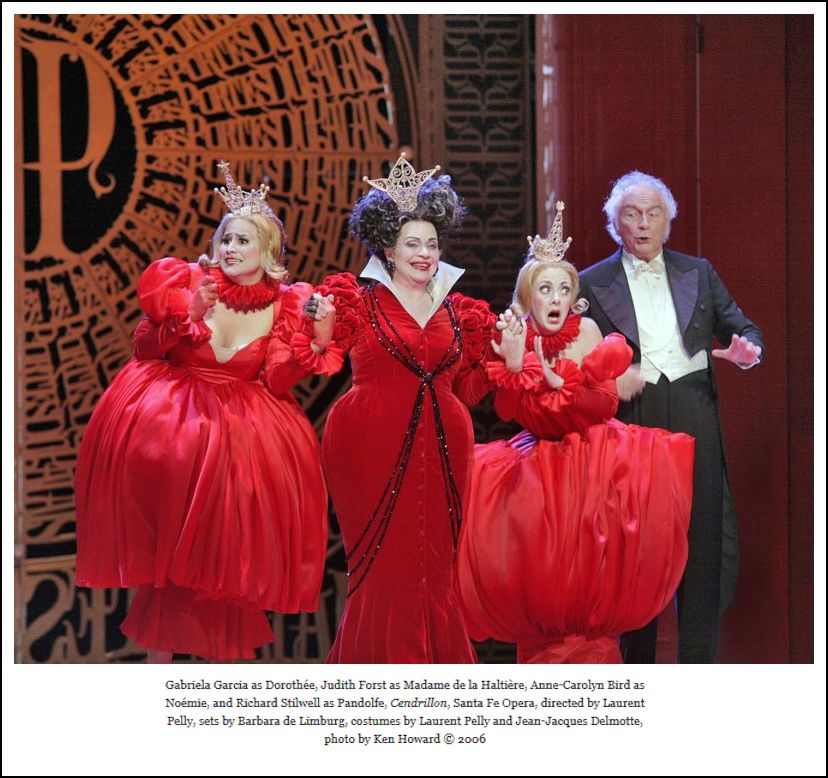
 BD: How much is it waiting for the right break?
 BD: It seems interesting, though, that you’re
coming into the standard repertoire really late, actually.
BD: It seems interesting, though, that you’re
coming into the standard repertoire really late, actually.This interview was recorded at WNIB in Chicago on October 10, 1980.
Portions (along with recordings) were used on WNIB in 1992 and
1997. A copy of the unedited audio was placed in the Archive of contemporary Music at Northwestern University. The transcription
was made and posted on this website in 2013.
To see a full list (with links) of interviews which have been transcribed and posted on this website, click here. To read my thoughts on editing these interviews for print, as well as a few other interesting observations, click here.
Award - winning broadcaster Bruce Duffie was with WNIB, Classical 97 in Chicago from 1975 until its final moment as a classical station in February of 2001. His interviews have also appeared in various magazines and journals since 1980, and he now continues his broadcast series on WNUR-FM, as well as on Contemporary Classical Internet Radio.
You are invited to visit his website for more information about his work, including selected transcripts of other interviews, plus a full list of his guests. He would also like to call your attention to the photos and information about his grandfather, who was a pioneer in the automotive field more than a century ago. You may also send him E-Mail with comments, questions and suggestions.