Two Conversations with Bruce Duffie
Paul Plishka (born August 28,
1941 in Old Forge, Pennsylvania), is known for a wide range of major and
supporting roles. Both his parents were American-born children of Ukrainian
immigrants. As a boy, he was interested in farming and football, but also
took guitar lessons. His teacher insisted that he learn to sing while playing,
so he would sing popular songs such as Love
is a Many-Splendored Thing. When his father moved to a new job in
Paterson, New Jersey, Paul, joined the school chorus. Soon, he was offered
the part of Judd Fry in the school production of Oklahoma! He was spotted by Armen Boyajian,
who was starting a local opera workshop. Plishka joined Boyajian's Paterson
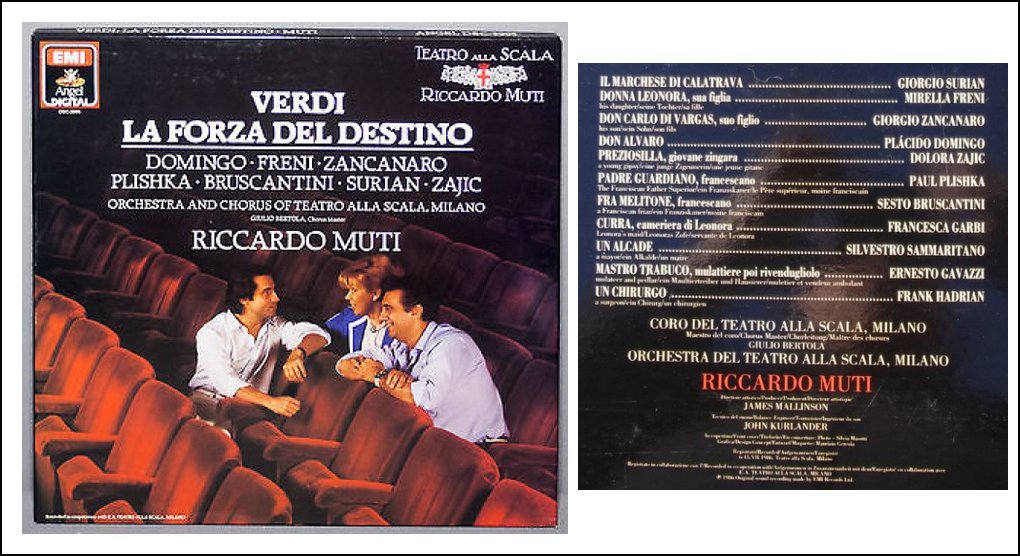
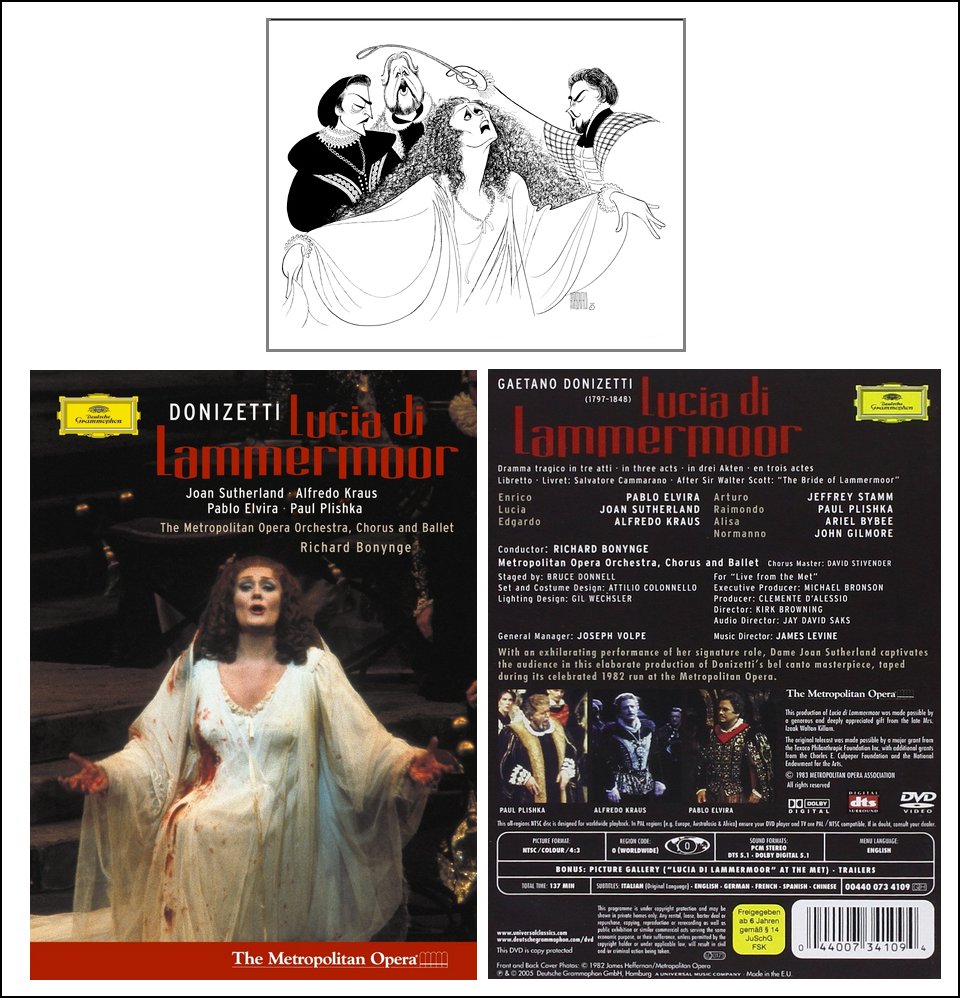
Lyric Opera Theatre.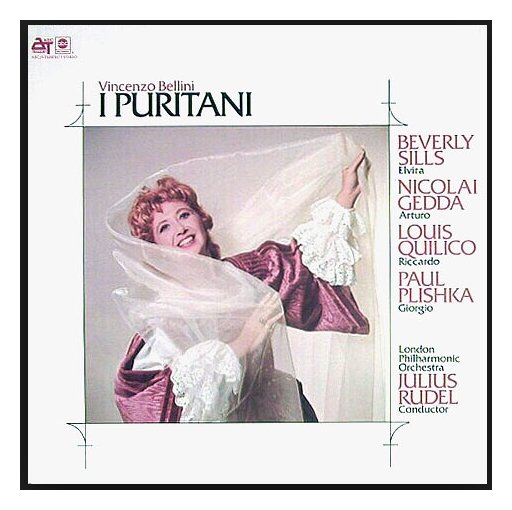 Paul Plishka sang major roles - Raimondo in Lucia di Lamermoor, Guardiano in La Forza del Destino, and King Philip
in Don Carlos - when he was only
21. Meanwhile, Boyajian taught him singing. Plishka was his first student,
and Boyajian was Plishka's only teacher. Plishka attended Montclair State
College in New Jersey, where he met his future wife, Judy. At the age of
23, he won the Baltimore Opera Auditions, and then won a prize in the Metropolitan
Opera Regional Auditions. This earned him a contract with the national touring
company of the Met during what turned out to be its final year. After that,
they offered him a contract to be a cover (understudy) singer in buffo parts.
He accepted the offer, becoming a member of the company in 1966 and debuting
on-stage as the Monk in La Gioconda
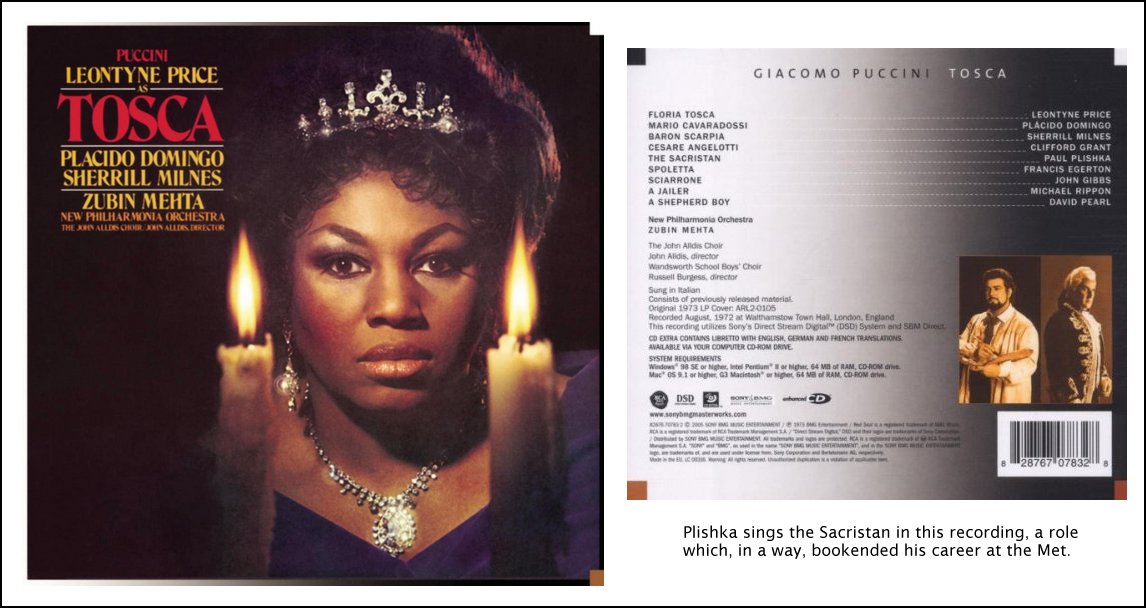
in 1967, followed by parts such as the Sacristan in Tosca and Benoit in La Bohème.
Paul Plishka sang major roles - Raimondo in Lucia di Lamermoor, Guardiano in La Forza del Destino, and King Philip
in Don Carlos - when he was only
21. Meanwhile, Boyajian taught him singing. Plishka was his first student,
and Boyajian was Plishka's only teacher. Plishka attended Montclair State
College in New Jersey, where he met his future wife, Judy. At the age of
23, he won the Baltimore Opera Auditions, and then won a prize in the Metropolitan
Opera Regional Auditions. This earned him a contract with the national touring
company of the Met during what turned out to be its final year. After that,
they offered him a contract to be a cover (understudy) singer in buffo parts.
He accepted the offer, becoming a member of the company in 1966 and debuting
on-stage as the Monk in La Gioconda
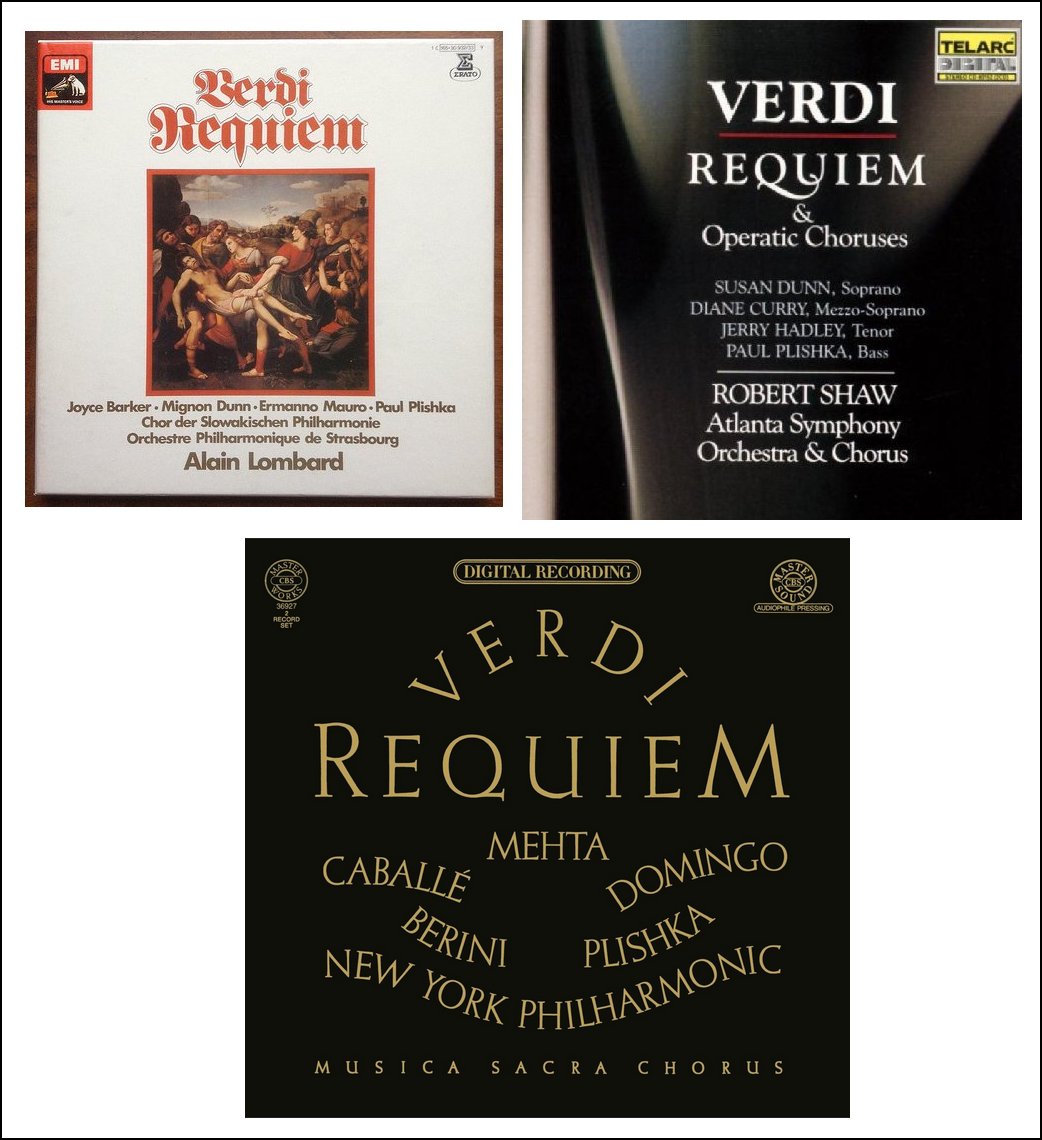
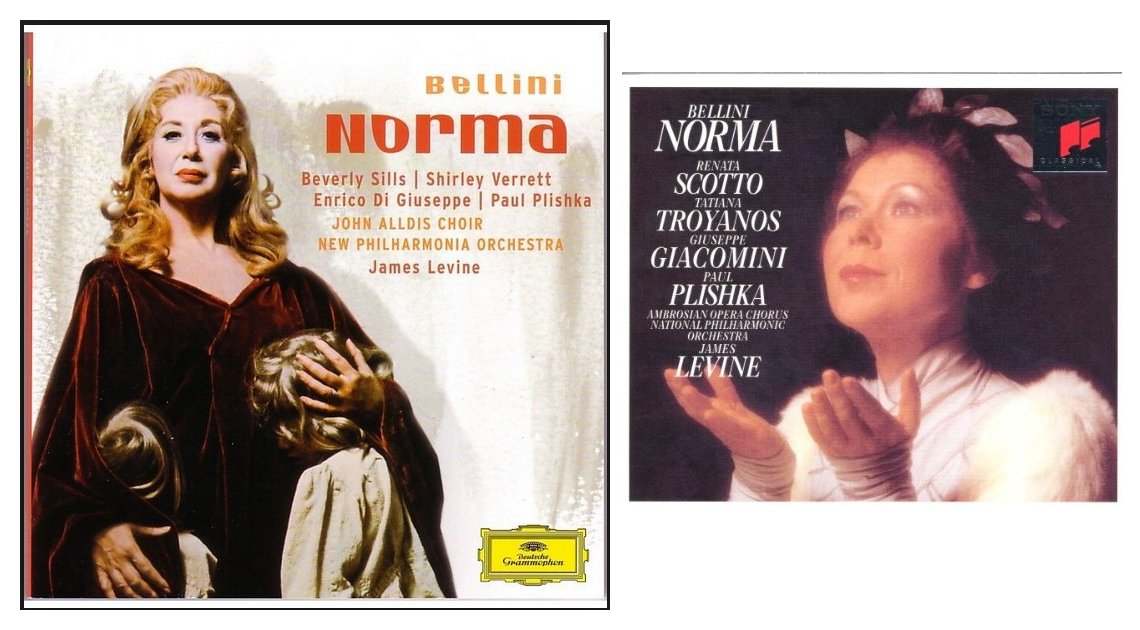
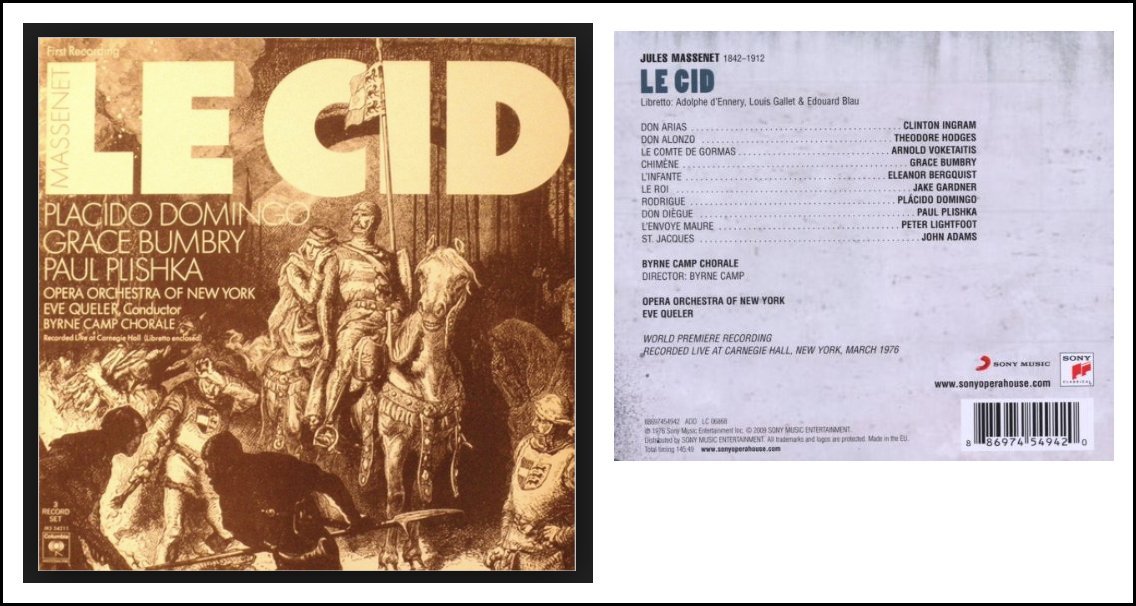
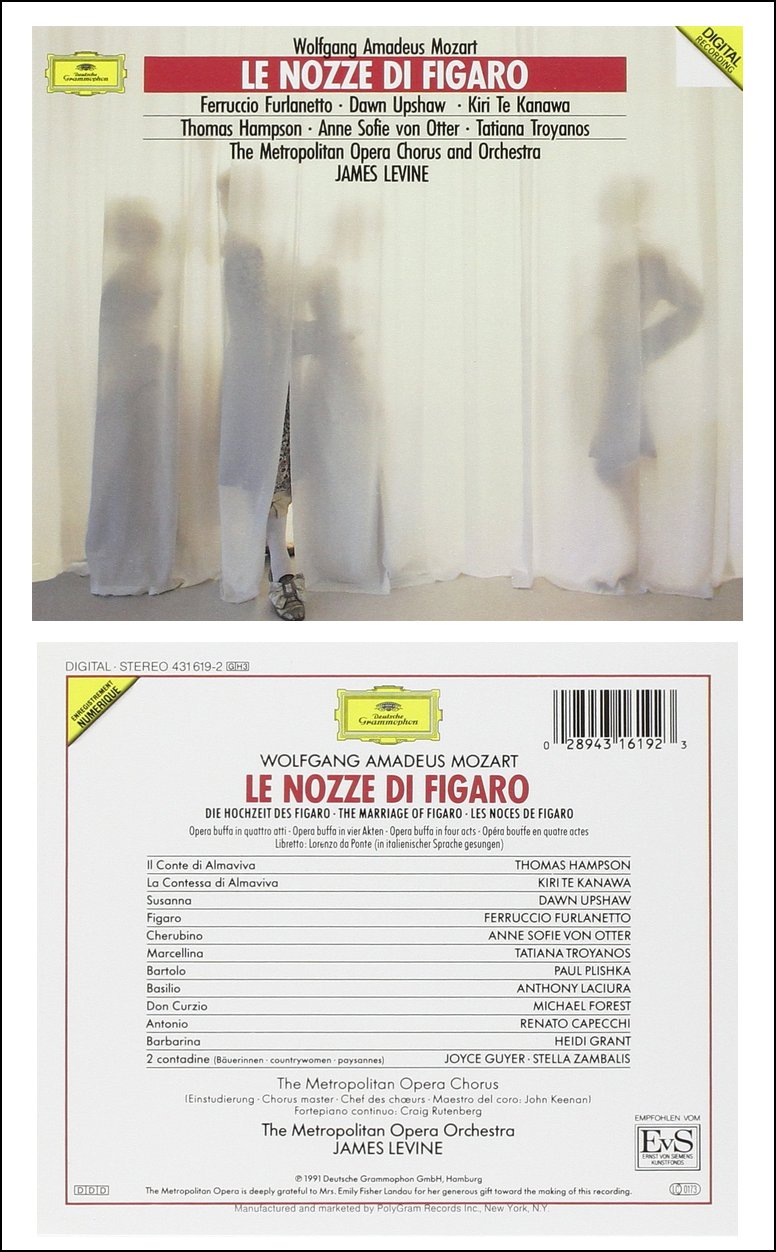
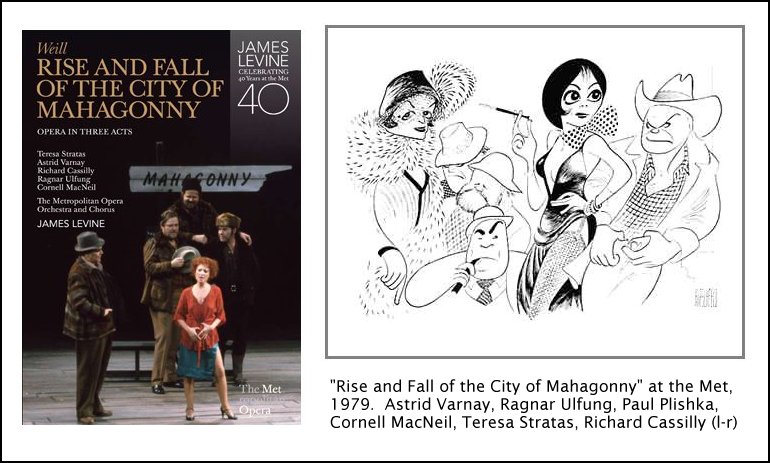
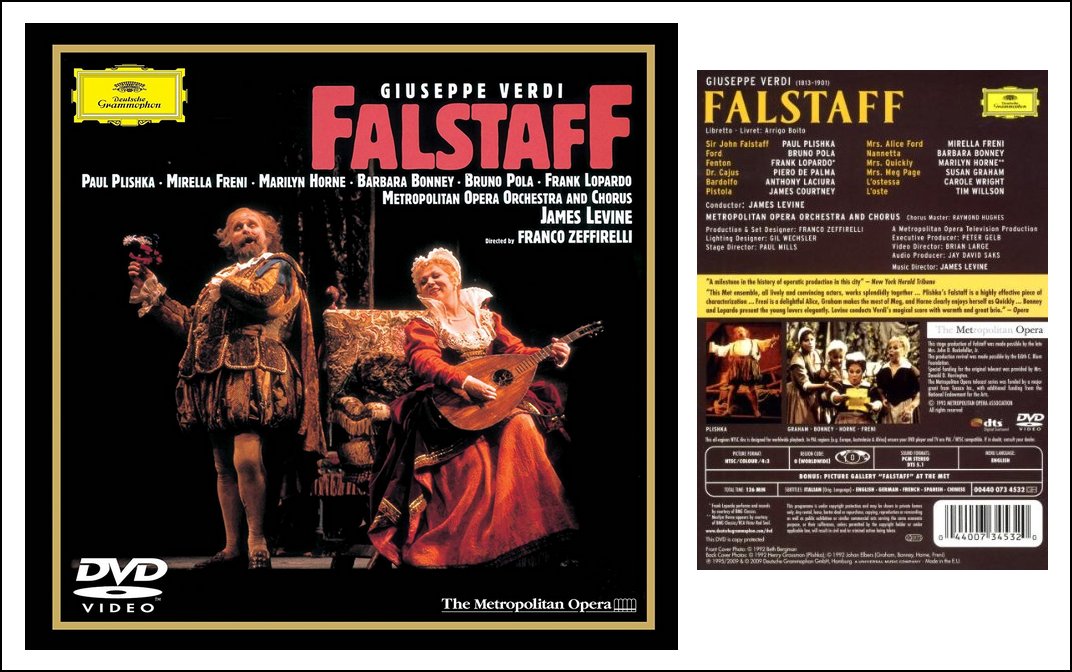
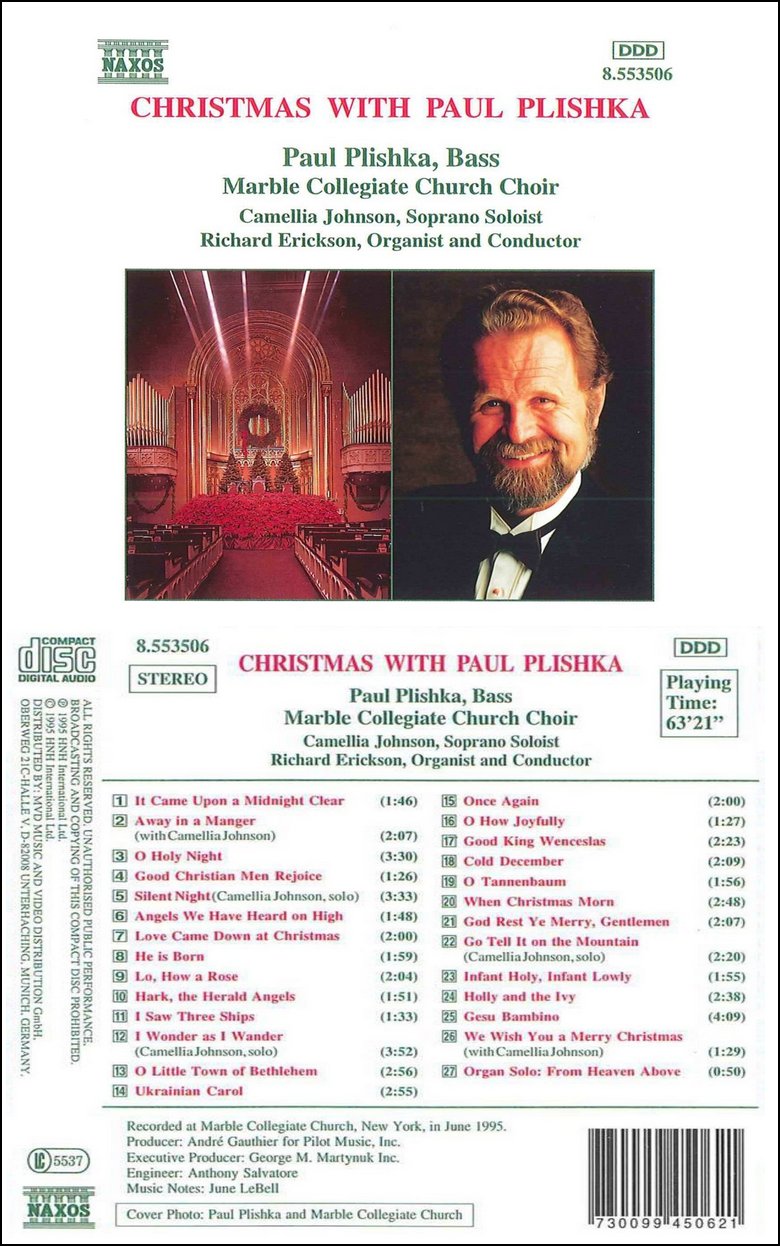
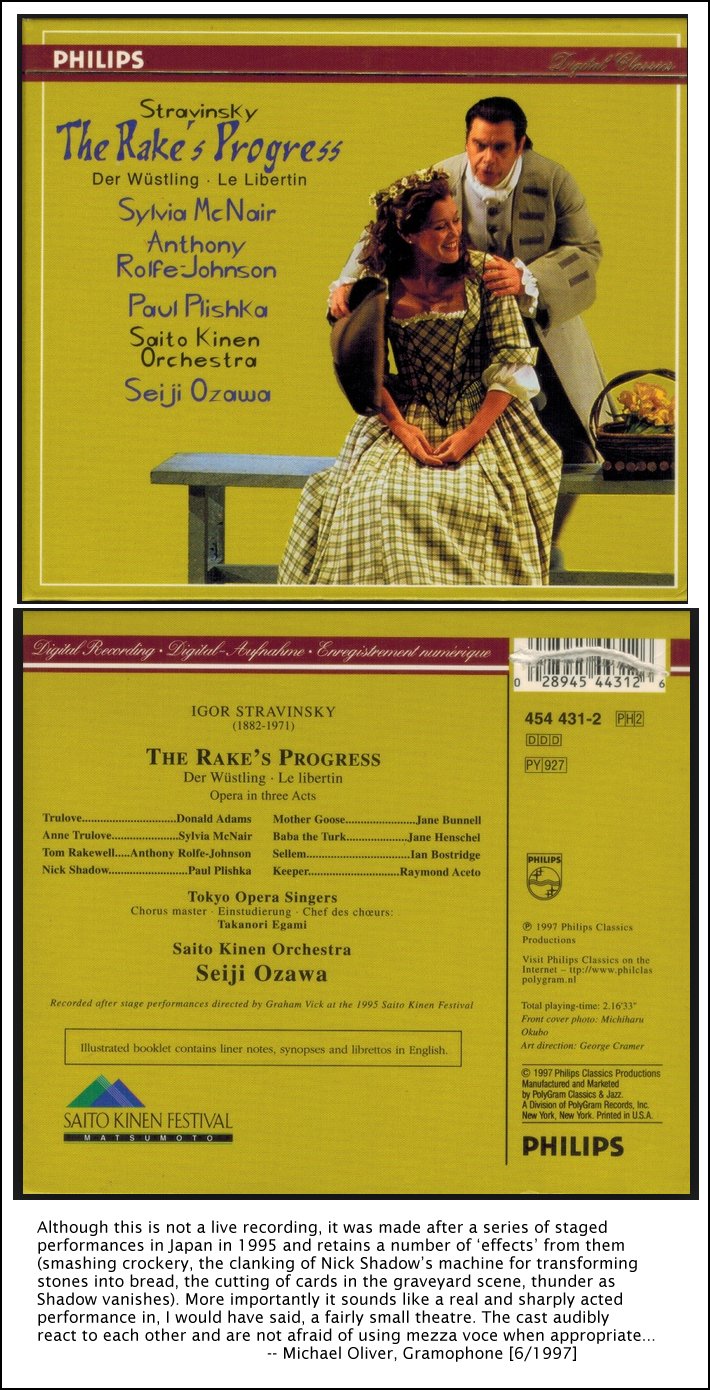
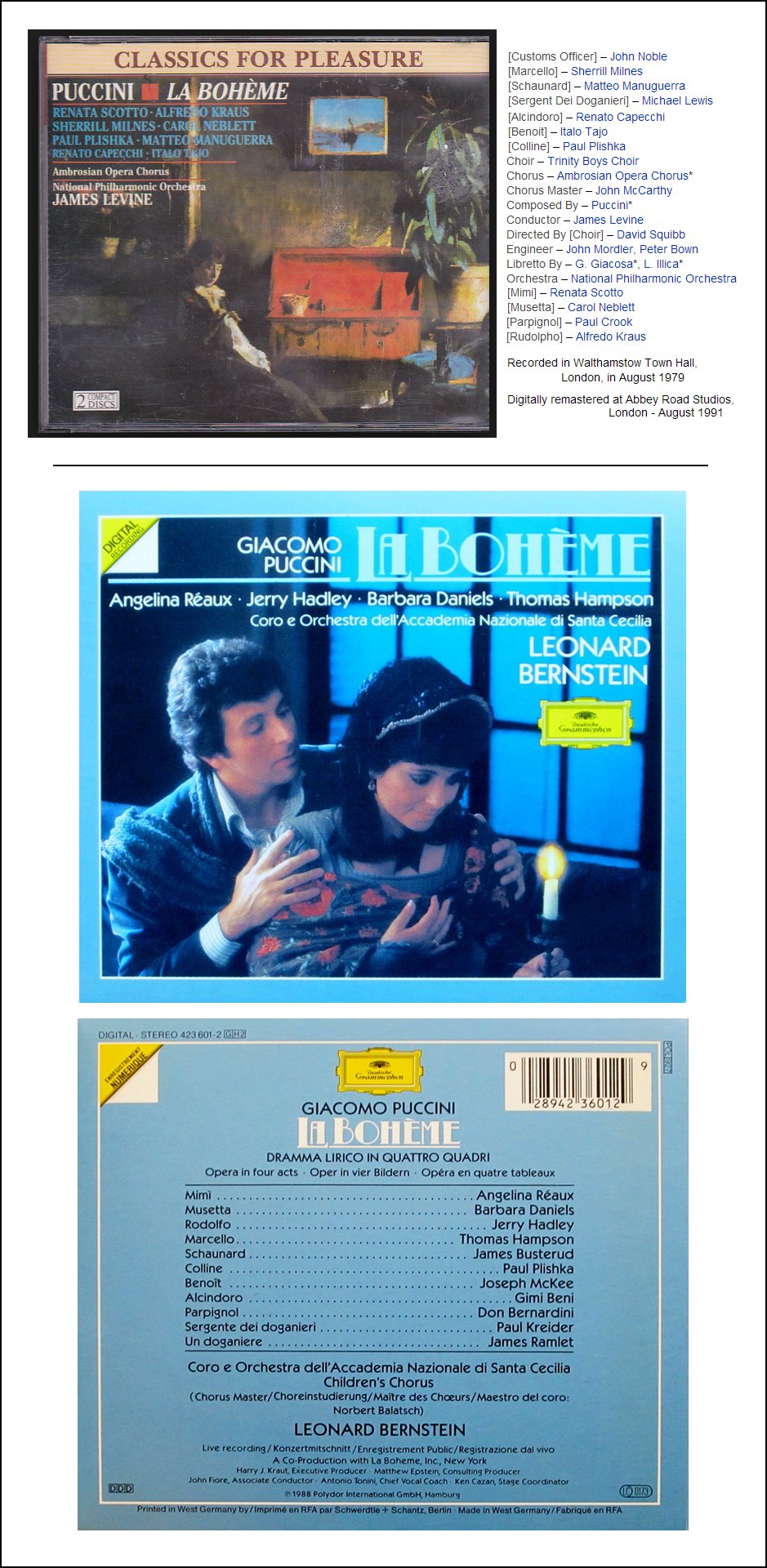
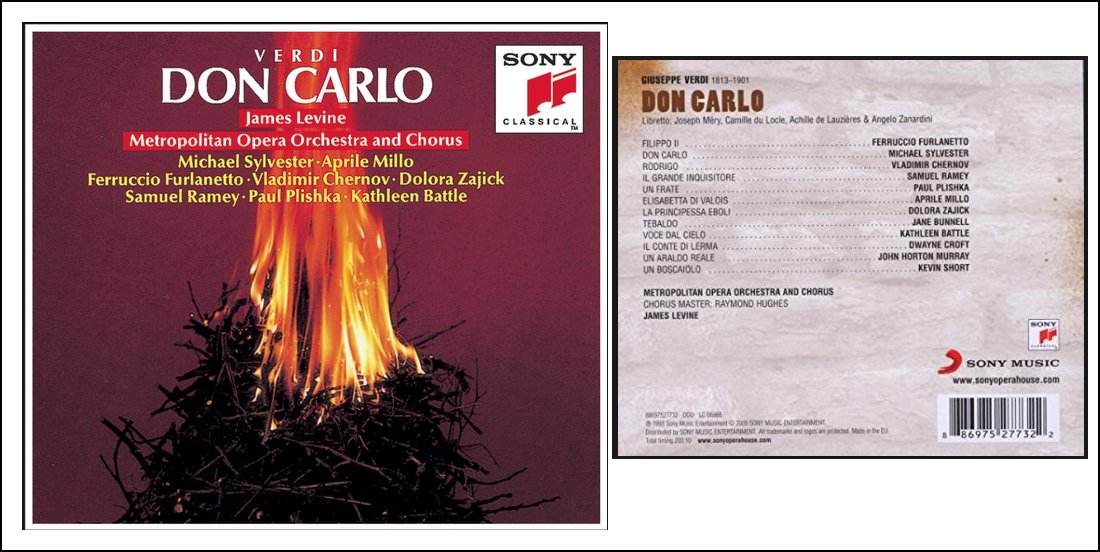
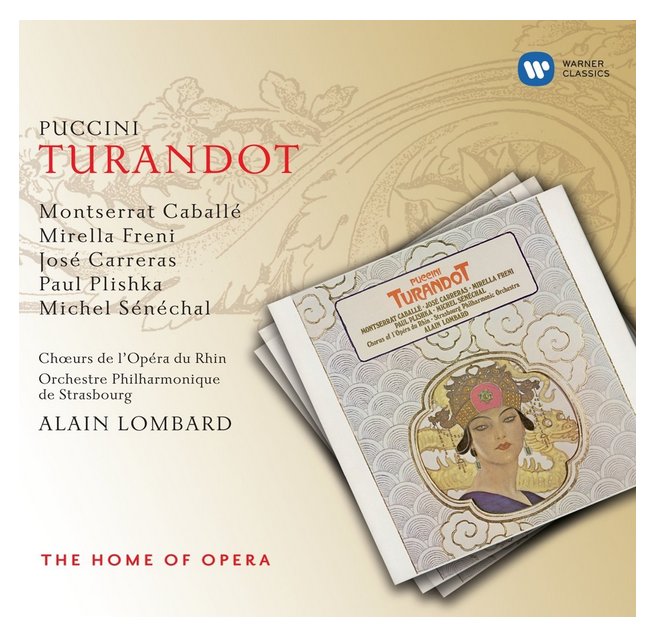
in 1967, followed by parts such as the Sacristan in Tosca and Benoit in La Bohème.At the Met, he became one of the company's leading basses, and has appeared in many other theaters, including the Teatro alla Scala (debut in La damnation de Faust, 1974) and the New York City Opera (I Puritani, 1981). He retired from the Metropolitan Opera after playing the Sacristan in Tosca, on the Saturday broadcast on January 28, 2012. He had performed at the Metropolitan Opera for forty-five years and in 1,642 performances, placing him at number ten on their official list of most-frequent performers, which dates back to the company's inception in 1883. There was a special tribute after Act I on stage, and on the air during the intermission. In 2016 he was invited back to the Metropolitan Opera for five post-retirement performances as Benoît and Alcindoro in La Bohème in April and May of that year, and 10 more in November, December, and January in the 2016/2017 season. He is a National Patron of Delta Omicron, an international professional music fraternity. He has also made many audio and video recordings, some of which are shown on this webpage. Paul Plishka's artistry was recognized in 1992 when he received the Pennsylvania Governor's Award for Excellence in the Arts and when, several years earlier, he was inducted into the Hall of Fame for Great American Opera Singers in a celebration at the Academy of Vocal Arts in Philadelphia. Despite all of this acclaim, Plishka's international artistic successes have been dampened by a life filled with personal tragedies. In 1984, Plishka's younger brother, Dr Peter Plishka, was found dead in his Bronx apartment with a self-inflicted stab wound. At the time, Dr Plishka, 33, was chief of children's services at the state-run Children's Psychiatric Center. In 1991, Plishka's son Jeffrey was accused of the murder and rape of Laura Ronning, a crime of which he was eventually acquitted in 2010. In 2004, Plishka's first wife, Judith Ann Plishka, Jeffrey's mother, died, according to an obituary in The New York Times. Plishka is currently married to Sharon Thomas, a former resident stage director at the Met. Another of Plishka's sons, Paul, Jr, also died, according to Pastor Protopresbyter Nestor Kowal of St Michael Ukrainian Orthodox Church in Scranton, Pennsylvania. Plishka has a third son, Nicolai. |
 PP:
There is always competition, but one of the biggest problems in opera today
is that there are so many opera houses, and so many performances, that there
aren’t enough really good singers to go around. So in that vein, how
can there be any bitter competition with so much work to be done?
PP:
There is always competition, but one of the biggest problems in opera today
is that there are so many opera houses, and so many performances, that there
aren’t enough really good singers to go around. So in that vein, how
can there be any bitter competition with so much work to be done?
 PP:
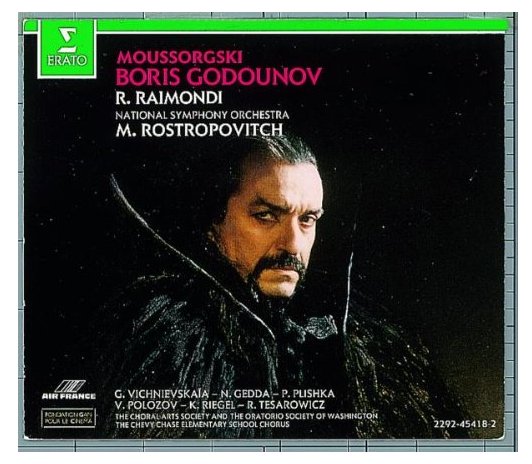
I’ve turned down Boris for the last fourteen years. I will do it, and
I’m looking into it now, but so far I’ve only done the two other bass roles,
Varlaam and Pimen. I’ll be doing them again this coming season at
the Met.
PP:
I’ve turned down Boris for the last fourteen years. I will do it, and
I’m looking into it now, but so far I’ve only done the two other bass roles,
Varlaam and Pimen. I’ll be doing them again this coming season at
the Met.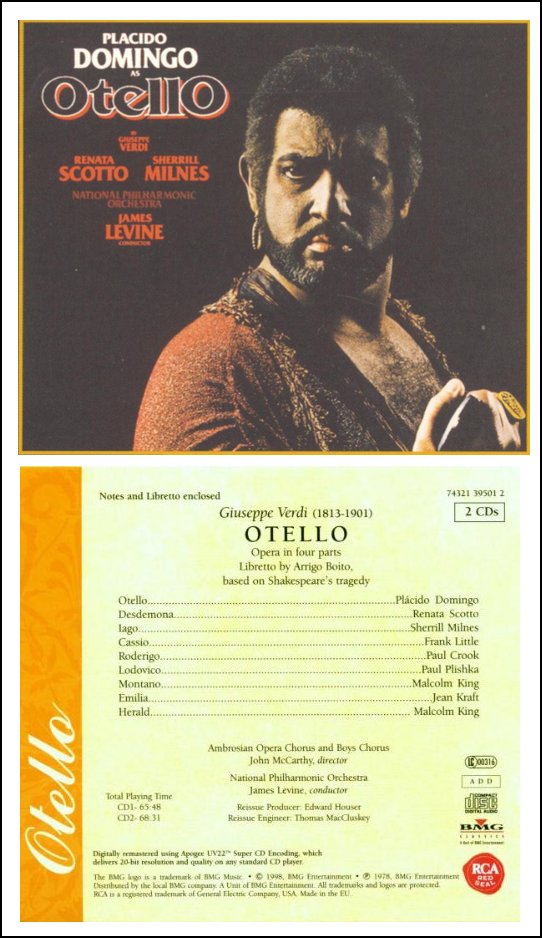 BD: Did you know it was going to be like that before
the performance?
BD: Did you know it was going to be like that before
the performance?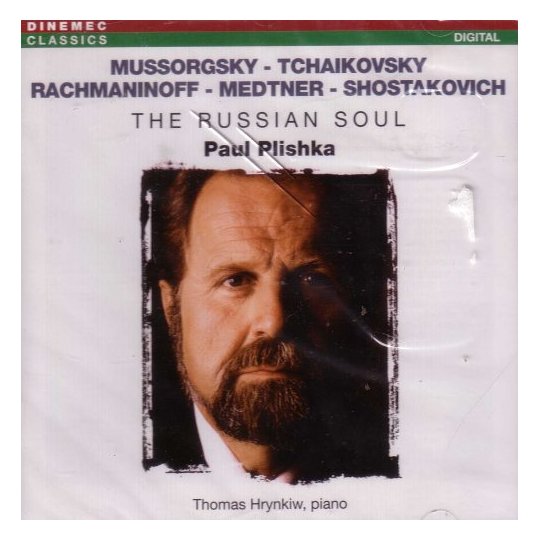 BD:
Does having your wife in the opera house affect you one or the other?
BD:
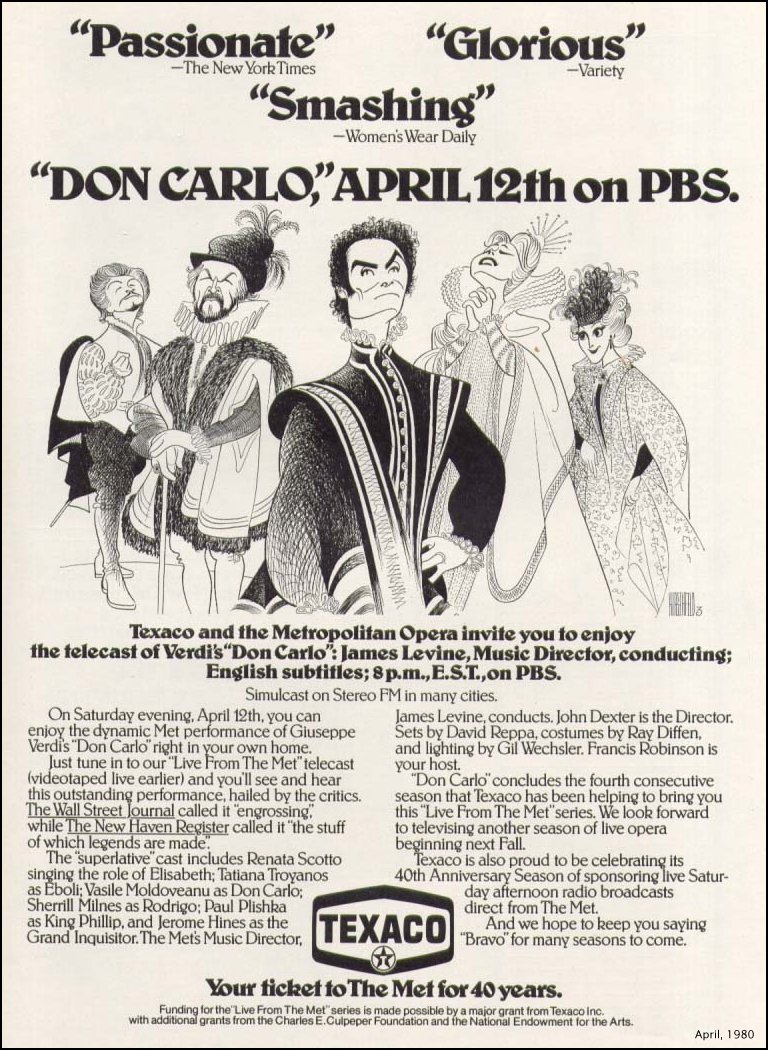
Does having your wife in the opera house affect you one or the other?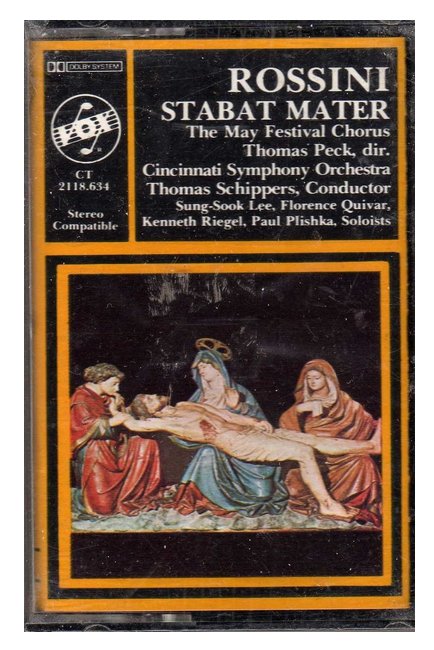 PP: I love most of the Verdi roles, especially Philip
II in Don Carlo, but not so much
Ramfis in Aïda because, again,
you don’t get to see much of him. He’s probably very much like Iago.
To be the High Priest, he must be involved with a lot of intrigue and juicy
scandal, but in the opera we don’t really get to see those interesting aspects
of him. Another character that could be great is Sparafucile in Rigoletto, but again there’s just not
enough of him. It’s a great bit, but not really good music to sing.
PP: I love most of the Verdi roles, especially Philip
II in Don Carlo, but not so much
Ramfis in Aïda because, again,
you don’t get to see much of him. He’s probably very much like Iago.
To be the High Priest, he must be involved with a lot of intrigue and juicy
scandal, but in the opera we don’t really get to see those interesting aspects
of him. Another character that could be great is Sparafucile in Rigoletto, but again there’s just not
enough of him. It’s a great bit, but not really good music to sing.
Paul Plishka at Lyric Opera of Chicago
1981 - Macbeth (Banco) with Cappuccilli, Barstow, Little, Kunde; Fischer, N. Merrill, Benois, Schuler (lighting for this,
and all subsequent productions)
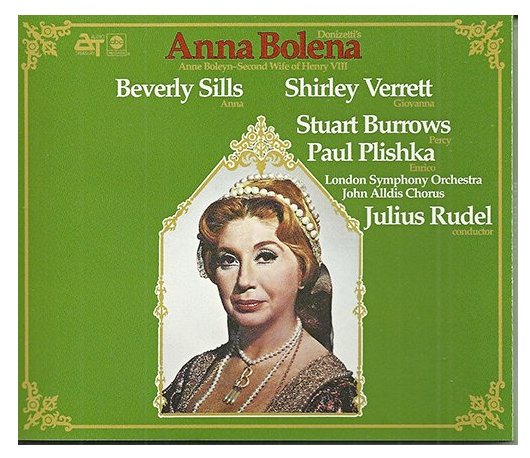
Fidelio (Rocco) with J. Meier/Marton, Vickers, Roar, Hynes, Hoback, Kavrakos/DelCarlo; Kuhn, Hotter, 1985-86 - Otello (Lodovico) with Domingo/Johns, M. Price, Milnes, Redmon, McCauley; Bartoletti, Diaz, Pizzi Samson [Handel] (Harapha) with Vickers, Shade, Howell, Anderson, Gordon; Rudel, Moshinsky, O'Brien, Tallchief Anna Bolena (Enrico) with Sutherland, Merritt, Toczyska, Zilio, Doss; Bonynge, Mansouri, Pascoe 1986-87 - Gioconda (Alvise) with Dimitrova, Ciannella, Welker, Milcheva, M. Dunn/Curry; Bartoletti, Crivelli, Brown, Tallchief 1991-92 - Puritani (Walton) with Anderson, Merritt, Coni, Maultsby; Renzetti, Sequi, Lee 1995-96 - Don Pasquale (Pasquale) with Swenson, Ford, Nolen/Benedetti; Olmi, Montarsolo, Conklin 1999-2000 - L'Elisir D'Amore (Dulcamara) with Futral/Swensen, Lopardo/LaScola, Lanza; Abel, Chazalettes/Liotta, Santicchi |
 PP: It’s very interesting. I was thinking about
this the other day. Years ago when I first started singing, I was asking
the questions about what I wanted to do. One of things I said was
that I needed to wait to do some of these more dynamic characters.
I tried to pace the career very carefully because there is a lot of vocal
danger, vocal traps, throughout a career. So I said I wouldn’t do things
like Boris Godunov, or Scarpia, or things like that until much later in
my career. I was going to spread it out to the younger bel canto where the voice and the character
really needs the beautiful instrument early on. Then later, when I
was in my middle-to-late-forties and fifties, I’d begin to do Boris and characters
like that, these real dramatic things that make shreds of the vocal cords.
Then after that I was going to see about character roles.
PP: It’s very interesting. I was thinking about
this the other day. Years ago when I first started singing, I was asking
the questions about what I wanted to do. One of things I said was
that I needed to wait to do some of these more dynamic characters.
I tried to pace the career very carefully because there is a lot of vocal
danger, vocal traps, throughout a career. So I said I wouldn’t do things
like Boris Godunov, or Scarpia, or things like that until much later in
my career. I was going to spread it out to the younger bel canto where the voice and the character
really needs the beautiful instrument early on. Then later, when I
was in my middle-to-late-forties and fifties, I’d begin to do Boris and characters
like that, these real dramatic things that make shreds of the vocal cords.
Then after that I was going to see about character roles.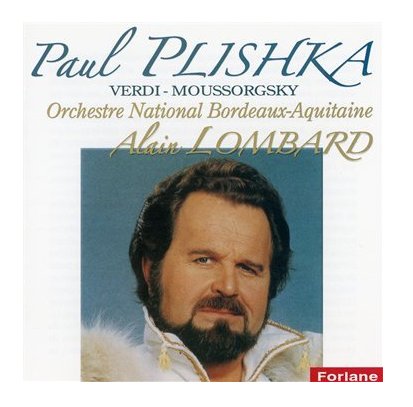 BD:
So even though in the end Pasquale gets duped, he’s an older, more mature
man?
BD:
So even though in the end Pasquale gets duped, he’s an older, more mature
man?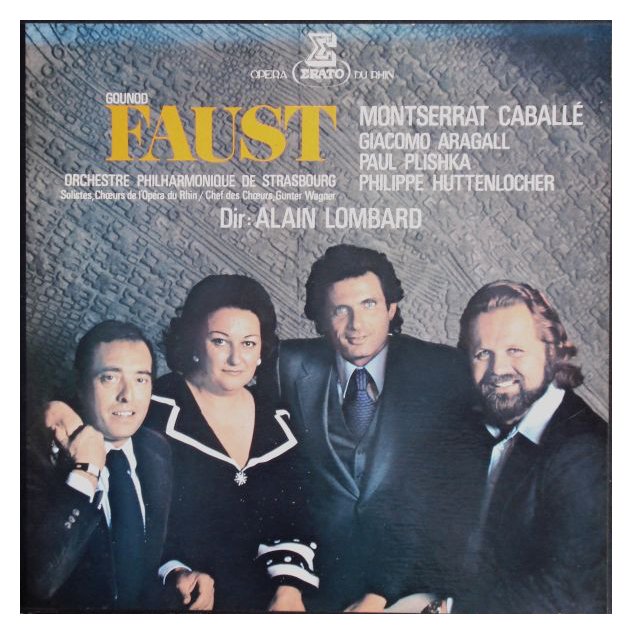 BD:
Tell me a little bit about playing the Devil!
BD:
Tell me a little bit about playing the Devil!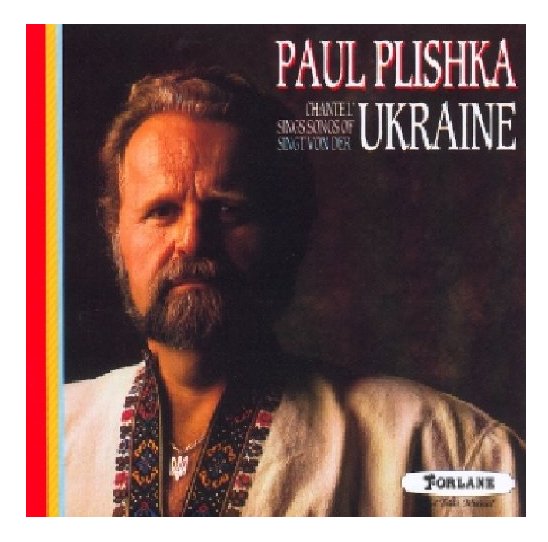 PP: I’m American, and my parents were born in the
United States. My grandparents came from Ukraine, and I did not have
this very strong Ukrainian connection. In the town I was born in Pennsylvania,
there were a lot of Ukraines and a lot of Poles, yet we all wanted to be
very American. It was a very American time in the late 40s and early
50s. There was no ethnic connection. Roots hadn’t happened yet. When
I did my first Pimen in Boris in
’72, I was approached by the Ukrainian community. They began introducing
me to my heritage. I was born in 1941, and my grandparents came from
Ukraine in 1910. So there was thirty-one years between the time they
left there and the time I was born. Genealogically, thirty-one years
is nothing, so basically it’s a Ukrainian physical body that I have.
It has to be hundreds of years before you become something else. [Later, as we were saying good-bye, he mentioned
that he would love to do the opera Taras Bulba by the Ukrainian composer Mykola Lysenko.
He mentioned that the Ukrainian Opera Company had given him the score, and
all of their members had signed it.]
PP: I’m American, and my parents were born in the
United States. My grandparents came from Ukraine, and I did not have
this very strong Ukrainian connection. In the town I was born in Pennsylvania,
there were a lot of Ukraines and a lot of Poles, yet we all wanted to be
very American. It was a very American time in the late 40s and early
50s. There was no ethnic connection. Roots hadn’t happened yet. When
I did my first Pimen in Boris in
’72, I was approached by the Ukrainian community. They began introducing
me to my heritage. I was born in 1941, and my grandparents came from
Ukraine in 1910. So there was thirty-one years between the time they
left there and the time I was born. Genealogically, thirty-one years
is nothing, so basically it’s a Ukrainian physical body that I have.
It has to be hundreds of years before you become something else. [Later, as we were saying good-bye, he mentioned
that he would love to do the opera Taras Bulba by the Ukrainian composer Mykola Lysenko.
He mentioned that the Ukrainian Opera Company had given him the score, and
all of their members had signed it.]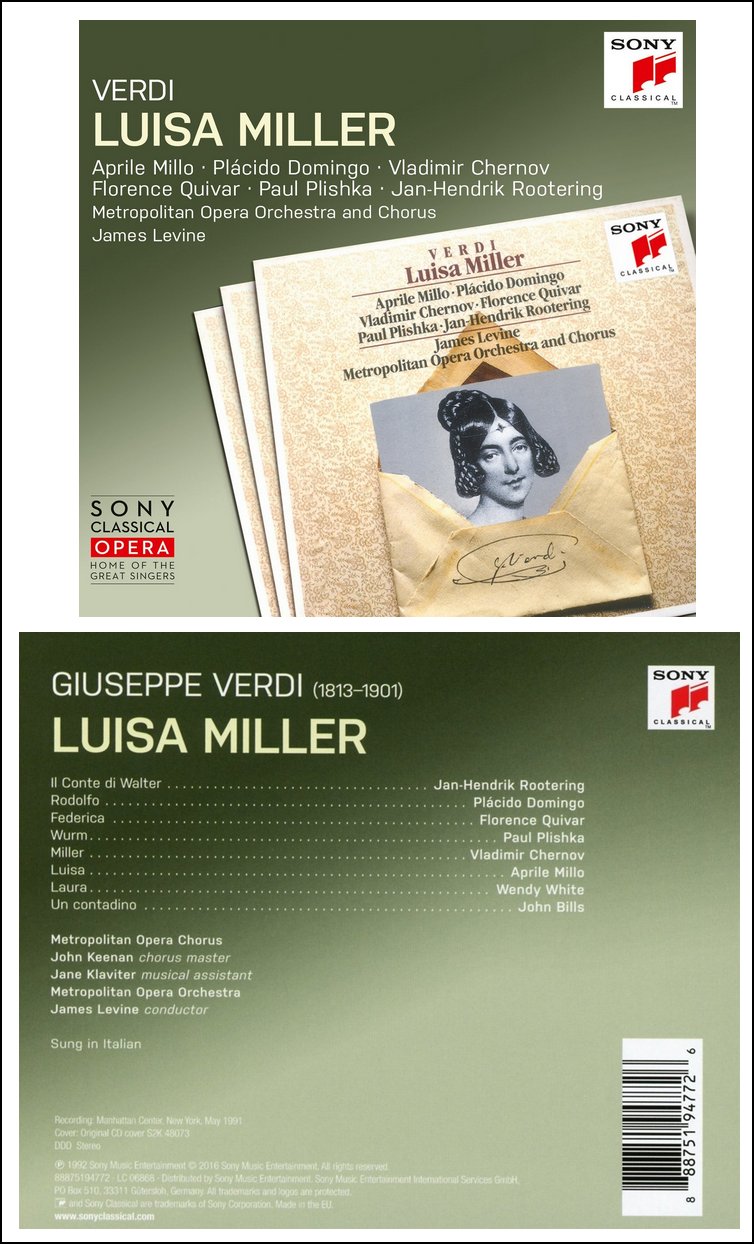
© 1981 & 1995 Bruce Duffie
These conversations were recorded in Chicago on November 24, 1981, and October 20, 1995. The first interview was transcribed and published in Opera Scene Magazine in August, 1982. Portions of the second interview were broadcast on WNIB two weeks after it was held, and again the following August. This transcription was made in 2017, and posted on this website at that time. My thanks to British soprano Una Barry for her help in preparing this website presentation.
To see a full list (with links) of interviews which have been transcribed and posted on this website, click here. To read my thoughts on editing these interviews for print, as well as a few other interesting observations, click here.
Award - winning broadcaster Bruce Duffie was with WNIB, Classical 97 in Chicago from 1975 until its final moment as a classical station in February of 2001. His interviews have also appeared in various magazines and journals since 1980, and he now continues his broadcast series on WNUR-FM, as well as on Contemporary Classical Internet Radio.
You are invited to visit his website for more information about his work, including selected transcripts of other interviews, plus a full list of his guests. He would also like to call your attention to the photos and information about his grandfather, who was a pioneer in the automotive field more than a century ago. You may also send him E-Mail with comments, questions and suggestions.